
Sciatica Pain Relief: Causes, Symptoms & Natural Treatments
What causes sciatica and how to relieve it naturally? Learn about sciatic nerve pain symptoms, self-care, stretches, and when to see a doctor.
Published November 12, 2025 · Updated September 24, 2026 · 5 min read
Mrjoint Editorial Team

If you've ever felt a sharp, shooting pain that starts in your lower back and radiates down through your buttock and leg, you've likely experienced sciatica. It's one of the most common — and most debilitating — forms of back pain, with a lifetime incidence reported between 10% and 40%.
The good news is that most cases of sciatica can be managed at home with the right combination of natural treatments. Here's everything you need to know.
What Is Sciatica?
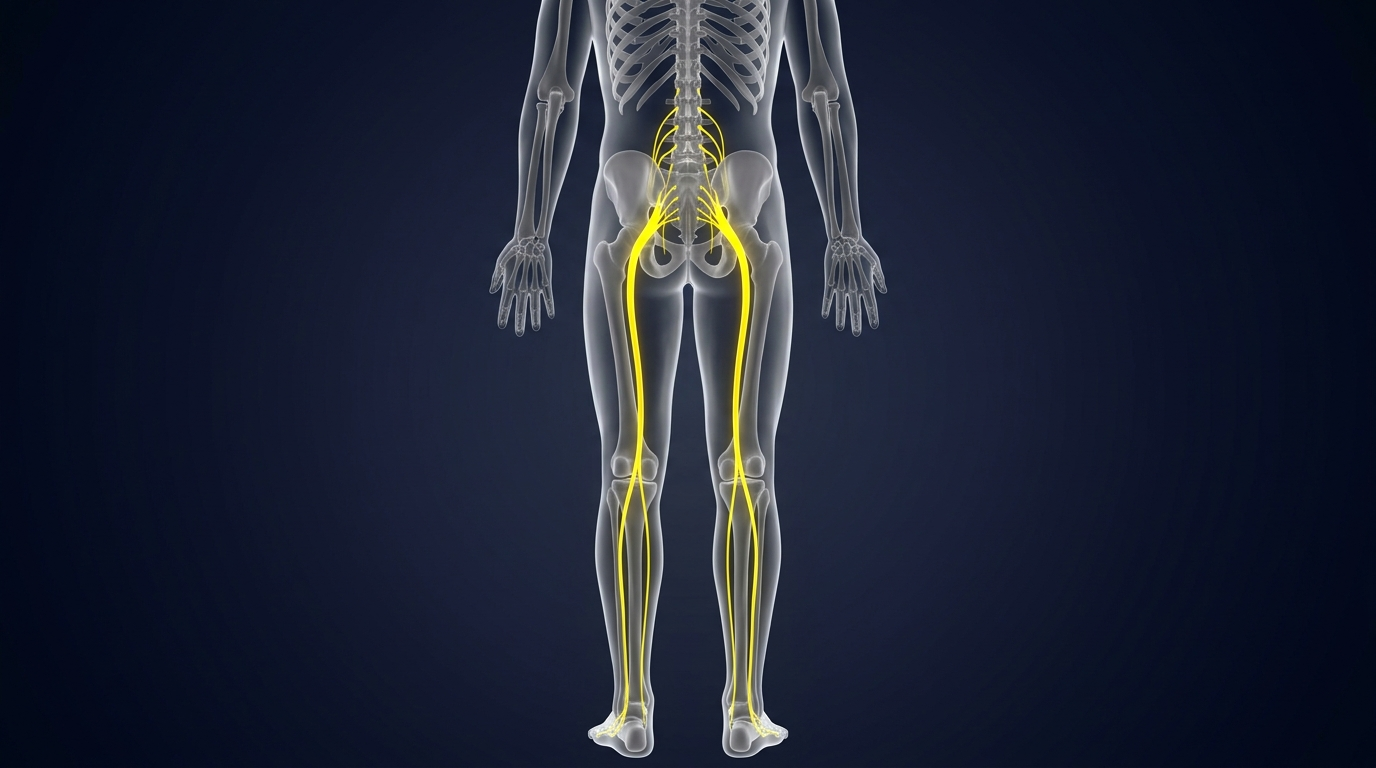
Sciatica isn't a diagnosis — it's a symptom. It describes pain that follows the path of the sciatic nerve, the longest nerve in your body, running from your lower spine through your hips, buttocks, and down each leg.
The pain occurs when something compresses or irritates the sciatic nerve, most commonly:
- Herniated disc — The most frequent cause. A bulging disc presses on nerve roots.
- Spinal stenosis — Narrowing of the spinal canal that squeezes nerves.
- Piriformis syndrome — The piriformis muscle in the buttock tightens and irritates the sciatic nerve.
- Degenerative disc disease — Age-related wear on spinal discs.
- Spondylolisthesis — A vertebra slips forward over the one below it.
Recognizing Sciatica Symptoms

Sciatica pain is distinct from general back pain. Key symptoms include:
- Shooting or burning pain from the lower back down one leg (rarely both)
- Numbness or tingling in the leg or foot
- Muscle weakness in the affected leg
- Pain that worsens when sitting, coughing, or sneezing
- A "pins and needles" sensation in the toes or foot
- Difficulty standing up or walking
The severity can range from a mild ache to excruciating pain that makes it impossible to stand.
6 Natural Treatments for Sciatica Relief
1. Topical Warming Patches
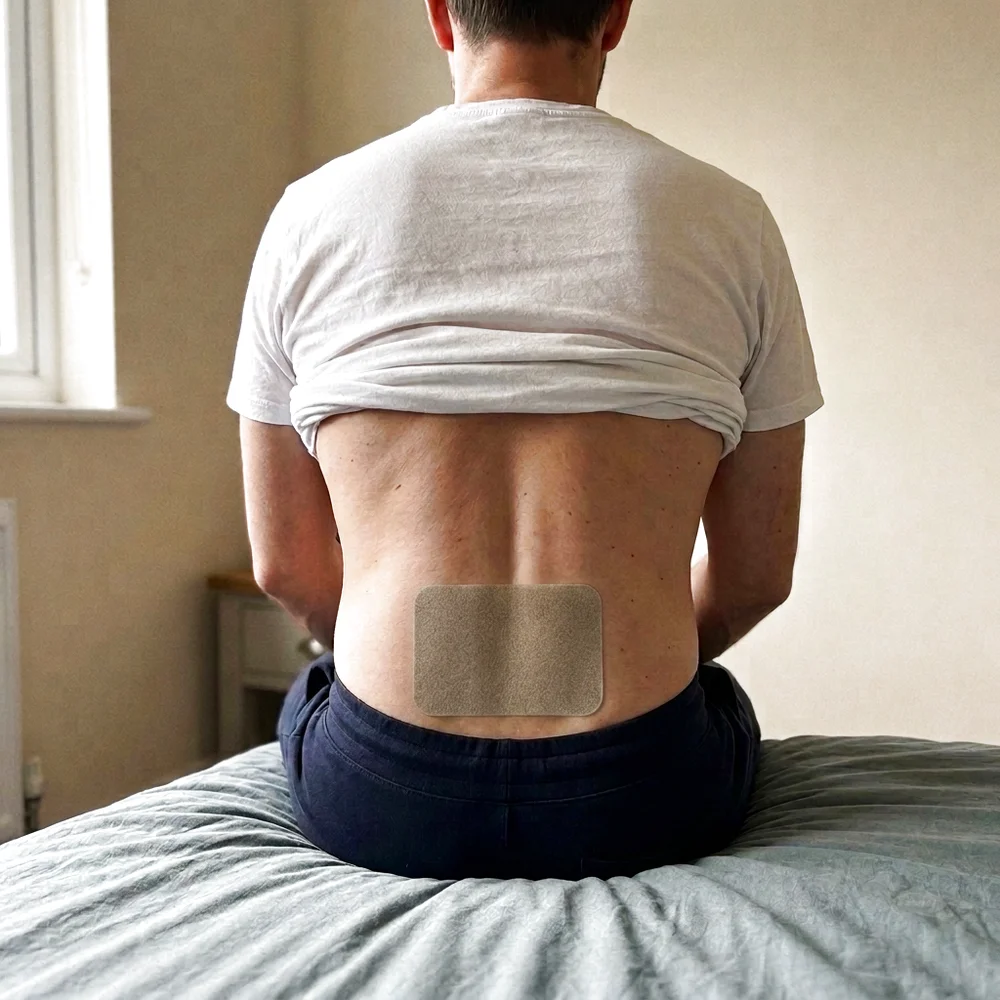
A topical patch won't treat sciatica or take pressure off a nerve. What a warming patch can do is give a warming sensation over tight lower-back or buttock muscles, which some people find soothing for minor muscle aches while they work on the other steps below. Results vary.
If you try one, don't put it on broken skin or on areas where your skin feels numb (you may not notice if it gets irritated), and remove it if your skin reacts. Patches are not a substitute for having sciatica assessed by a doctor.
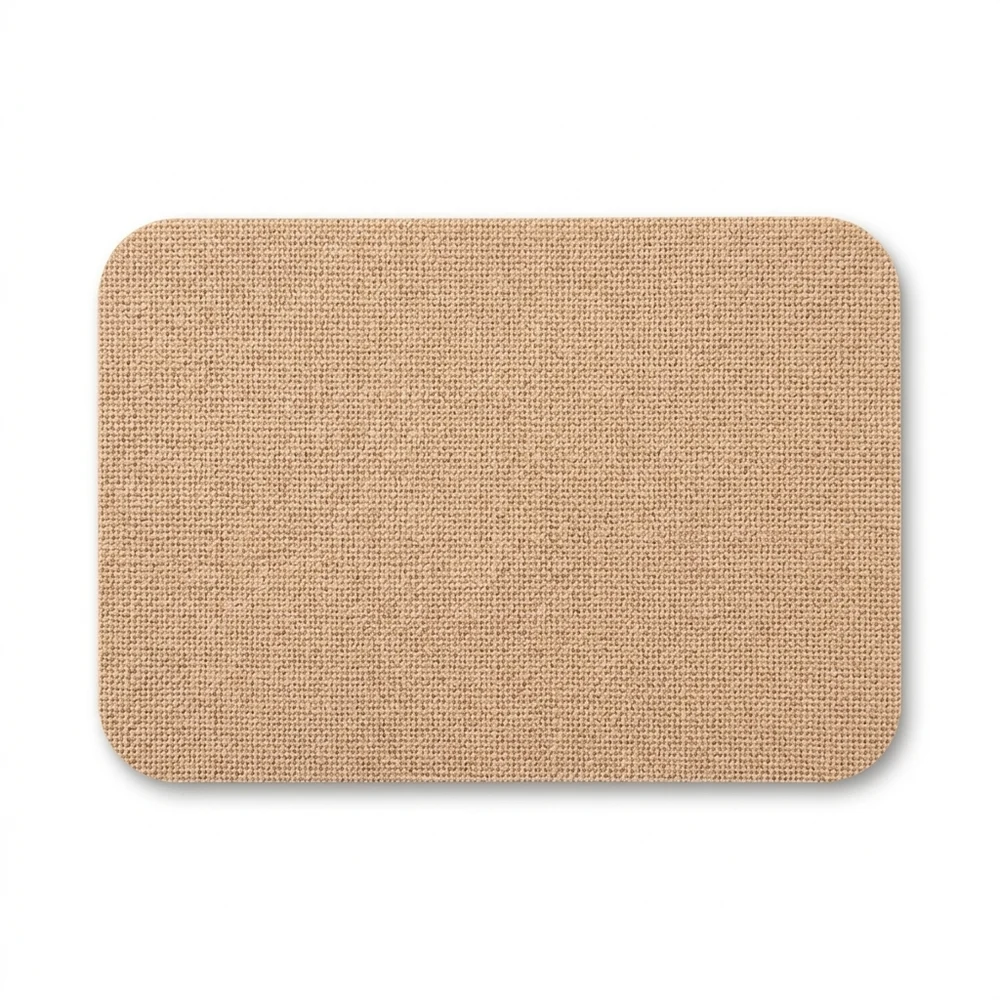 Mentioned in this articleMrjoint Back Pain PatchesFrom $34.99View Details →
2. Targeted Stretches for Sciatic Nerve Relief

Stretching can relieve pressure on the sciatic nerve by loosening the muscles surrounding it. Try these daily:
Piriformis stretch:
- Lie on your back with both knees bent
- Cross the affected leg over the other knee
- Pull the bottom knee toward your chest
- Hold for 30 seconds, repeat 3 times
Seated spinal twist:
- Sit on the floor with legs extended
- Bend one knee and cross it over the other leg
- Twist your torso toward the bent knee
- Hold for 20 seconds each side
Standing hamstring stretch:
- Place one foot on a low step or chair
- Keep the leg straight and lean forward from the hips
- Hold for 30 seconds, switch legs
Important: Stretch gently — never push through sharp pain. The goal is a gentle pull, not discomfort.
3. Heat and Cold Alternation
For acute sciatica flare-ups, alternating between cold and heat can be remarkably effective:
- First 48 hours: Apply ice packs to the lower back for 20 minutes, several times a day. This reduces inflammation around the nerve.
- After 48 hours: Switch to a heating pad to relax tight muscles and increase blood flow.
- Ongoing: Many people find alternating 15 minutes cold / 15 minutes hot provides the best relief.
4. Walking (Yes, Really)

It might seem counterintuitive, but walking is one of the best things you can do for sciatica. Gentle walking:
- Promotes blood flow to the affected area
- Releases endorphins (natural pain relievers)
- Prevents muscle stiffness from inactivity
- Keeps spinal discs hydrated and flexible
Start with short, flat walks (10–15 minutes) and gradually increase as pain allows. Avoid hills and uneven terrain initially.
5. Anti-Inflammatory Diet
Chronic inflammation worsens sciatic nerve irritation. Incorporating these foods can help:
- Omega-3 rich fish (salmon, mackerel) — reduces systemic inflammation
- Turmeric and ginger — natural COX-2 inhibitors
- Dark leafy greens — rich in antioxidants
- Nuts and seeds — contain vitamin E and healthy fats
- Berries — packed with anti-inflammatory anthocyanins
Reducing processed foods, sugar, and alcohol is equally important, as these fuel inflammation.
6. Sleep Position Adjustment
Sciatica often worsens at night. Optimize your sleep position:
- Best position: Sleep on your side with a pillow between your knees. This keeps your pelvis level and reduces pressure on the sciatic nerve.
- If you prefer your back: Place a pillow under your knees to maintain spinal alignment.
- Avoid: Sleeping on your stomach, which forces your spine into an unnatural arch.
When to See a Doctor
Seek medical attention if you experience:
- Sciatica lasting more than 6 weeks despite home treatment
- Progressive muscle weakness in the leg
- Loss of bladder or bowel control (emergency — go to the ER)
- Pain after a severe injury or fall
- Pain that is getting significantly worse despite rest
Most sciatica resolves within 4–6 weeks with conservative treatment. However, severe cases may require physical therapy, injections, or in rare cases, surgery.
Building a Complete Sciatica Management Plan
The most effective approach combines multiple strategies:
- Use heat or cold on your lower back when it helps
- Do sciatic nerve stretches for 10–15 minutes each morning
- Walk for 15–30 minutes daily
- Eat an anti-inflammatory diet
- Optimize your sleep position with proper pillow support
Many people notice improvement within a few weeks, but if you don't, or if any warning signs appear, see a doctor.
Related Articles
- 7 Natural Ways to Relieve Lower Back Pain at Home – Additional home remedies for your lower back.
- The Best Back Pain Patches: A Natural, Pill-Free Buying Guide – Compare back pain patch options.
- 10 Strengthening Exercises To Prevent Knee Pain – Strengthen your lower body for overall joint health.


