
10 Strengthening Exercises To Prevent Knee Pain
Strong muscles protect your knees from pain and injury. Here are 10 knee-strengthening exercises you can do at home with no equipment — no gym required.
Published November 1, 2022 · Updated September 24, 2026 · 7 min read
Mrjoint Editorial Team
Your knees take a beating every day — walking, climbing stairs, standing, exercising — and the joint is one of the easiest to injure. The good news is that strong muscles around the knee act like a natural brace: they take pressure off the joint and lower your risk of pain and injury. Building that support is one of the most effective ways to keep your knees healthy, and research on knee osteoarthritis backs strengthening as a first-line approach.
The best part is that you don't need a gym. Every exercise below uses just your body weight and a chair or step, so you can do them at home — whether you run, spend all day on your feet, or simply want to protect your knees as you get older.
One quick note before you start: these moves are for prevention and general strengthening. If you already have knee pain, a recent injury, or an ongoing medical condition, check with a doctor or physiotherapist first — and stop any exercise that causes sharp pain.
It helps to include exercises that work one leg at a time. Most everyday movement — walking, climbing stairs, rising from a chair — happens on a single leg, so training each side individually builds the balance and stability your knees rely on. And don't focus on the quads alone: bring the glutes and hamstrings into the work so your whole lower body shares the load.
Contents
- Wall Sits
- Forward Lunges
- Side Lunges
- Reverse Lunge
- Controlled Sits
- Single Leg Squats
- Step-ups
- Single-leg Romanian Deadlifts
- Bridges
- Hip Thrusts
Wall Sits
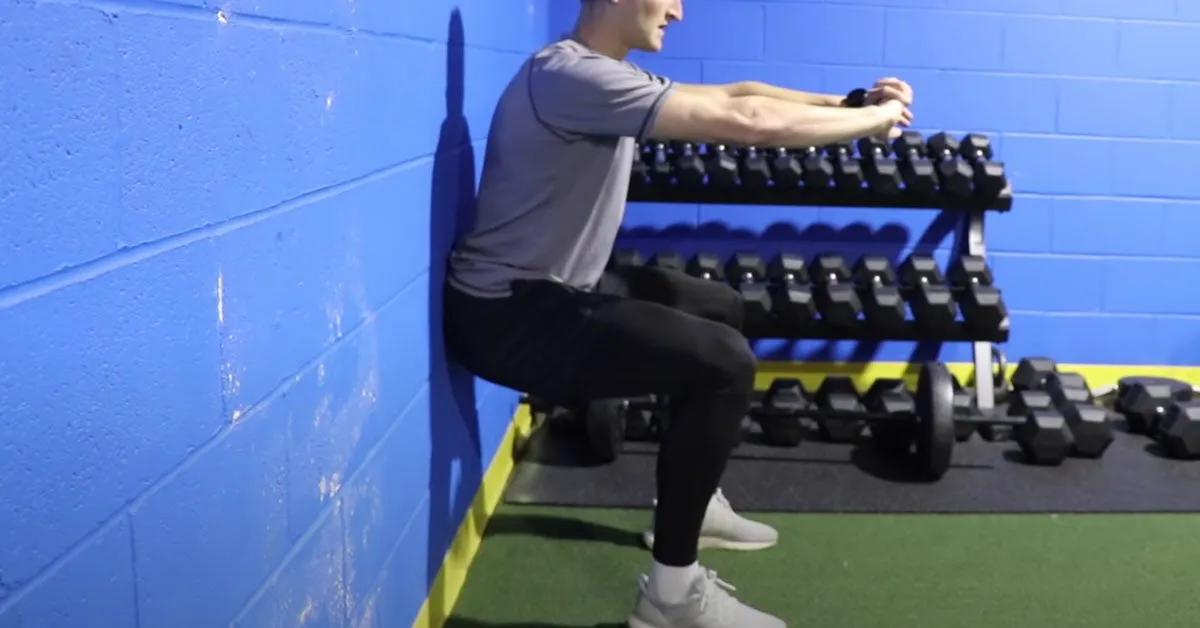
We'll start with the wall sit, a simple isometric hold that builds endurance in the muscles supporting the knee.
- Stand with your back flat against a wall for stability.
- Slide down into a seated position, keeping the angle just above 90 degrees so you don't put too much stress on the knee joint.
- Start with 20 seconds and build up toward a minute as you get stronger.
- Repeat 3 times, increasing the hold as your legs adapt.
You're working the muscles isometrically — holding them under tension without movement — which gradually strengthens the muscle fibres that stabilise the knee.
Forward Lunges
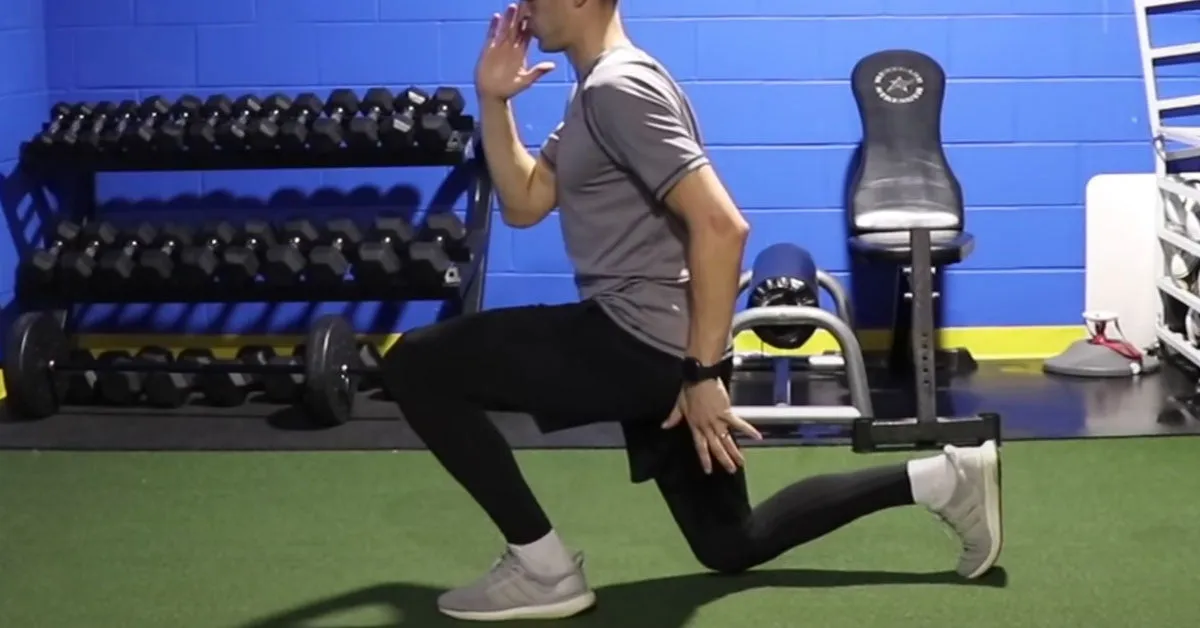
The forward lunge trains the quads and hamstrings while adding a balance challenge.
- Step forward and bend both knees to about 90 degrees, keeping your back and chest upright.
- Let your arms move in sync with your legs — as the left leg steps forward, the right arm comes up, and vice versa.
- Do 10 reps on each leg, rest for about 20 seconds, then repeat for 3 sets.
The slight wobble you feel is your stabilising muscles switching on, which is exactly what protects the knee during everyday movement.
Side Lunges
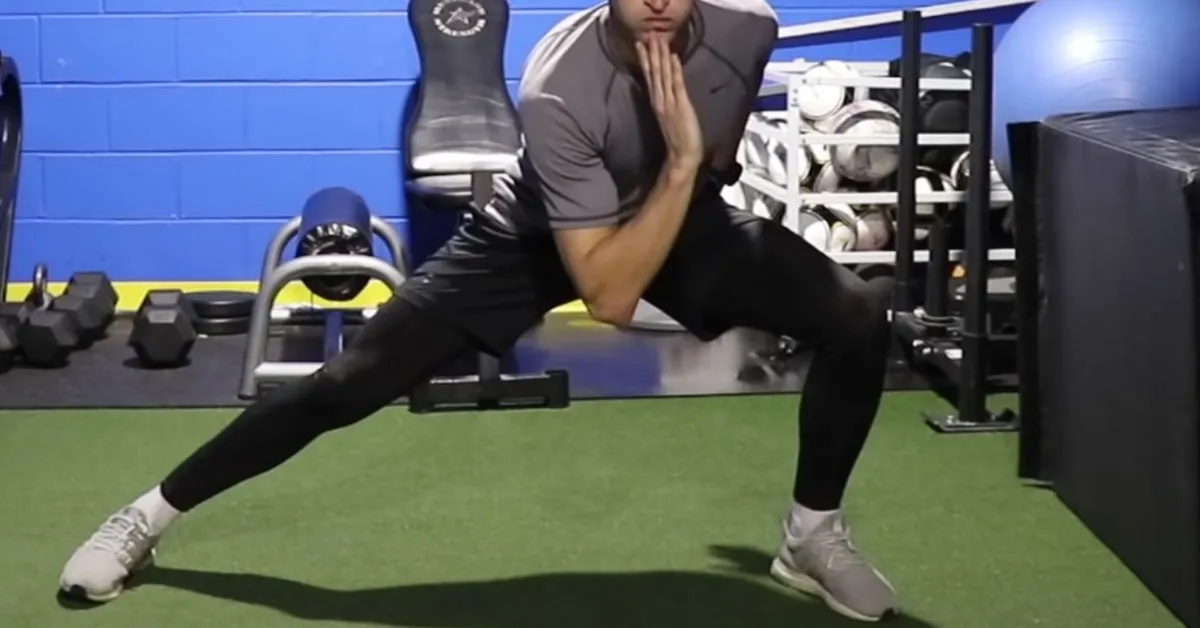
We don't only move forward and back — a lot of daily movement happens side to side, so your knees need to be strong in every direction.
- Stand tall, then step out to one side and bend that knee while keeping the other leg straight.
- Push back to the centre and repeat to the other side.
- Do 10 reps in each direction and repeat for 3 sets.
Moving laterally recruits slightly different muscle fibres than moving in a straight line, which helps your knees handle real-world, multi-directional movement.
Reverse Lunge
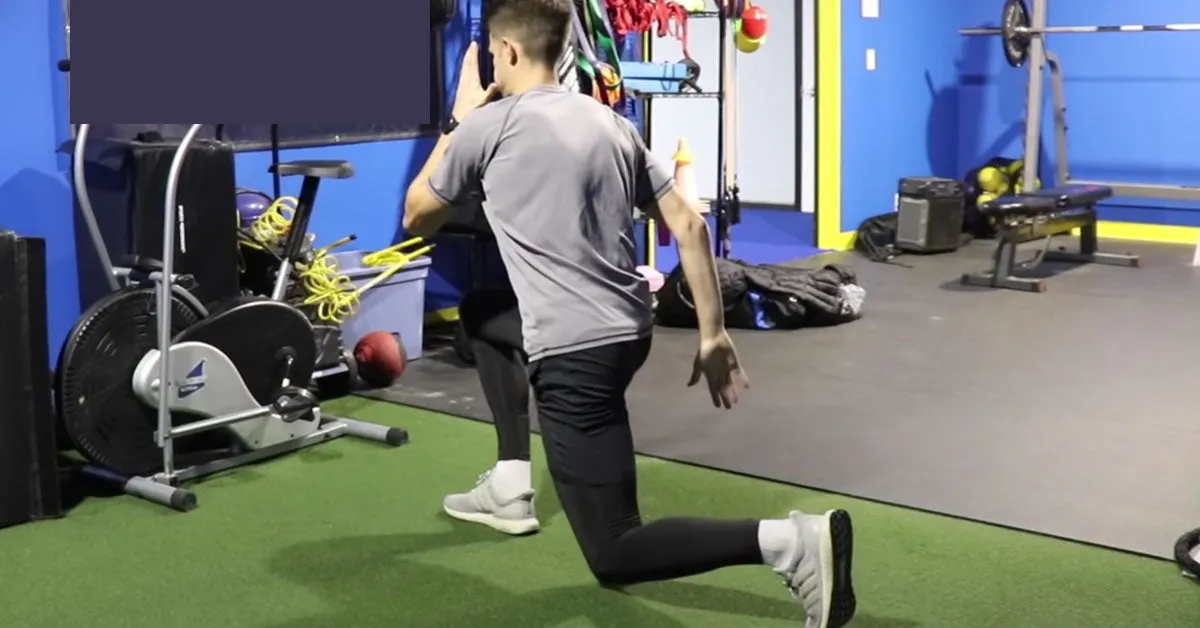
The reverse lunge is gentler on the knees than the forward version, making it a good option if forward lunges feel like too much.
- Step one foot behind you and lower both knees to about a 90-degree angle.
- Keep your arms moving in sync with your legs for balance and good movement habits.
- Do 10 reps on each leg for 3 sets, resting 20–30 seconds between sets.
Grooving that arm-and-leg coordination also carries over to a smoother, more efficient running and walking technique.
Controlled Sits
This one mimics sitting down and standing up — a movement your knees do dozens of times a day.
- Use a chair or sofa as a target behind you.
- Lower under control until your knees reach about 90 degrees and you just touch the seat.
- Stand straight back up without dropping onto the chair.
- Aim for 10 reps in total.
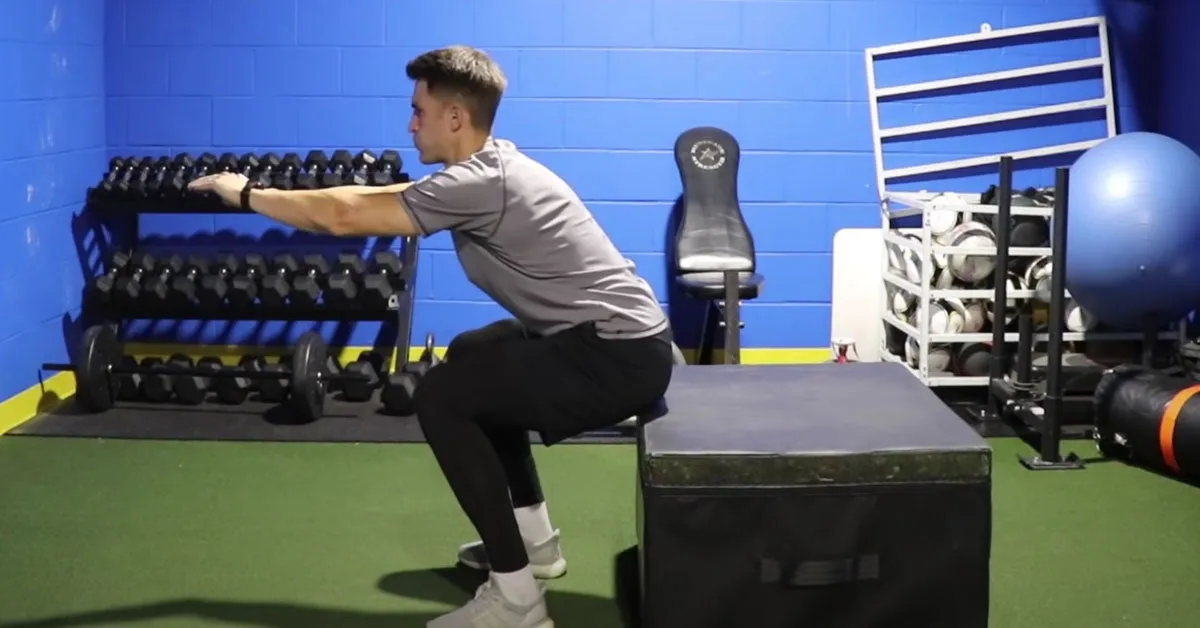
To make it harder, try it on a single leg. Working one side at a time builds the balance and stability that protect the knee — useful for anyone who spends a lot of time on one leg, from runners to people on their feet all day.
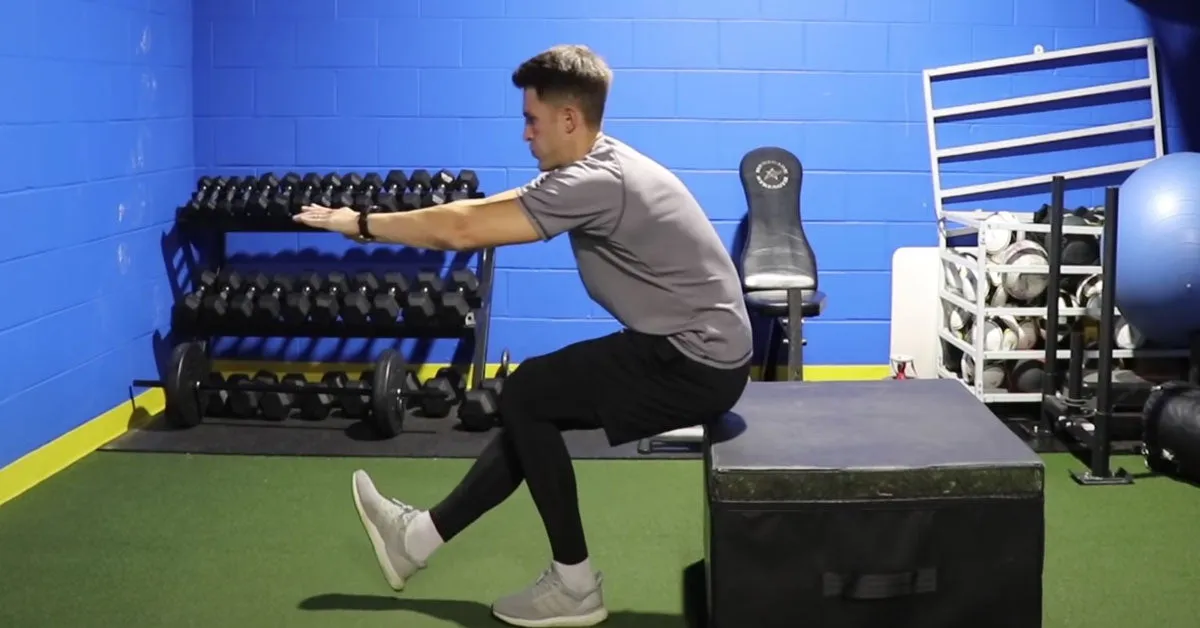
Single Leg Squats
The single-leg squat puts the full load on one leg, building strength and control where you need it most.
- Rest your back foot on a low platform behind you so the front leg does the work.
- Squat down under control until your front knee reaches about 90 degrees — no deeper, as going further adds a lot of stress to the knee.
- Use your arms in sync with your legs to help with balance.
- Keep your back straight and chest upright throughout.
- Do 10 reps on each leg for 3 sets.
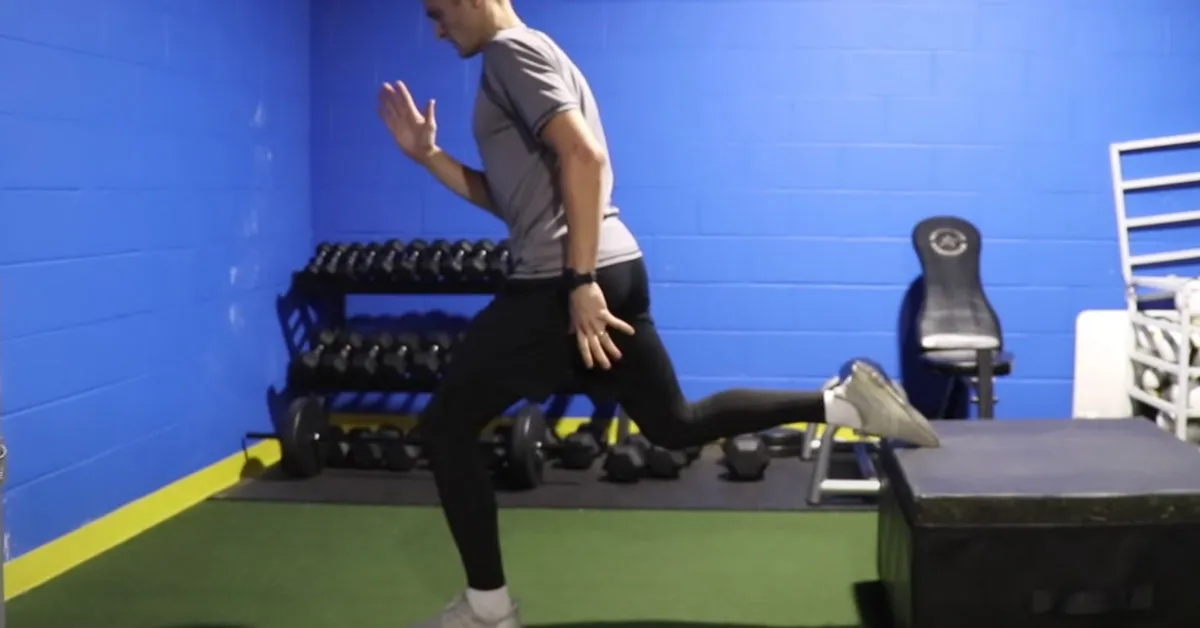
Step-ups
Step-ups train the same stepping motion you use on stairs every day, so the carry-over to real life is direct.
- Step up onto a platform with as much control as possible — at home, a sturdy chair, a sofa, or the bottom stair all work.
- Keep the platform low enough that your knee doesn't bend past 90 degrees.
- Lift with your front leg and don't push off with your back foot.
- Let the leg muscles do the work rather than using momentum.
- Do 10 reps on each leg for 3 sets.
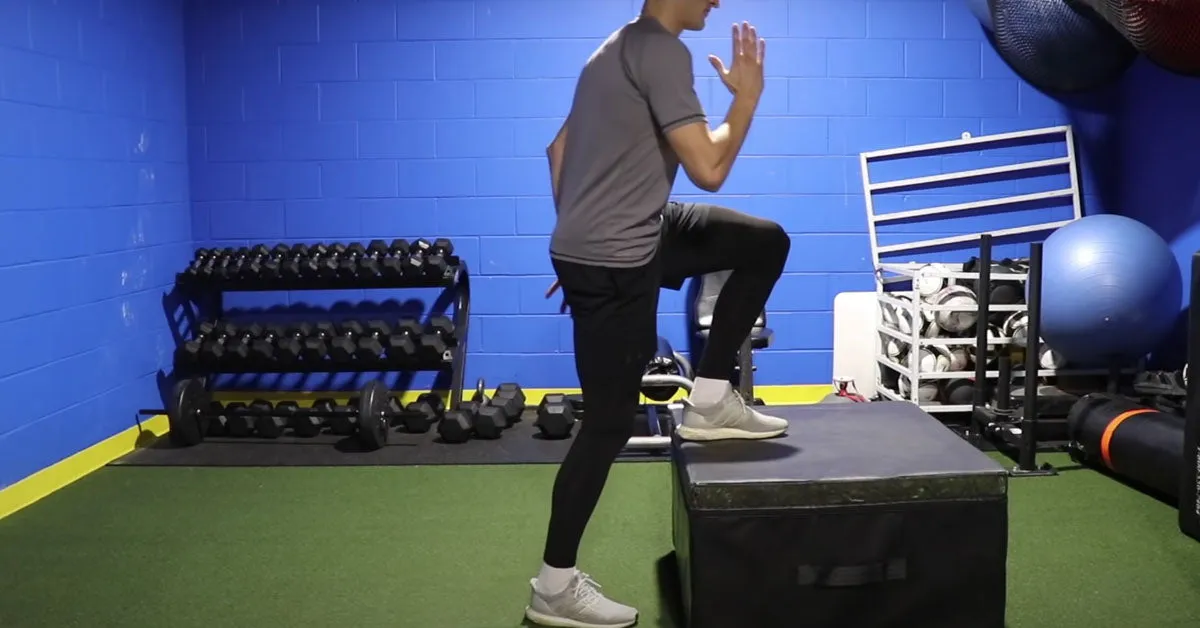
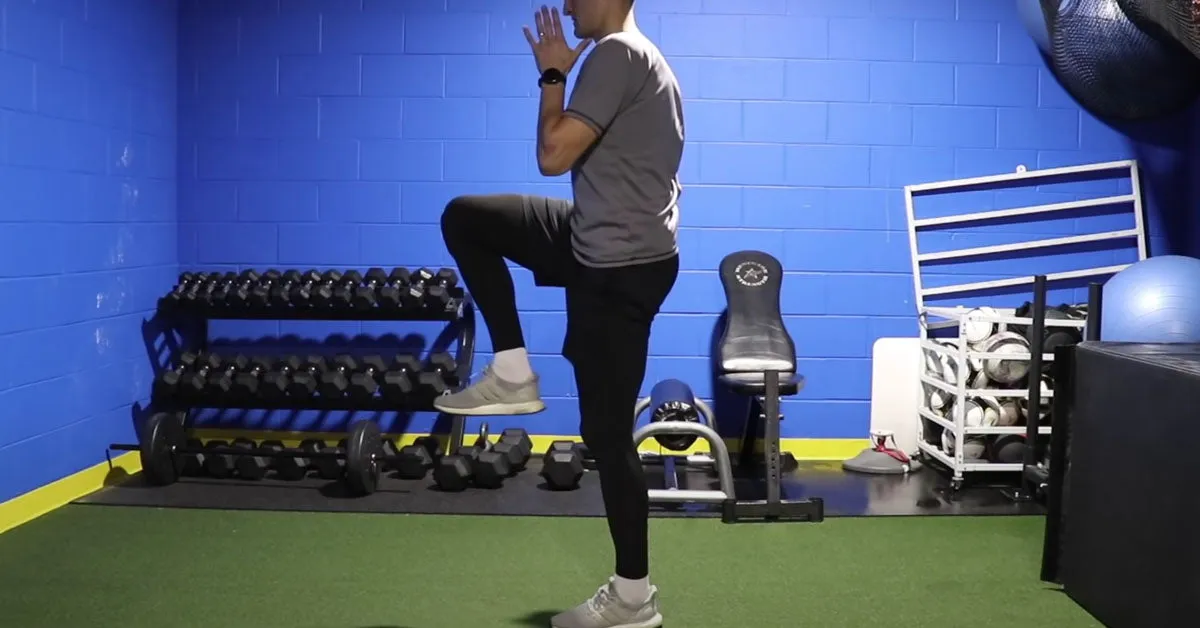
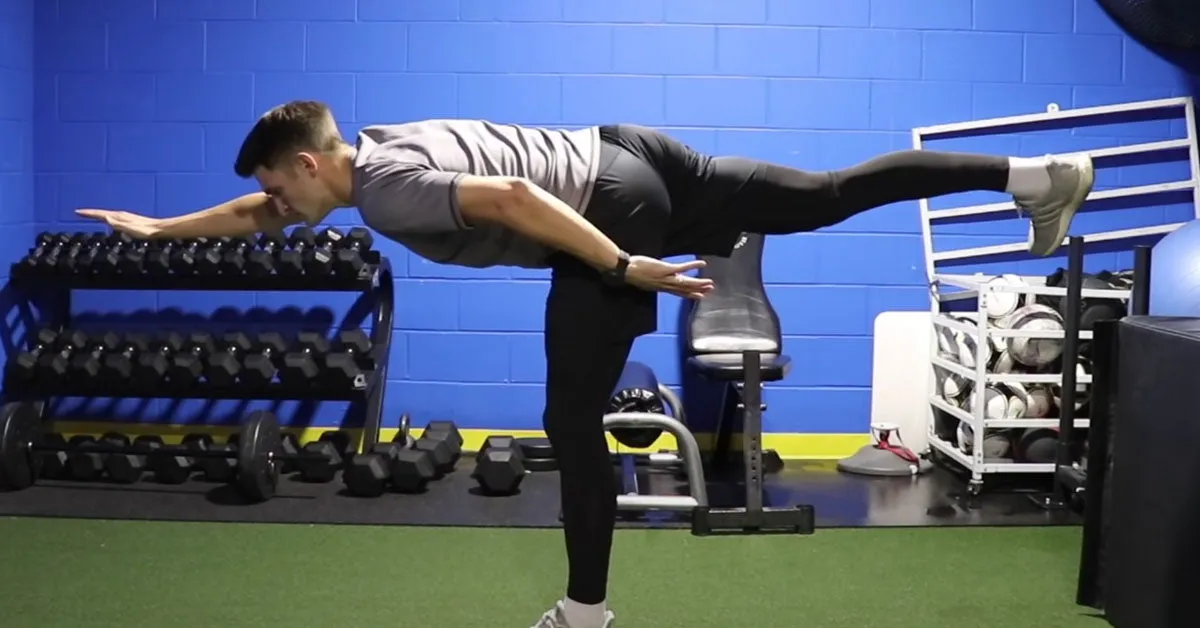
Single-leg Romanian Deadlifts
This move demands balance, so don't worry if it feels shaky at first — it gets easier the more you practise.
- Drive one knee up so it points forward at about 90 degrees.
- Hinge forward from the hip and extend that same leg straight out behind you.
- Reach the opposite arm forward to counterbalance, keeping everything moving in sync.
- Do 10 reps on each leg for 3 sets.
You'll feel this most in the hamstrings, but every muscle in the leg works to stabilise you — which makes it one of the best exercises for protecting both the knee and the ankle.
Bridges
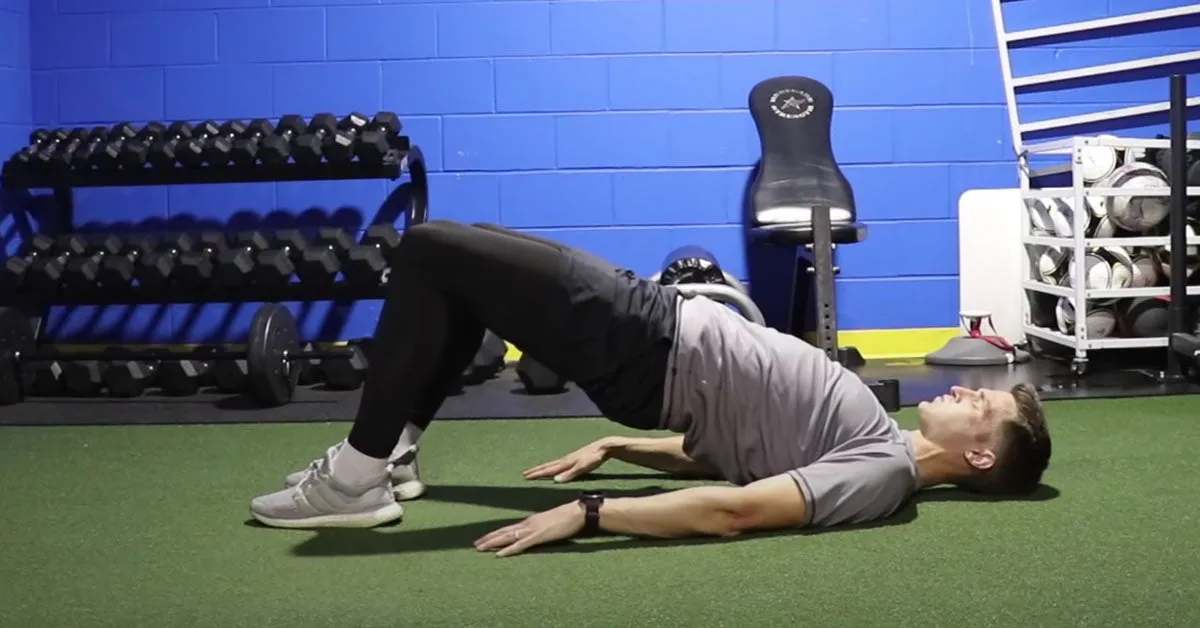
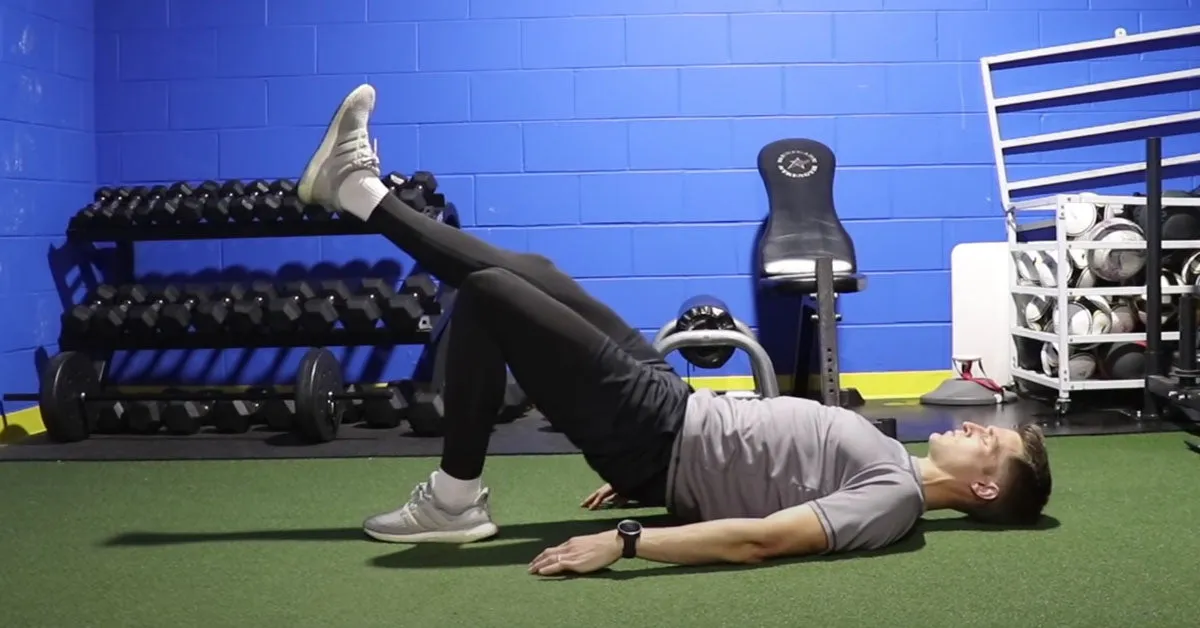
The bridge strengthens the hamstrings and glutes — key supporting muscles for the knee — without putting any load through the joint itself.
- Lie on your back with your knees bent, keeping them under 90 degrees.
- Extend your hips up until your body forms a straight line.
- Hold the position to work the hamstrings isometrically.
- For more of a challenge, lift one leg and hold on a single side.
- Hold for 20–30 seconds and repeat 3 times on each side.
Hip Thrusts
The hip thrust is the moving version of the bridge, adding power to those same supporting muscles.
- Start in the same position you used for the bridge.
- Thrust your hips up, then lower them slowly with complete control to fully activate the muscles.
- For more of a challenge, do it one leg at a time to add balance and stability.
- Aim for 10 reps, rest 20–30 seconds, and repeat 3 times.
That's all 10 exercises, and you can do them almost anywhere — a bench, a chair, or the bottom of your stairs is all the equipment you need.
When you're ready to progress, you can add weight to make the exercises harder. Start with body weight, though, until those muscles are strong and your balance is solid, then build up gradually.
Additional Support for Your Knees
Strengthening exercises are the foundation for preventing knee pain, but a little extra support can help while those muscles get stronger. The herbal knee pain relief patch from Mrjoint is a herbal patch for temporary relief of minor knee aches, with a warming sensation — something some people like on tender days.
If you want added stability during workouts or a long day on your feet, the Mrjoint Patella Knee Brace adds support and compression while you move. As always, these are tools for mild, everyday discomfort — see a doctor if your knee pain is severe or persistent.


