
The Best Back Pain Patches: A Natural, Pill-Free Buying Guide (2026)
How herbal back pain patches work, how they compare with creams and heat packs, and what to check before you buy.
Published March 1, 2023 · Updated September 24, 2026 · 8 min read
Mrjoint Editorial Team
If back pain has ever made it hard to sit at your desk, sleep through the night, or get through a workout, you already know how much you want it gone — without leaning on pills. Back pain patches have become a popular pill-free option for minor aches, but they are not all the same. Herbal patches use plant ingredients that mainly produce a warming or cooling sensation, and they differ in size, wear time and how well they stay on. This guide explains how the different types work, how herbal patches compare with creams and heat packs, and what to check before you buy.
Contents
- Do Back Pain Patches Actually Work?
- Herbal Patches vs Creams and Heat Packs
- What to Look for in the Best Back Pain Patch
- How Herbal Back Pain Patches Work
- The Best Back Pain Patches by Type of Pain
- How to Use a Back Pain Patch Safely
- Our Top Natural Back Pain Patches
- Frequently Asked Questions
Do Back Pain Patches Actually Work?
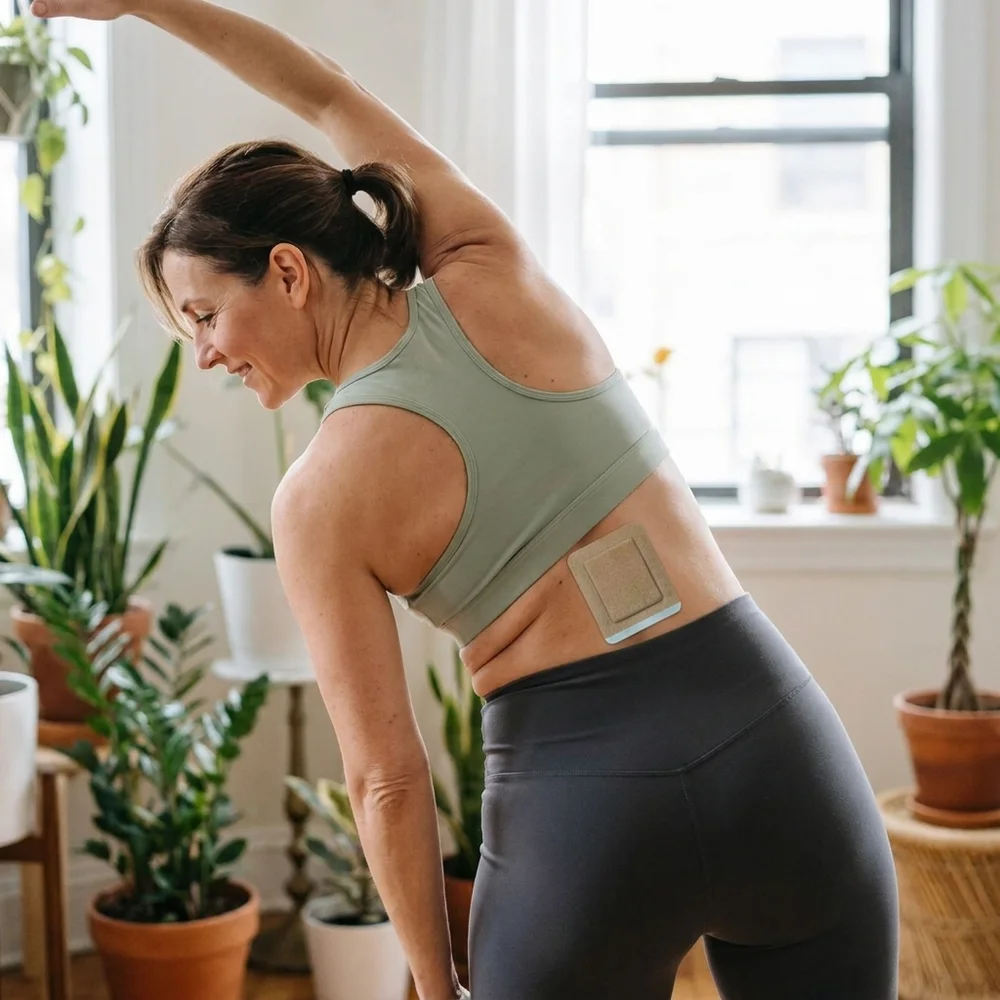
They can help with minor aches. Herbal patches mostly work by counter-irritation — a warming or cooling sensation on the skin that can make an ache less noticeable. The patch sits where it hurts, although some ingredients can still be absorbed through the skin.
How well a patch works depends on what is in it and the kind of pain you have. Patches are meant for minor, localized aches — tired muscles, stiffness after sitting, everyday soreness — not for pain caused by serious structural problems. Finished herbal patches have little clinical research behind them. With a herbal patch you may feel a warming sensation within 30 to 90 minutes; results vary.
Herbal Patches vs Creams and Heat Packs
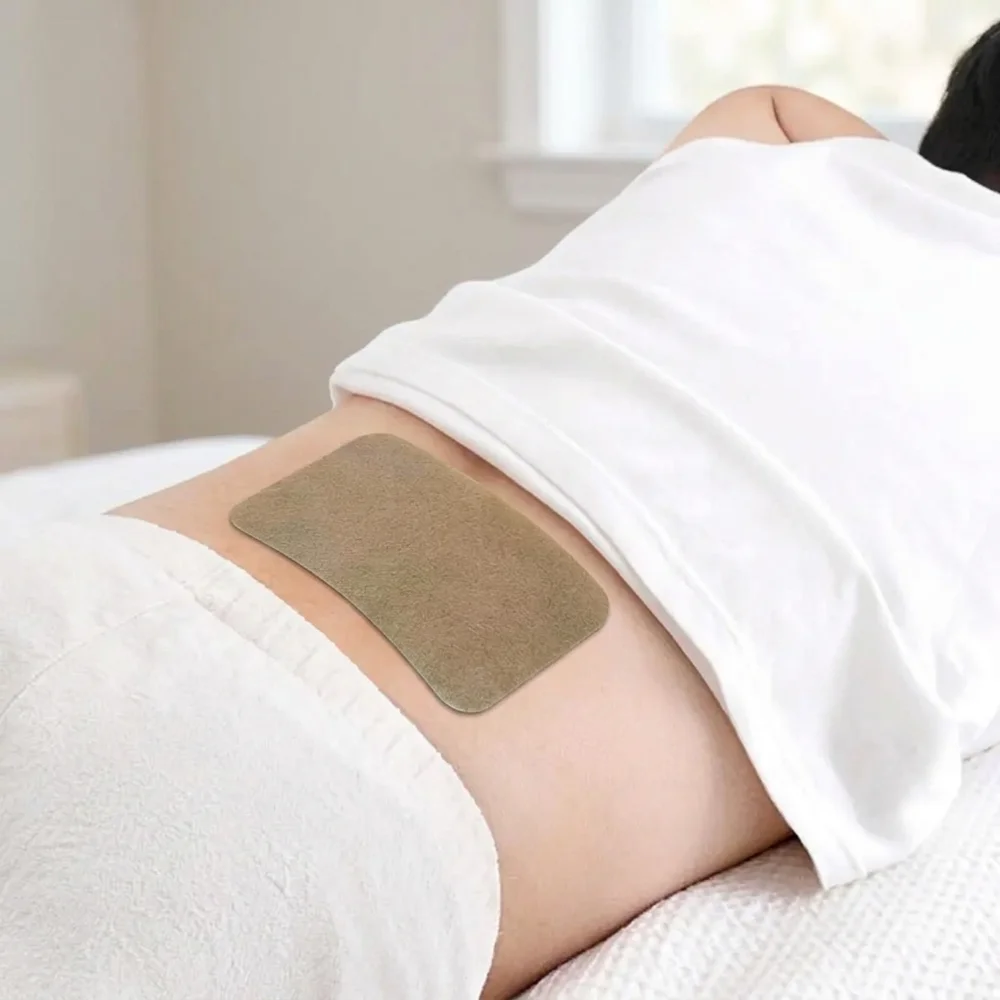
Patches are one of several things people reach for when their back aches. Here is how they compare with two other common home options.
Herbal patches use plant-based ingredients — such as mugwort, safflower oil, and other traditional botanicals — that mainly create a warming or cooling sensation where the patch sits. One patch stays on for hours, so there is nothing to reapply. They are not free of side effects: skin irritation is common, and some ingredients can be absorbed through the skin.
Creams and gels are rubbed into the sore area. They are easy to spread over a larger area, but they usually need reapplying every few hours and can rub off on clothing.
Heat packs give strong, pleasant warmth but cool down within an hour or so, and they are hard to keep in place while you move or sleep.
| Herbal Patches | Creams & Gels | Heat Packs | |
|---|---|---|---|
| How long it lasts | Hours per patch (follow the label) | Usually needs reapplying | Usually under an hour |
| Mess | None | Can be greasy | None |
| Stays in place while you move | Yes | — | Often not |
| Main caution | Skin irritation | Skin irritation | Burns if too hot |
If you have a health condition or are under medical care, ask your doctor which option suits you.
What to Look for in the Best Back Pain Patch
Not every patch is worth your money. These are the things that separate a genuinely good back pain patch from a forgettable one:
- Transparent ingredients. The label should list exactly what is in the patch and in what concentration — vague "proprietary blends" are a red flag.
- Named, recognisable ingredients. Look for ingredients you can look up, and be wary of patches that promise more than temporary relief of minor aches.
- Targeted, local action. Good patches concentrate relief where you apply them rather than promising whole-body miracles.
- Honest claims. No patch cures back pain permanently; trustworthy brands are clear about what their product can and cannot do.
- Easy to wear. A good patch is thin, sticks through a full day of movement, and peels off cleanly.
- Skin-friendly. Look for breathable backing and do a patch test first if your skin is sensitive.
- Fair value. Compare the real cost per patch across bundle sizes, not just the sticker price.
How Herbal Back Pain Patches Work
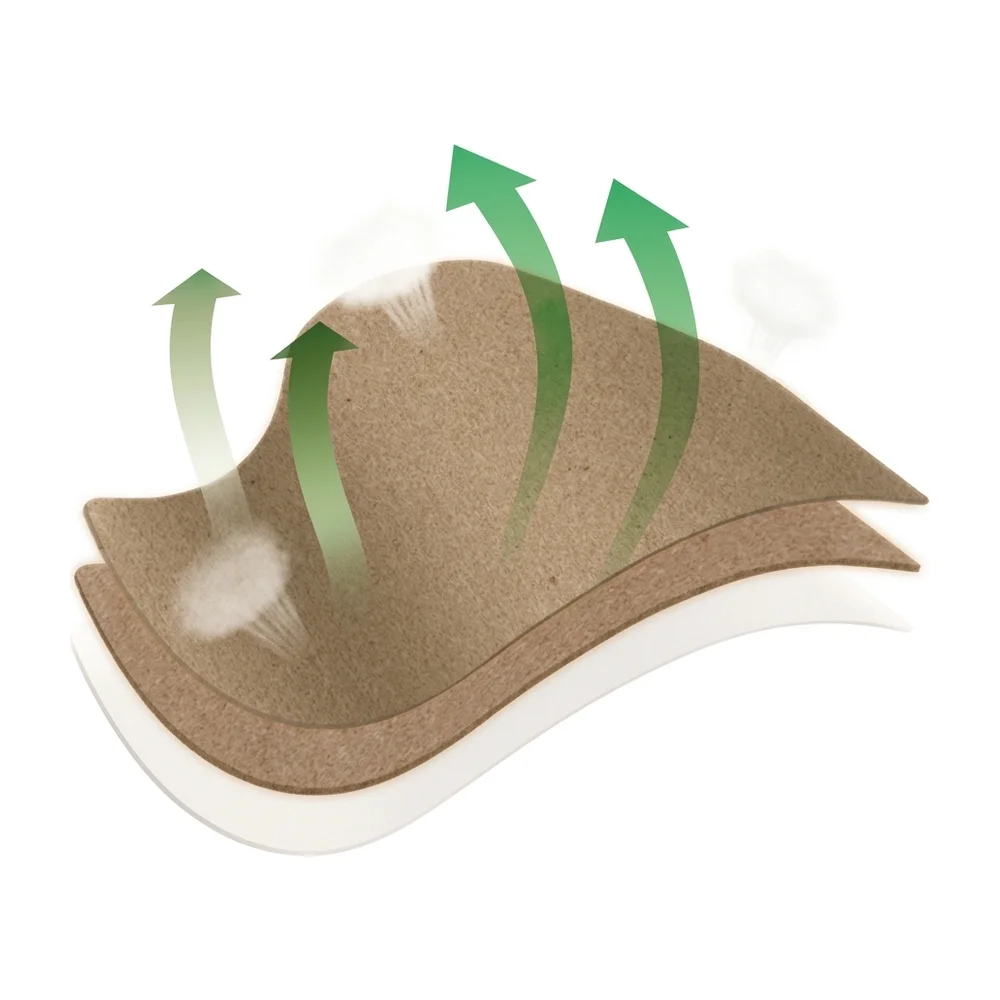
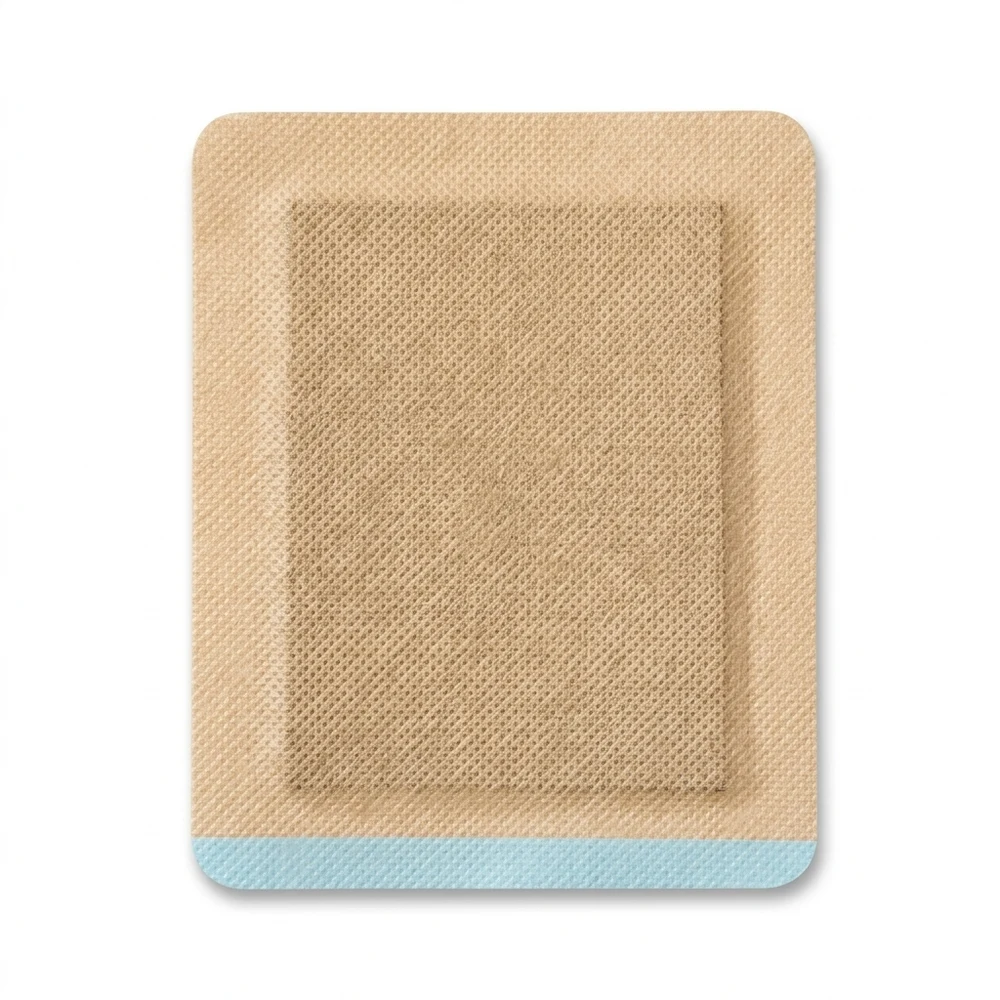
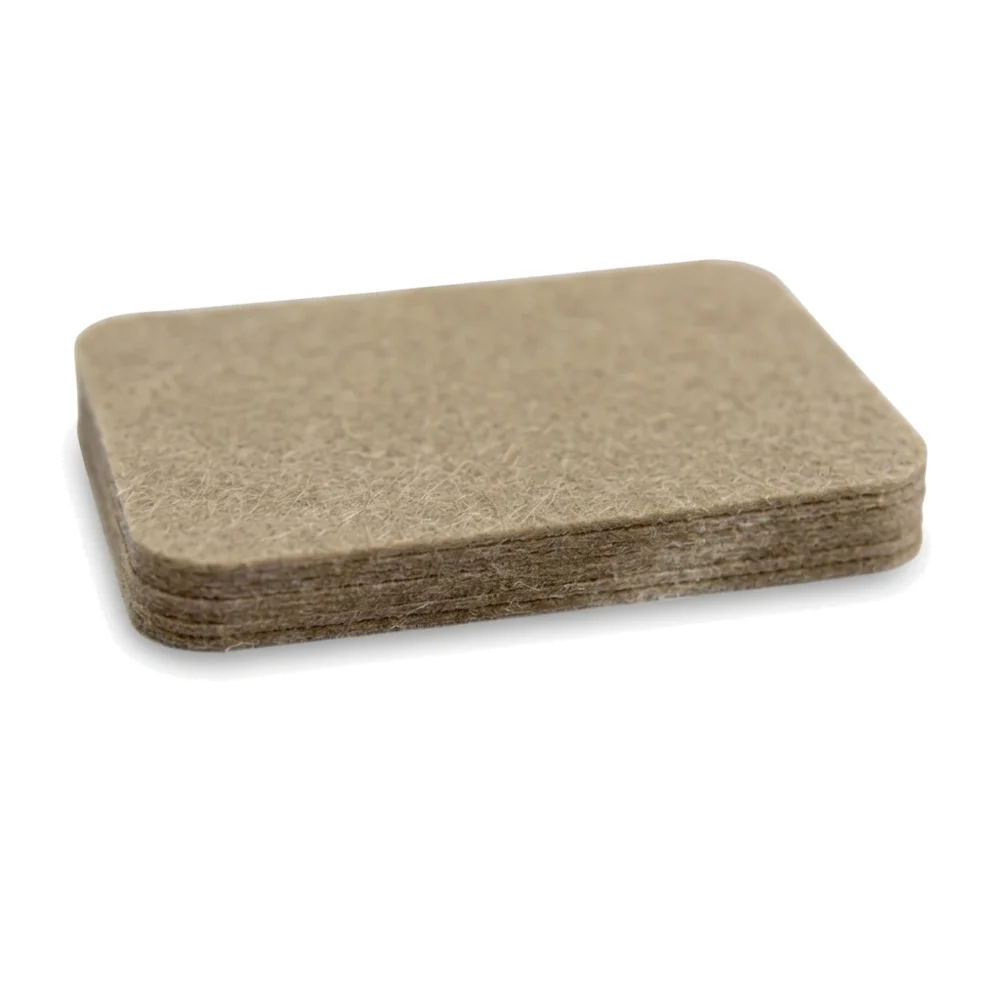
A herbal back pain patch is built around a few simple layers: a protective film you peel off before use, an adhesive that holds it in place, and a herb-infused layer that sits against your skin.
Once applied, your skin warms the herbal layer and ingredients such as camphor, menthol or capsaicin create a warming or cooling sensation on the skin. That sensation competes with the ache for your attention — the counter-irritant effect used by many traditional warming rubs. The patch is applied locally, but that doesn't make it risk-free: some ingredients can still be absorbed, and skin irritation is the most common side effect.
The Best Back Pain Patches by Type of Pain
The "best" patch depends on where your back aches — and some pain needs a doctor rather than a patch.
- Everyday lower back aches and stiffness. For general lower-back soreness and desk-job stiffness, a standard herbal patch is usually enough. Mrjoint Back Pain Patches are made for temporary relief of minor aches in the lower-back muscles, with a warming sensation. For more ideas, see our guide to natural ways to relieve lower back pain.
- When you want a stronger warming sensation. Mrjoint 3x Strength Back Pain Relief Patches use a higher concentration of the same herbs, for temporary relief of minor back muscle aches. If your pain is severe, lasts for weeks, or radiates from the lower back down into the leg, see a doctor first — our article on sciatica explains the warning signs.
- Pain that reaches the neck and shoulders. When back tension creeps up into the neck and shoulders, a patch shaped for that area fits better. Mrjoint Pain Relief Patch for Neck & Shoulder is shaped for that region.
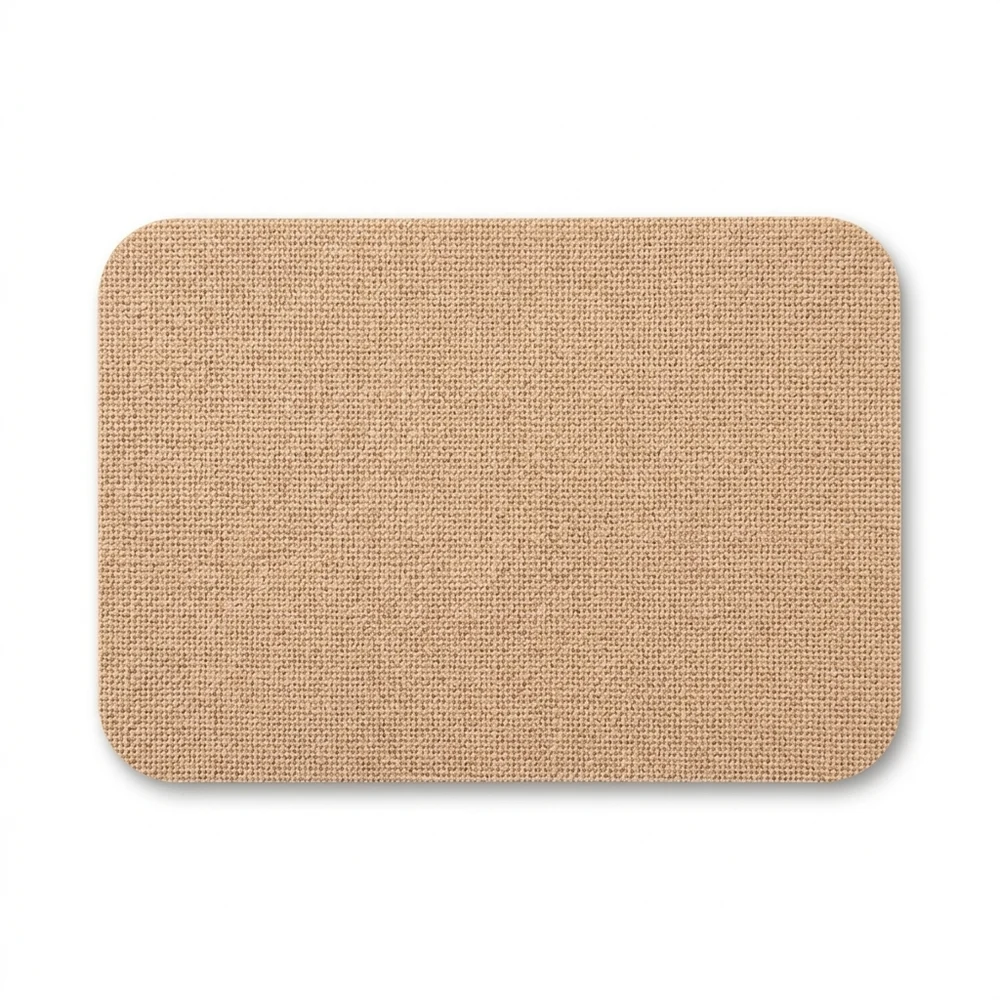 Mentioned in this articleMrjoint Back Pain PatchesFrom $34.99View Details →
 Mentioned in this articleMrjoint 3x Strength Back Pain Relief PatchesFrom $24.95View Details →
How to Use a Back Pain Patch Safely
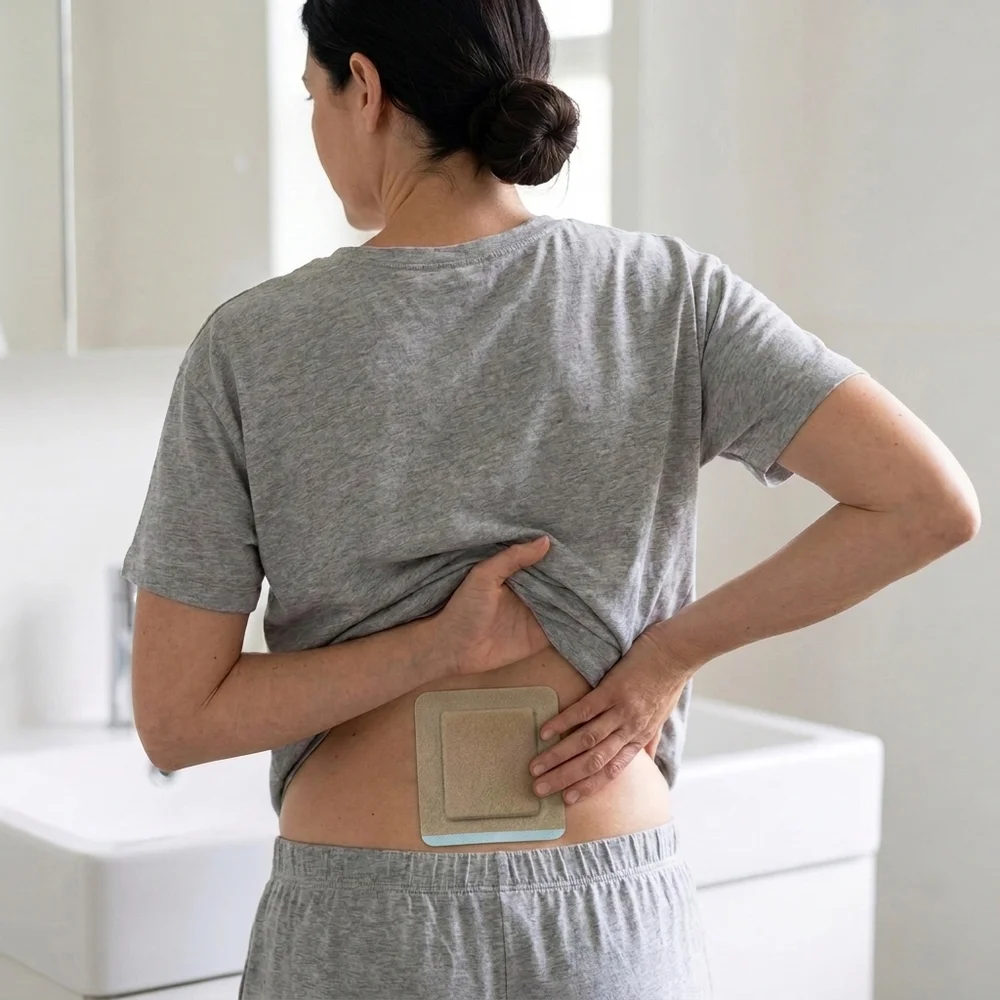
Getting the most out of a back pain patch comes down to a few simple steps:
- Start with clean, dry skin. Wash and dry the area, and make sure there are no cuts or irritation where the patch will go.
- Apply firmly. Peel off the protective film, press the patch onto the painful area, and smooth it from the center outward so it sticks evenly.
- Wear it for the recommended time. Most patches are made for up to 8–12 hours of wear (Mrjoint back patches: up to 8 hours) — follow the time on the packaging and don't double up beyond what's recommended.
- Keep it away from extra heat. Direct sun, heating pads, or heated car seats can change how the patch performs.
- Remove gently and rest the skin. Peel it off slowly, fold it inward, and let the skin breathe before applying a fresh one.
Stop using a patch if your skin becomes irritated, and check with a doctor first if you are pregnant, have sensitive skin, are under medical care, or are managing a diagnosed back condition.
Our Top Natural Back Pain Patches
Full disclosure: these are our own products. Based on the criteria above — transparent herbal ingredients, easy daily wear, and honest claims — here is what we make:
- Mrjoint Back Pain Patches — herbal patches (mugwort, millettia, wild celery, safflower oil, cistanche) for temporary relief of minor lower-back muscle aches and stiffness, worn for up to 8 hours.
- Mrjoint 3x Strength Back Pain Relief Patches — the same herbs at triple concentration, for a stronger warming sensation; also for temporary relief of minor back muscle aches.
Frequently Asked Questions
Do natural back pain patches actually work?
For minor muscle aches and stiffness, some people find them helpful for temporary relief; others notice little, so results vary with the person and the cause of the pain. Most of what you feel is a warming or cooling sensation from the herbs on the patch. You may feel that sensation within 30–90 minutes. The finished herbal patches on the market have generally not been tested in clinical trials.
Are herbal patches better than creams or heat packs?
They suit different situations. A cream needs rubbing in and reapplying, and a heat pack cools down within an hour or so. A herbal patch stays in place for hours and gives a steady warming or cooling sensation, which some people find more convenient for an ache in one spot. Finished herbal patches have little clinical research behind them, and results vary.
Are back pain patches safe to use every day?
Many patches are designed for daily use within the wear time on the label, but 'herbal' doesn't mean risk-free: skin irritation is the most common problem, and some ingredients (such as methyl salicylate or capsaicin) can be absorbed through the skin. Apply one patch at a time, let your skin rest between applications, and consult a doctor if you plan to use any patch daily for an extended period, are under medical care, or are pregnant.
How long does a back pain patch take to work, and how long does it last?
You may feel a warming sensation within 30–90 minutes; results vary. Herbal back patches are usually worn for up to 8 hours (Mrjoint back patches: up to 8 hours), and some people apply one in the evening.
What is the difference between a standard and a 3x-strength back patch?
A 3x-strength patch uses a higher concentration of the same herbs, so the warming sensation is stronger; both are for temporary relief of minor back muscle aches. Pain that is severe, lasts for weeks, or radiates into the leg should be checked by a doctor rather than managed with a stronger patch.


