
7 Natural Ways to Relieve Lower Back Pain at Home
Struggling with lower back pain? Discover 7 natural remedies you can try at home — from herbal patches to stretches, heat therapy, and anti-inflammatory foods.
Published October 15, 2025 · Updated September 24, 2026 · 5 min read
Mrjoint Editorial Team

Lower back pain affects nearly everyone at some point. Whether it's from sitting at a desk all day, lifting something heavy, or simply getting older, lumbar pain can stop you from doing the things you love. The good news? Many simple remedies can be done at home.
Here are 7 natural, evidence-based ways to relieve lower back pain from the comfort of your home.
1. Herbal Pain Relief Patches
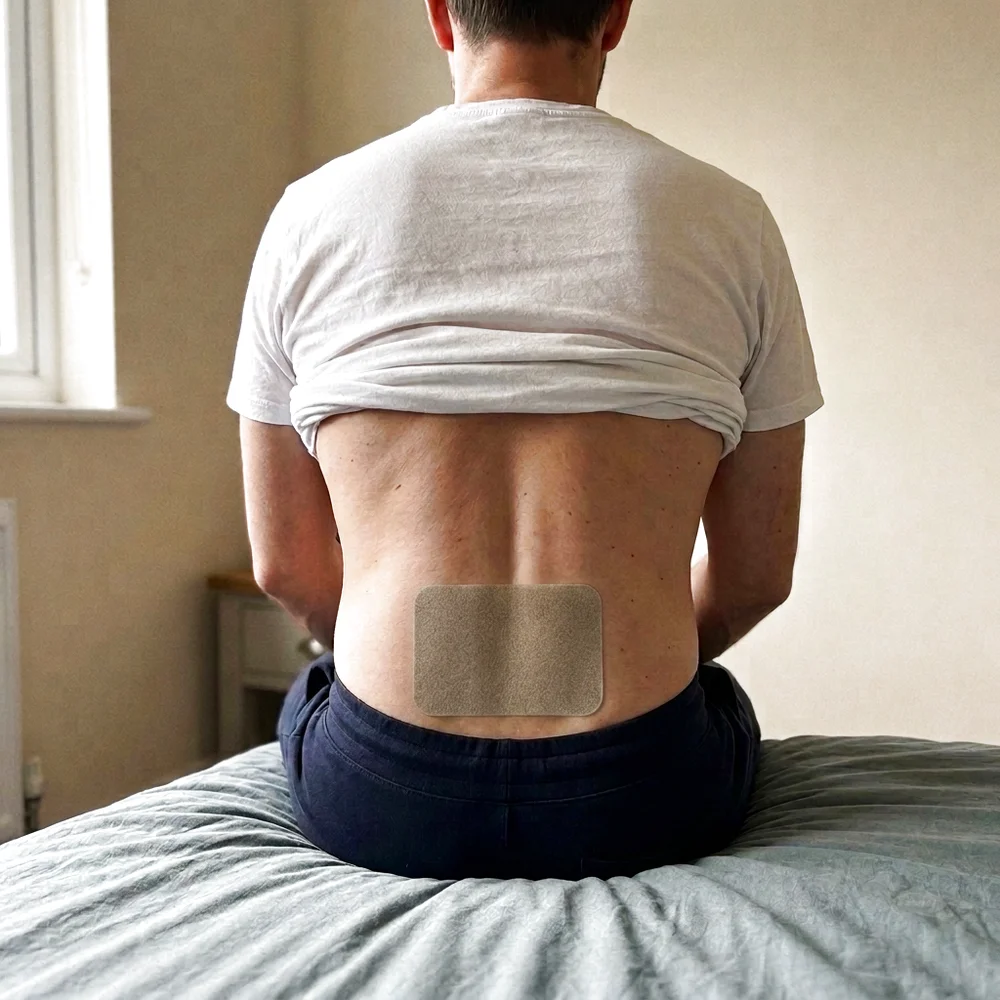
Herbal patches hold ingredients such as mugwort, camphor or menthol against the skin and create a warming or cooling sensation where you place them. Some people find this helpful for temporary relief of minor muscle aches in the lower back; results vary, and finished herbal patches have little clinical research behind them.
A patch is applied locally, but it isn't risk-free: skin irritation is the most common side effect, and some ingredients can be absorbed through the skin. Patch-test first if your skin is sensitive, and follow the wear time on the label (usually up to 8 hours).
If you want to try ours: Mrjoint Back Pain Patches are herbal patches for temporary relief of minor aches and stiffness in the lower-back muscles; the 3x Strength version uses a higher concentration of the same herbs for a stronger warming sensation.
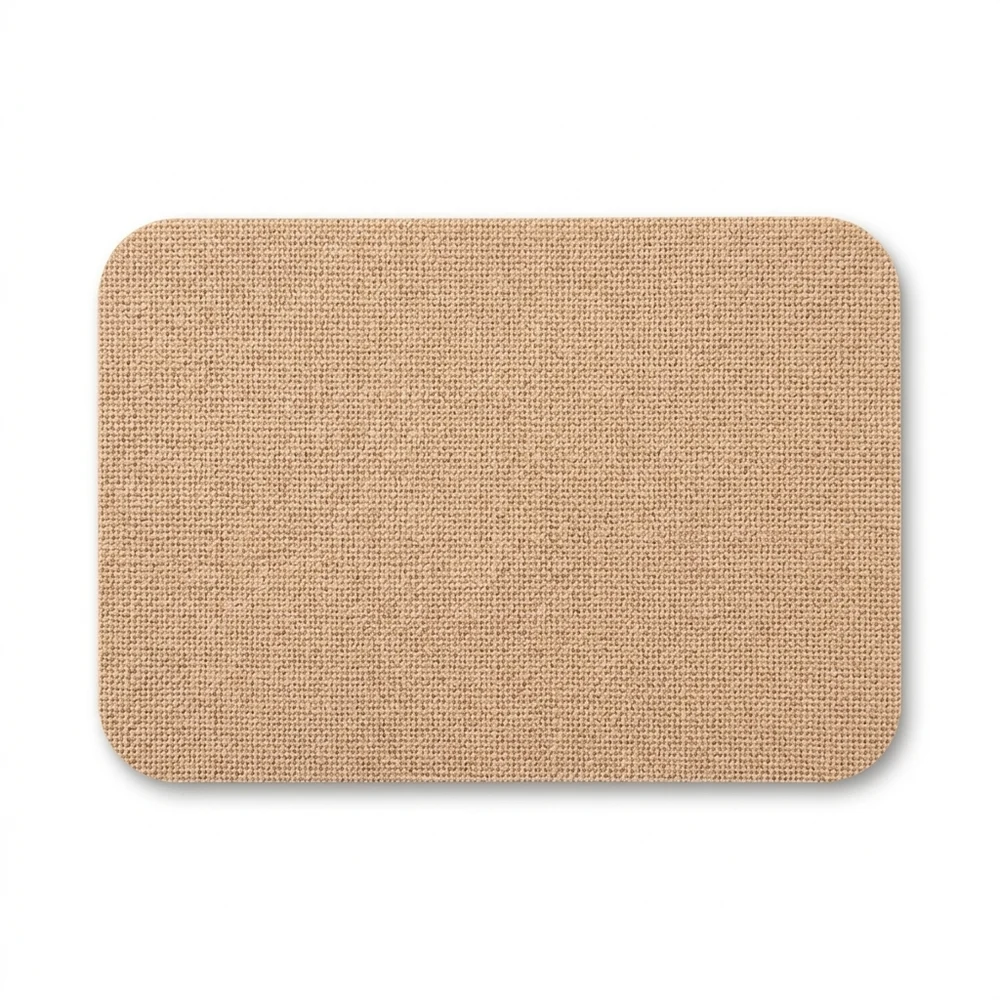 Mentioned in this articleMrjoint Back Pain PatchesFrom $34.99View Details →
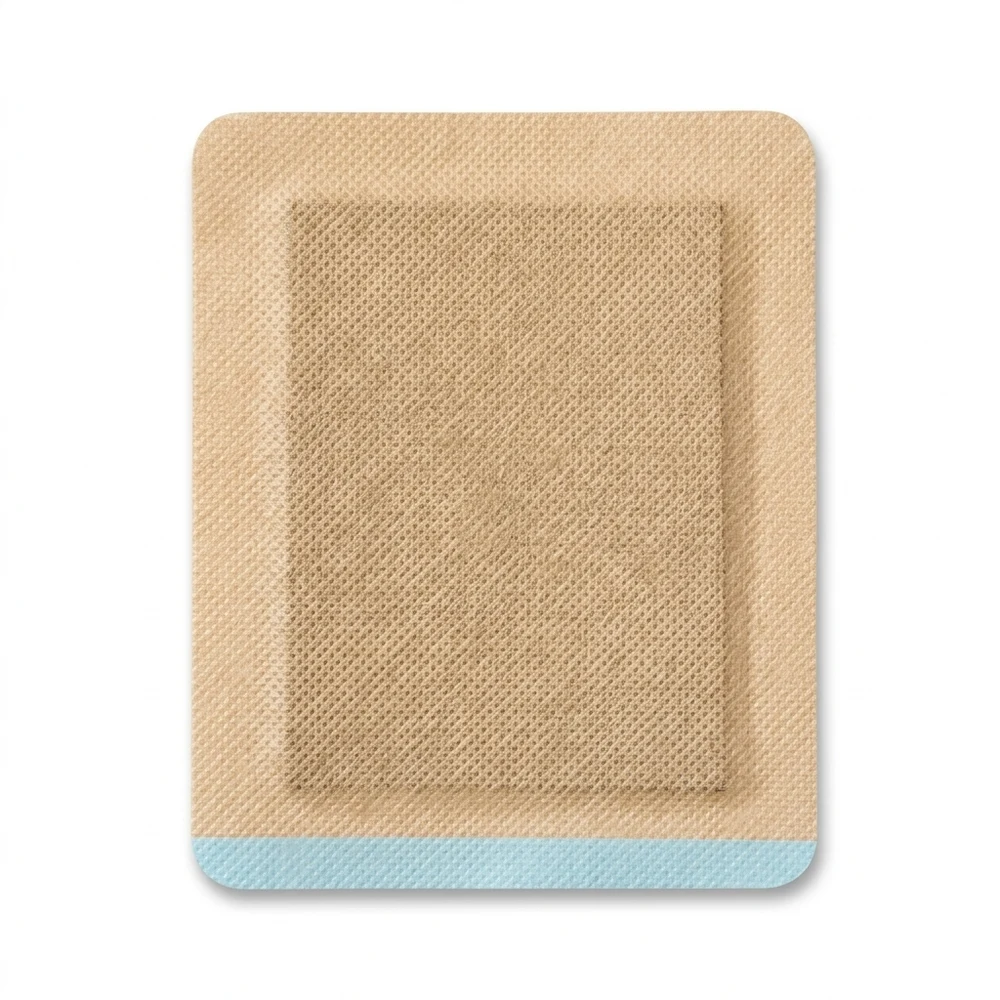 Mentioned in this articleMrjoint 3x Strength Back Pain Relief PatchesFrom $24.95View Details →
2. Heat and Cold Therapy
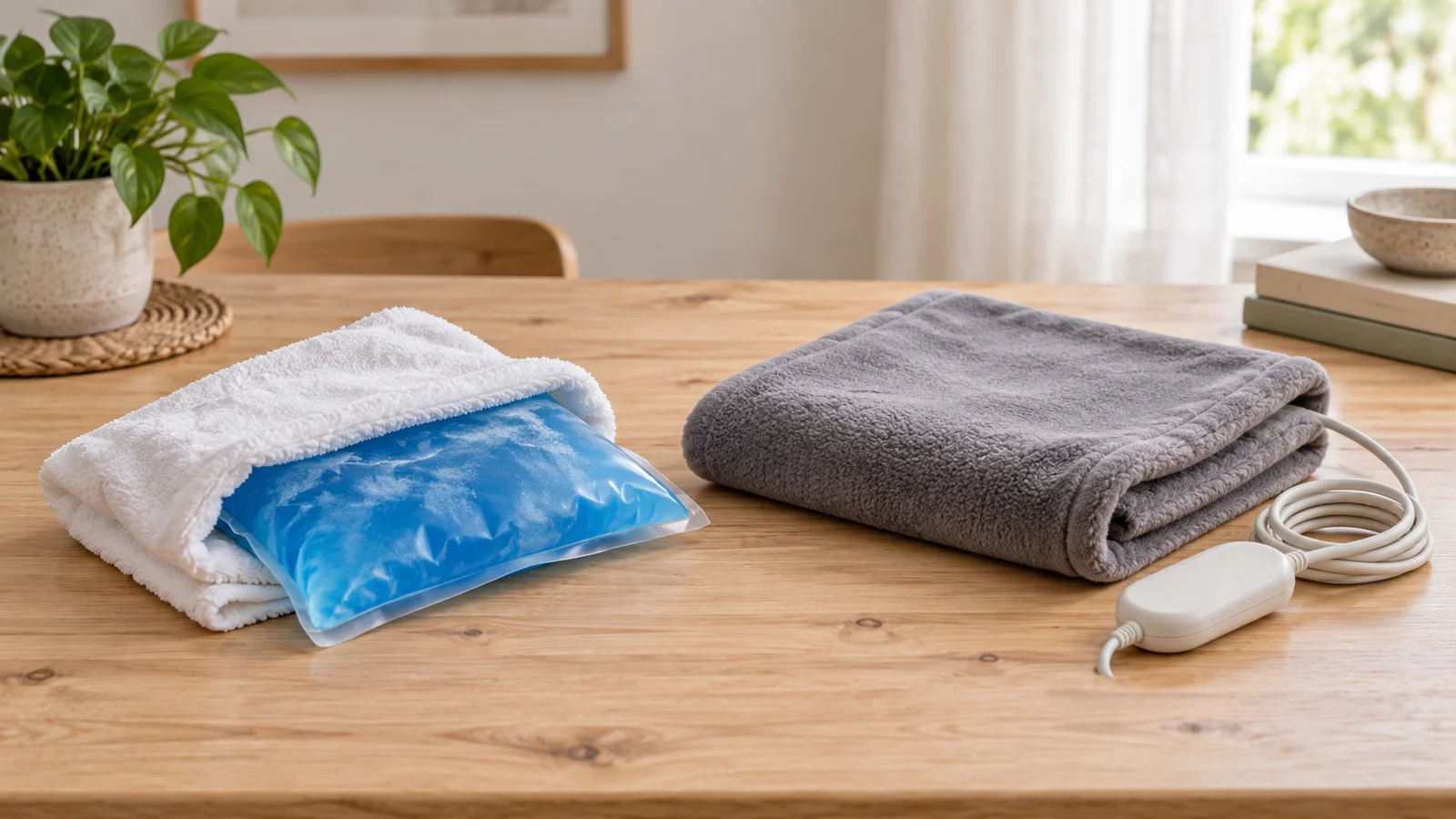
This is one of the oldest and most reliable remedies. Here's when to use each:
- Cold therapy (first 48 hours): Apply an ice pack wrapped in a towel for 15–20 minutes at a time. Cold reduces inflammation and numbs sharp pain.
- Heat therapy (after 48 hours): Use a heating pad, warm towel, or hot water bottle. Heat relaxes tight muscles, increases blood flow, and promotes healing.
Many people find alternating between heat and cold provides the best results. Never apply ice or heat directly to bare skin.
3. Gentle Stretching and Movement

Rest might feel right, but prolonged inactivity can actually make back pain worse. Gentle movement keeps your muscles from stiffening and promotes blood flow to the injured area.
Try these beginner-friendly stretches:
- Cat-Cow stretch: On all fours, alternate between arching and rounding your back. Hold each position for 5 seconds. Repeat 10 times.
- Knee-to-chest stretch: Lying on your back, pull one knee toward your chest. Hold for 20–30 seconds, then switch legs.
- Child's pose: Kneel and sit back on your heels, reaching your arms forward on the floor. Hold for 30 seconds.
- Pelvic tilt: Lying on your back with knees bent, gently flatten your lower back against the floor by tightening your abs. Hold for 5 seconds, repeat 10 times.
Consistency matters more than intensity. Aim for 10–15 minutes of gentle stretching daily.
4. Anti-Inflammatory Foods

What you eat directly affects inflammation in your body. Adding these foods to your diet can help reduce chronic back pain over time:
- Turmeric: Contains curcumin, a powerful anti-inflammatory compound. Add to soups, smoothies, or take as a supplement.
- Ginger: A clinical trial found daily ginger reduced exercise-related muscle soreness by around a quarter. Brew fresh ginger tea daily.
- Fatty fish (salmon, mackerel, sardines): Rich in omega-3 fatty acids that fight inflammation.
- Berries and cherries: Packed with antioxidants that combat oxidative stress in tissues.
- Leafy greens (spinach, kale): High in vitamins C and E, which protect against inflammatory damage.
Foods to avoid: Processed sugar, refined carbs, fried foods, and excessive alcohol — all of which promote inflammation.
5. Epsom Salt Baths

Epsom salt (magnesium sulfate) has been used for centuries to relieve muscle pain and stiffness. Magnesium plays a key role in muscle relaxation and nerve function.
How to use:
- Add 2 cups of Epsom salt to a warm bath
- Soak for 15–20 minutes
- Focus on keeping your lower back submerged
For best results, take an Epsom salt bath 2–3 times per week. The warm water combined with magnesium absorption can significantly reduce muscle tension in the lumbar region.
6. Improve Your Sleep Position

Poor sleep posture is one of the most overlooked causes of chronic back pain. Small adjustments can make a dramatic difference:
- Side sleepers: Place a pillow between your knees to keep your spine aligned.
- Back sleepers: Place a pillow under your knees to maintain the natural curve of your lower back.
- Stomach sleepers: Try to transition to side sleeping — stomach sleeping puts the most strain on your lumbar spine.
Also consider your mattress. A medium-firm mattress generally provides the best support for lower back pain. If your mattress is older than 8 years, it may be time for a replacement.
7. Mindfulness and Stress Reduction
Chronic stress causes your muscles to tighten, especially in the back, neck, and shoulders. Over time, this constant tension contributes to pain and inflammation.
In one brain-imaging study, a few days of mindfulness meditation training lowered participants' pain-intensity ratings by about 40%. Simple techniques include:
- Deep breathing: Inhale for 4 counts, hold for 4, exhale for 8. Repeat for 5 minutes.
- Body scan meditation: Lie down and slowly focus attention on each body part from toes to head, consciously releasing tension.
- Progressive muscle relaxation: Tense each muscle group for 5 seconds, then release. Work from your feet up to your shoulders.
Even 10 minutes a day can produce noticeable improvements in both pain levels and overall well-being.
When to See a Doctor
While most lower back pain improves with home treatment, see a healthcare provider if you experience:
- Pain lasting more than 6 weeks despite home remedies
- Numbness or tingling in your legs
- Loss of bladder or bowel control
- Severe pain after a fall or injury
- Unexplained weight loss alongside back pain
These symptoms may indicate a more serious condition that requires medical evaluation.
Build a Complete Pain Management Routine
The most effective approach combines multiple remedies. For example:
- Use heat, or a warming herbal back patch, on stiff muscles when it helps
- Do 10 minutes of gentle stretching each morning
- Incorporate anti-inflammatory foods into your daily diet
- Take an Epsom salt bath 2–3 times per week
- Practice 10 minutes of mindfulness daily
Give a routine like this a few weeks, and see a doctor if your pain doesn't improve or any of the warning signs above appear.
Related Articles
- The Best Back Pain Patches: A Natural, Pill-Free Buying Guide – Compare the top back pain patches on the market.
- 15 Natural Home Remedies For Knee Pain Relief – Natural remedies that also work for other joint pain.
- 10 Strengthening Exercises To Prevent Knee Pain – Strengthen your lower body to support your back.


