
Shoulder Pain: Common Causes and When to Use a Brace
What causes shoulder pain and when should you wear a brace? Learn about rotator cuff injuries, frozen shoulder, bursitis, and when a compression brace can be useful for support.
Published March 6, 2026 · Updated September 24, 2026 · 5 min read
Mrjoint Editorial Team
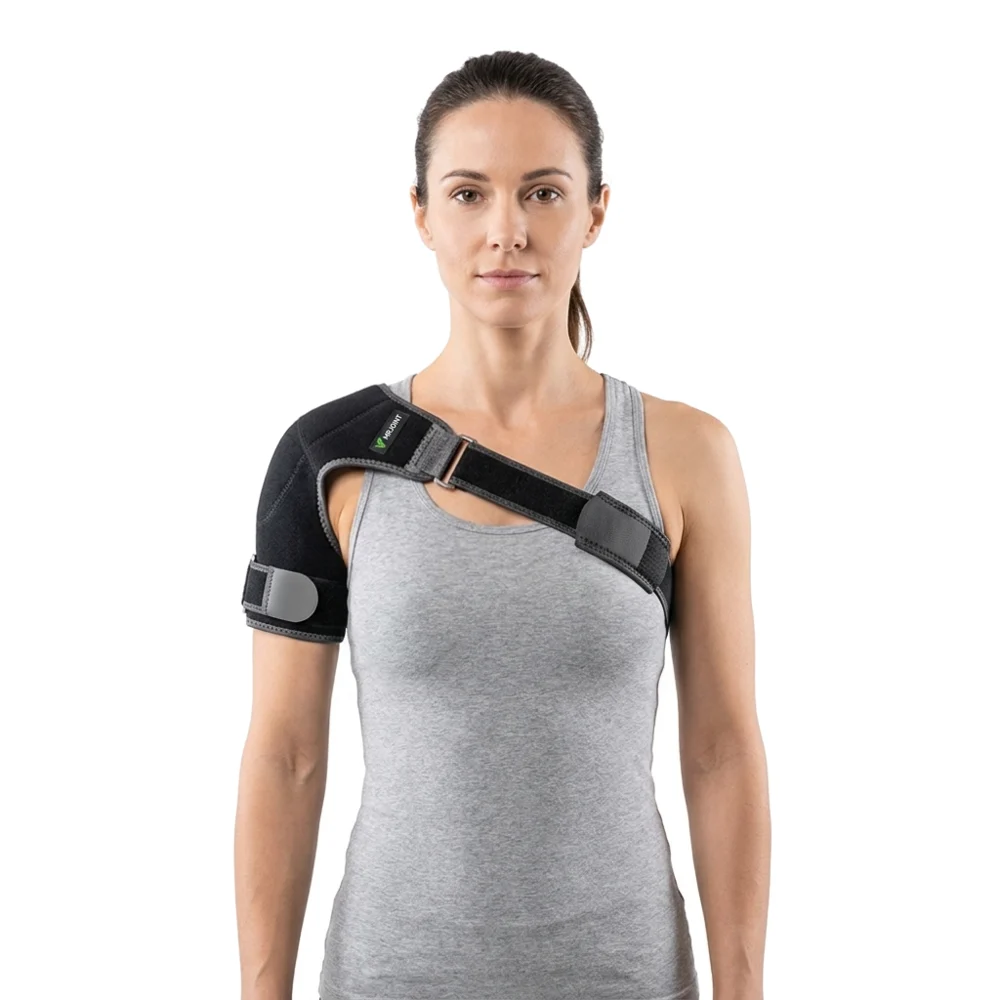
Shoulder pain is one of the most common musculoskeletal complaints, with point-prevalence estimates running as high as 26% of adults at any given time. The shoulder is the most mobile joint in your body — which also makes it one of the most vulnerable to injury and wear.
Whether your shoulder pain comes from an injury, overuse, or simply sleeping in the wrong position, understanding the cause is the first step to effective treatment.
The 6 Most Common Causes of Shoulder Pain
1. Rotator Cuff Injury
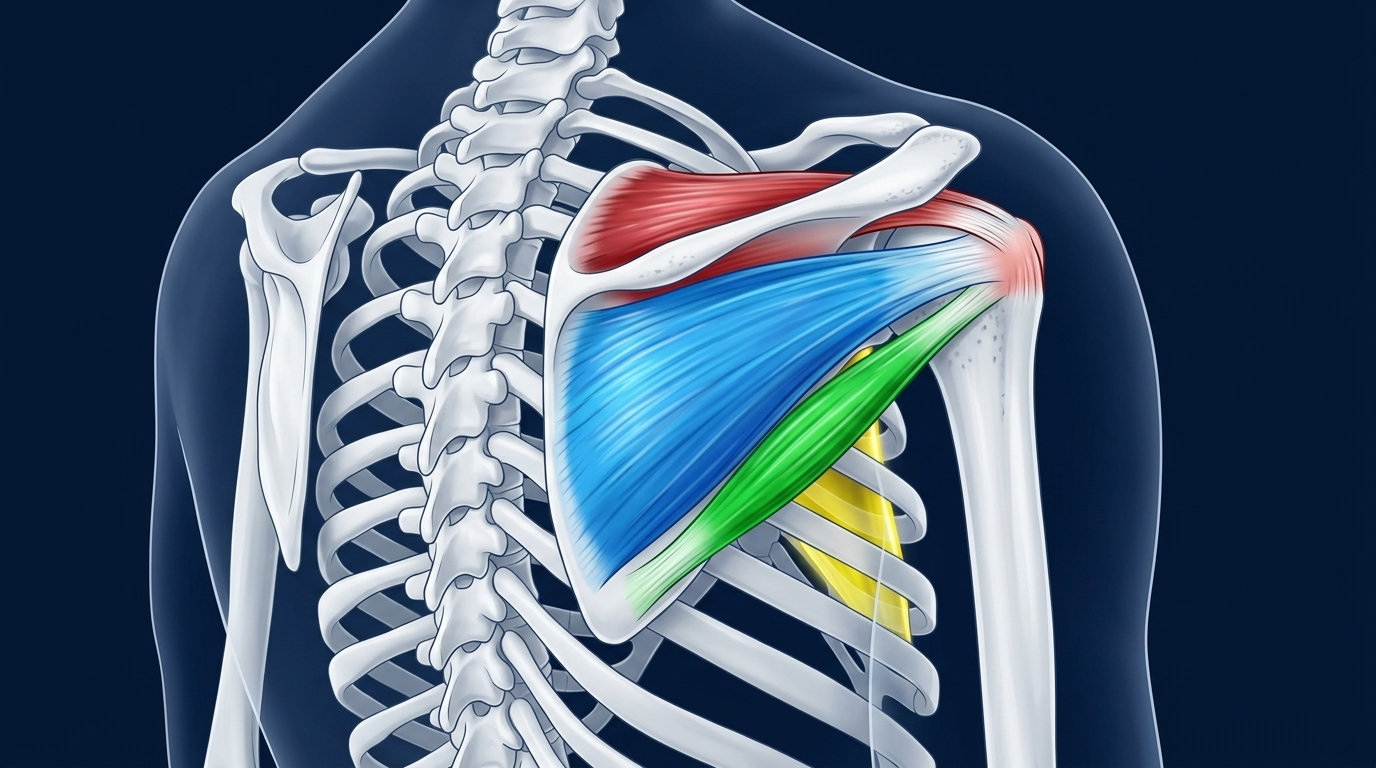
The rotator cuff is a group of four muscles and tendons that stabilize your shoulder joint. Injuries range from mild inflammation (tendinitis) to partial or complete tears.
Symptoms: Pain when lifting your arm overhead, weakness when rotating the arm, pain that worsens at night, a clicking or popping sound
Common in: Swimmers, tennis players, painters, anyone who does repetitive overhead motions
2. Frozen Shoulder (Adhesive Capsulitis)

The capsule surrounding the shoulder joint thickens and tightens, severely limiting range of motion. It typically develops gradually in three stages: freezing (2–9 months), frozen (4–12 months), and thawing (5–24 months).
Symptoms: Stiffness that progressively worsens, inability to reach behind your back, pain with any movement beyond the limited range
Common in: Women over 40, people with diabetes, those recovering from shoulder surgery or immobilization
3. Bursitis
The bursae are small fluid-filled sacs that cushion the bones, tendons, and muscles around joints. When they become inflamed, every movement becomes painful.
Symptoms: Swelling and tenderness at the top of the shoulder, pain that worsens with movement or pressure, warmth and redness
Common in: People who do repetitive overhead work or sleep on one side consistently
4. Shoulder Impingement
The rotator cuff tendons get pinched between the bones of the shoulder when you raise your arm. Over time, this causes inflammation and pain.
Symptoms: Pain when reaching overhead or behind your back, weakness in the arm, pain at night when sleeping on the affected side
5. Arthritis
Osteoarthritis in the shoulder develops as cartilage wears down over time. Rheumatoid arthritis causes the immune system to attack the joint lining.
Symptoms: Deep aching pain, stiffness (especially in the morning), grinding or clicking with movement, reduced range of motion
6. Referred Neck Pain
Sometimes what feels like shoulder pain actually originates in the cervical spine. A pinched nerve in the neck can radiate pain into the shoulder and down the arm.
Symptoms: Pain that starts in the neck and spreads to the shoulder, numbness or tingling in the arm, pain that changes with neck position
When Should You Wear a Shoulder Brace?
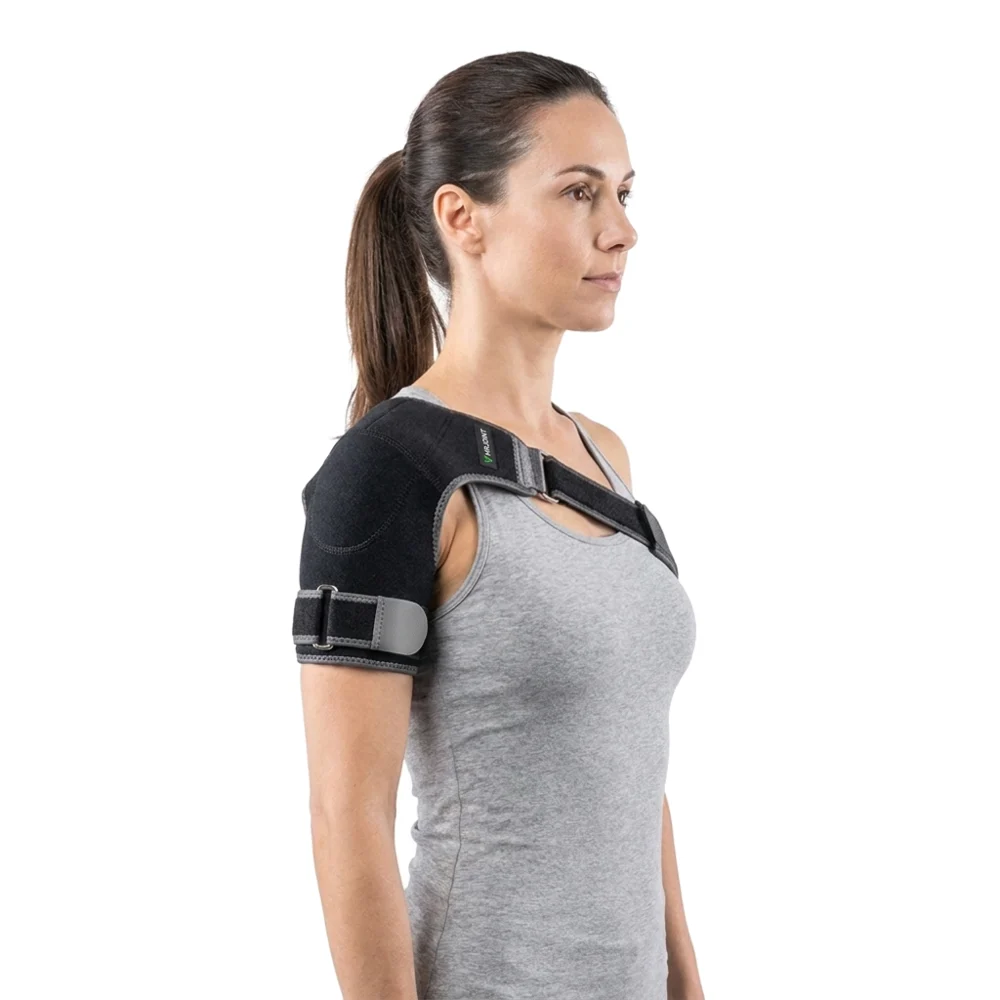
A shoulder brace is not a universal solution, and it doesn't heal an injury by itself. It adds support and compression, which some people find makes everyday movement more comfortable.
When a Brace May Be Suggested:
- Rotator cuff strains and partial tears — Support and compression can make movement feel more controlled while you follow your rehab plan
- Post-surgical recovery — Controlled immobilization is usually required after shoulder surgery; your surgeon will specify the sling or brace
- Frozen shoulder (freezing phase) — Some people find gentle compression and warmth comfortable
- Bursitis and tendinitis — Light compression may feel supportive during everyday tasks
- Shoulder instability or dislocation recovery — A brace can limit movement into positions that feel unstable
- During physical labor or sports — Extra support for activities that stress the shoulder
Ask a doctor or physiotherapist whether a brace suits your situation.
A Brace Alone Is NOT Enough For:
- Complete rotator cuff tears — May require surgery; a brace can support post-op recovery
- Referred neck pain — The problem is in your cervical spine, not the shoulder itself
- Severe arthritis — Braces provide symptom relief, but the underlying condition needs medical management
How to Choose the Right Shoulder Brace
| Feature | Why It Matters |
|---|---|
| Compression level | Moderate compression reduces swelling; too much restricts blood flow |
| Adjustable straps | Allow you to customize fit and pressure as swelling changes |
| Range of motion | Some braces limit movement (post-surgery); others allow full ROM (daily support) |
| Material | Breathable fabrics for all-day wear; neoprene for maximum warmth and compression |
| Bilateral fit | Can be worn on either shoulder (left or right) |
Our option: The Mrjoint Compression Shoulder Brace has dual-pressure adjustable straps and breathable compression for support and compression during everyday activity. It is not a medical device for treating injuries; for a diagnosed condition or after surgery, use the support your doctor recommends.
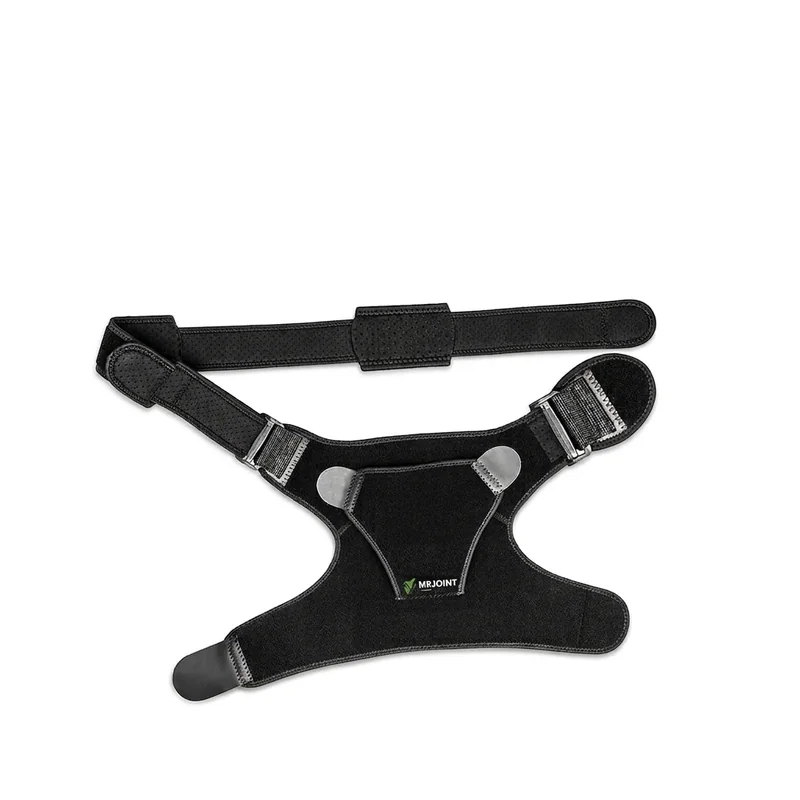 Mentioned in this articleMrjoint Compression Shoulder BraceFrom $78.95View Details →
Complementary Treatments
A shoulder brace works best when combined with other approaches:
Herbal Pain Relief Patches
Some people also use a warming herbal patch for temporary relief of minor muscle aches around the shoulder. The Mrjoint Neck & Shoulder Patches are shaped for the neck and upper shoulder and are worn for up to 8 hours. Don't apply a patch to broken or irritated skin.
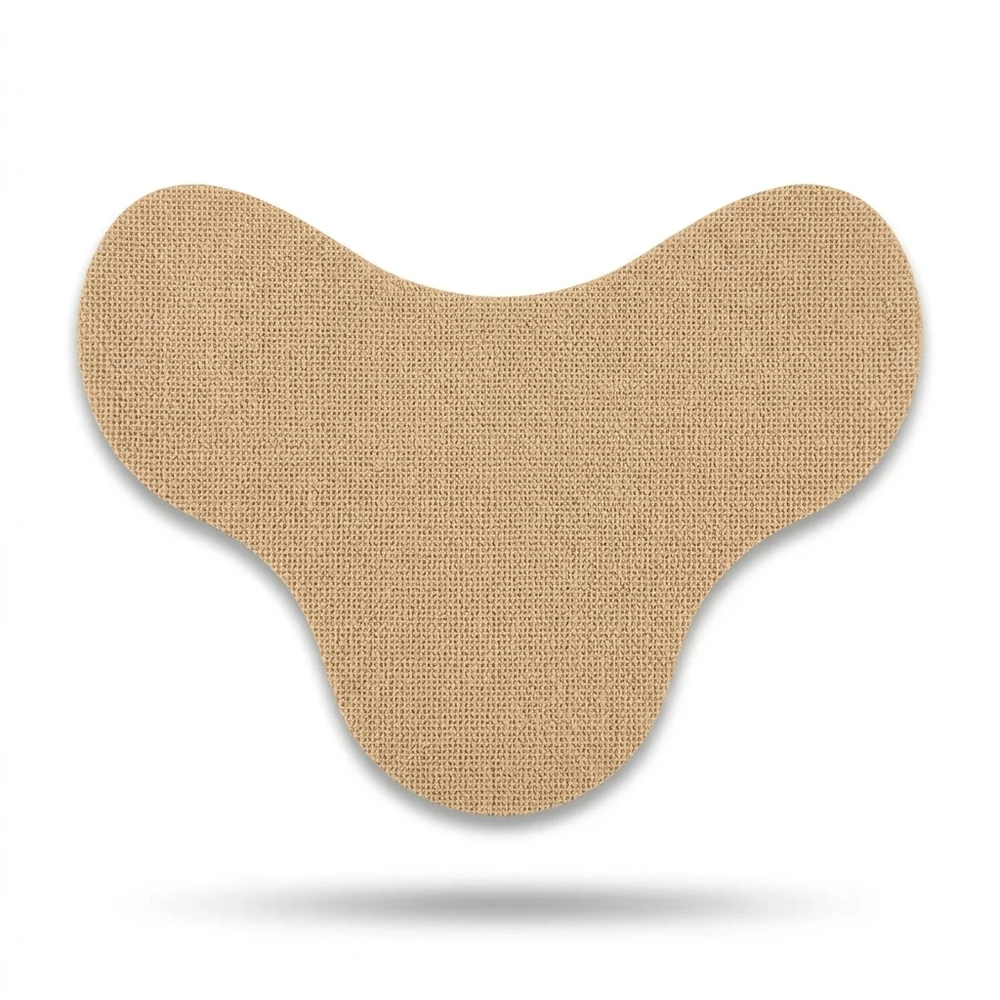 Mentioned in this articleMrjoint Pain Relief Patch for Neck & ShoulderFrom $34.99View Details →
Physical Therapy Exercises
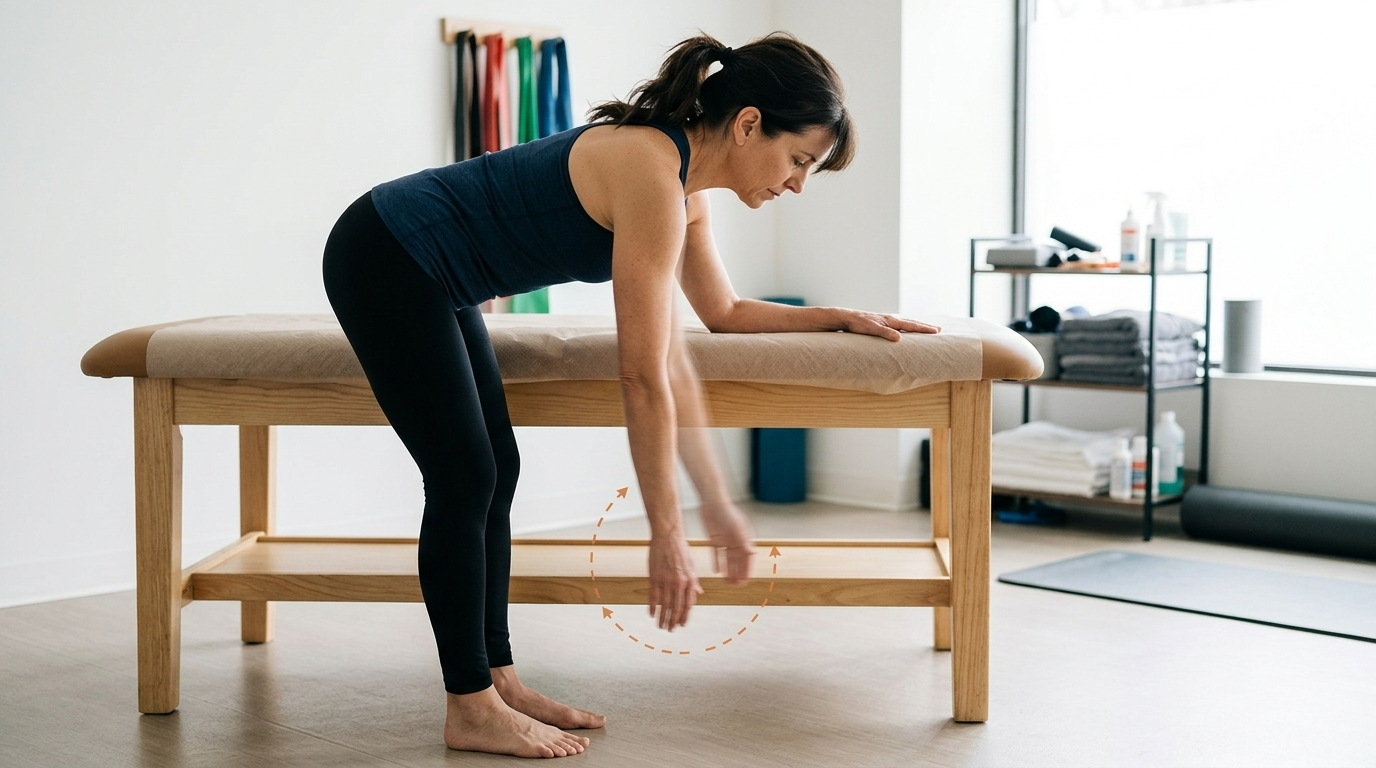
Once acute pain subsides, strengthening exercises are critical for long-term recovery:
- Pendulum swings: Lean forward, let your arm hang, swing gently in small circles
- External rotation with a band: Elbow at side, rotate forearm outward against resistance
- Wall crawls: Face a wall, walk your fingers up as high as you comfortably can
- Isometric holds: Press your hand against a wall in different directions without moving
Ice and Heat

- Acute injury (first 48 hours): Ice for 15–20 minutes to reduce swelling
- Chronic pain: Heat to relax muscles and increase blood flow
- Post-exercise: Ice to prevent inflammation from flaring
Recovery Timeline
| Condition | Typical Recovery Time (varies) |
|---|---|
| Mild rotator cuff tendinitis | 2–4 weeks |
| Moderate rotator cuff strain | 4–8 weeks |
| Bursitis | 2–6 weeks |
| Frozen shoulder | 6–18 months |
| Post-surgical recovery | 3–6 months |
When to See a Doctor
Seek medical evaluation if:
- You can't raise your arm at all
- Shoulder pain follows a fall or direct impact
- Pain is accompanied by swelling and fever (possible infection)
- Weakness is progressive and doesn't improve with rest
- Pain persists for more than 2 weeks despite rest and home treatment
Related Articles
- Neck Pain from Desk Work: 8 Exercises and Relief Tips – Neck and shoulder pain often go hand in hand.
- How to Choose the Right Knee Brace – Complete Buying Guide – Similar guide for knee brace selection.


