
How to Choose the Right Knee Brace – Complete Buying Guide
Not sure which knee brace is right for you? This guide covers knee brace types, sizing, features, and conditions — from arthritis to ACL injuries and meniscus tears.
Published December 10, 2025 · Updated September 24, 2026 · 5 min read
Mrjoint Editorial Team
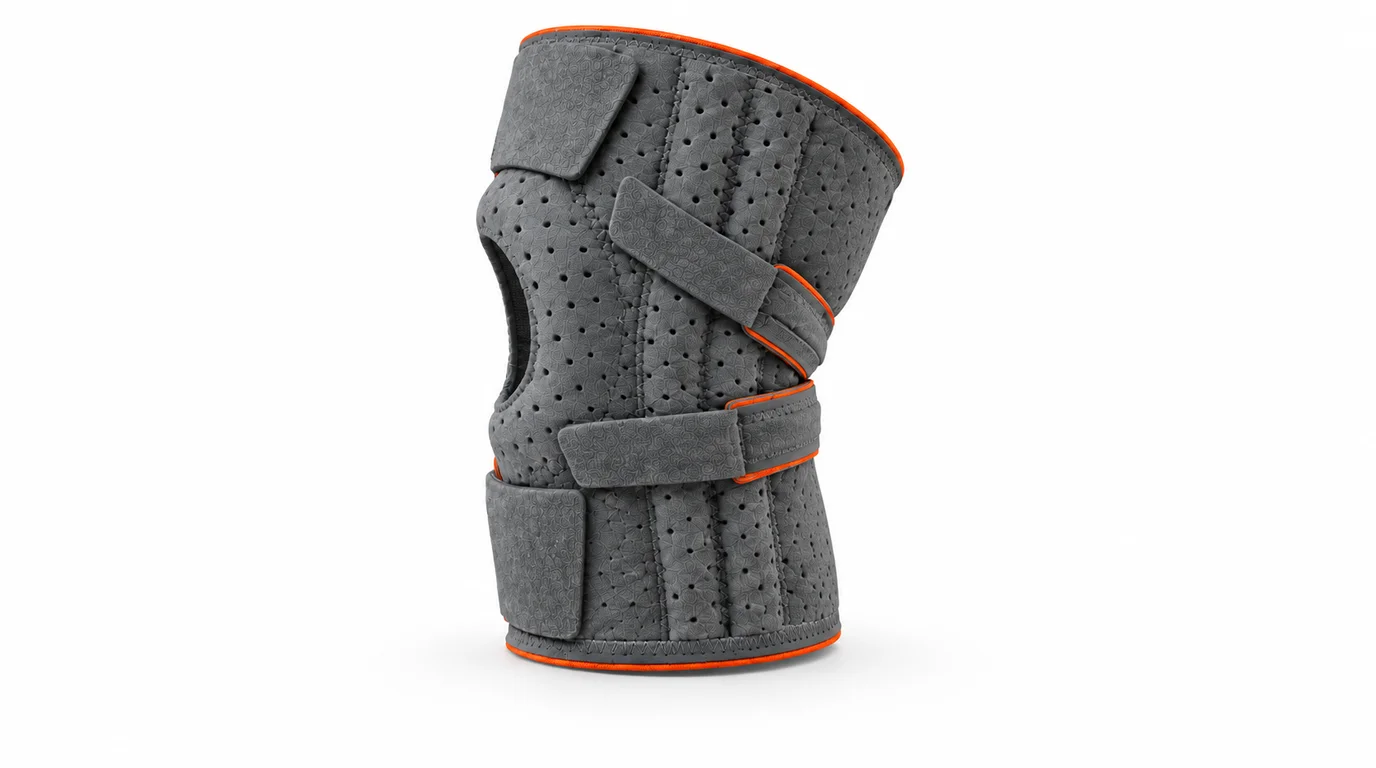
With dozens of knee braces on the market, choosing the right one can feel overwhelming. The wrong brace can be uncomfortable, ineffective, or even make your condition worse. This guide will help you find the perfect fit for your specific needs.
Why Knee Braces Work
A good knee brace does three things:
- Provides stability — Supports weakened or injured ligaments, preventing excessive movement
- Adds compression — Compression and warmth can make a sore knee feel more comfortable
- Limits unwanted movement — Keeps the joint within a comfortable range of motion
Whether you're recovering from surgery, managing arthritis, or protecting your knees during exercise, the right brace can make a significant difference.
Types of Knee Braces
Compression Sleeves
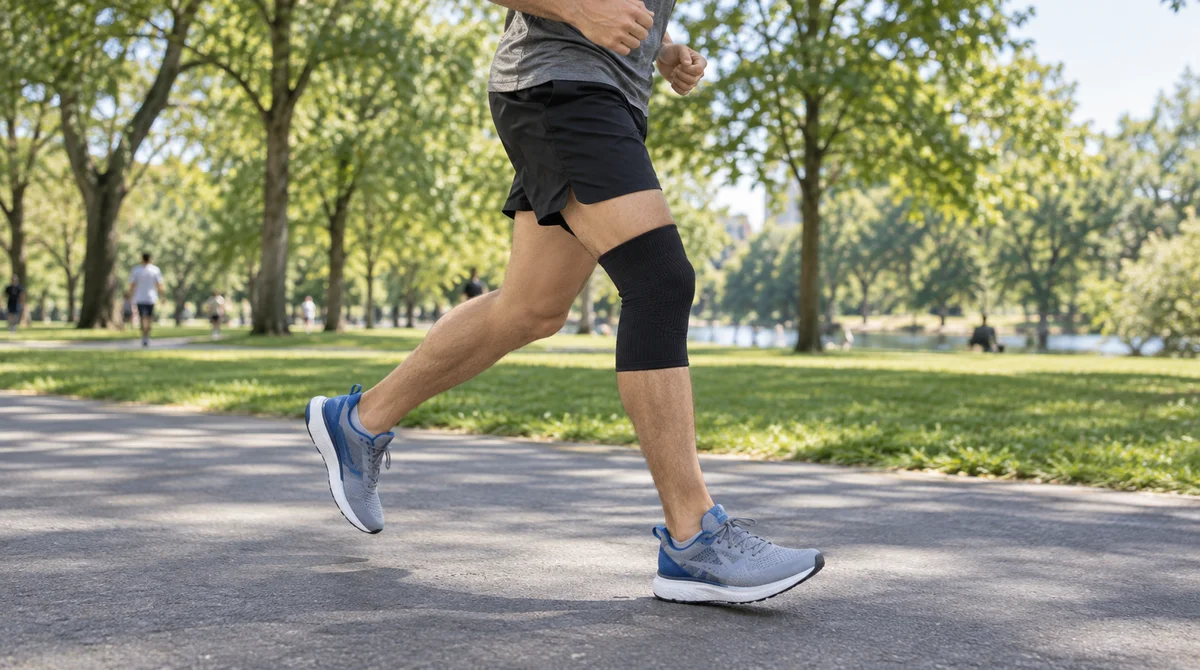
Best for: Mild pain, swelling reduction, general support during exercise
Compression sleeves slip over your knee and provide uniform pressure. They don't have rigid supports, so they're best for mild conditions. They're comfortable enough for all-day wear and fit easily under clothing.
Ideal conditions: Mild arthritis, post-exercise soreness, minor swelling, preventive support
Patella Stabilizing Braces
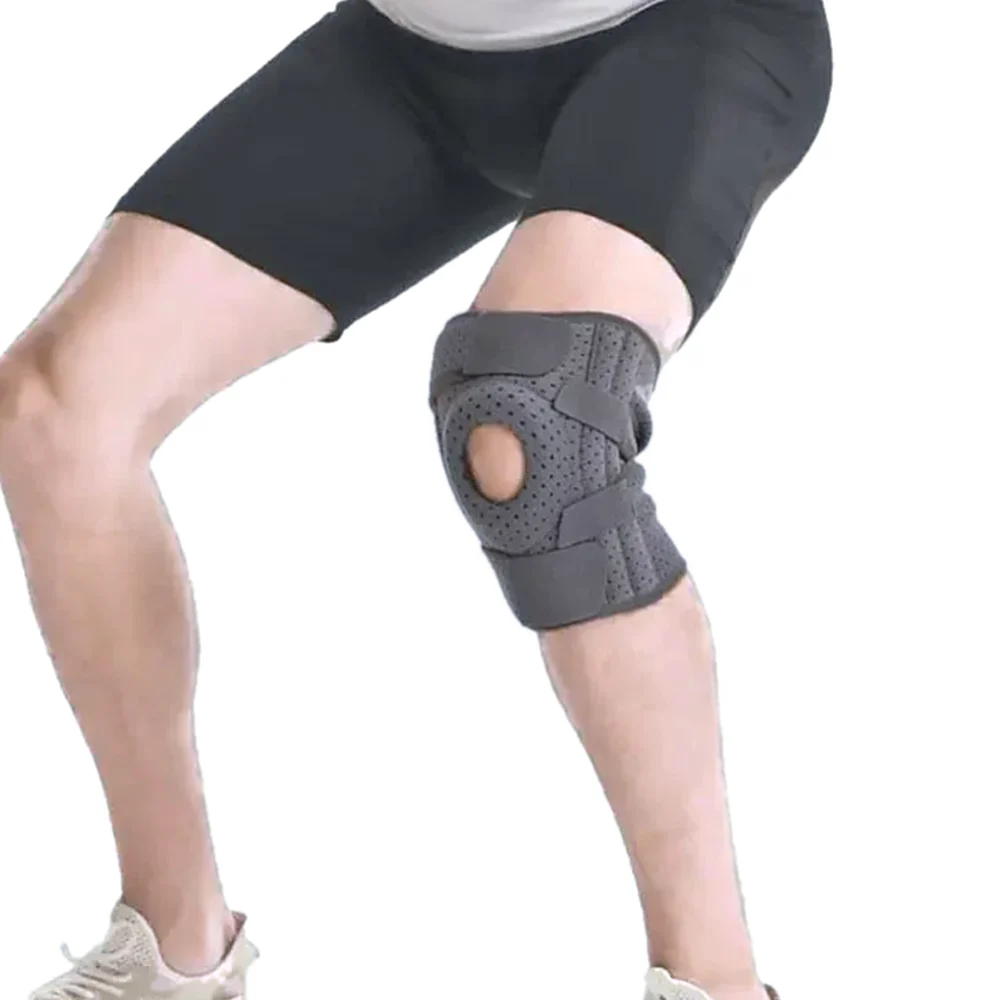
Best for: Patella tracking issues, bone-on-bone pain, moderate arthritis
These braces feature a gel pad or open ring around the kneecap, plus side stabilizers (usually metal or plastic springs) that prevent lateral movement. They're the most versatile option for moderate knee problems.
Ideal conditions: Patella tracking disorder, moderate osteoarthritis, meniscus injuries, general instability
Our option: The Mrjoint Patella Knee Brace is this type of brace, with a patella gel pad and 4 spring stabilizers for support and stability during everyday activity. If you have a diagnosed knee condition, ask your doctor or physiotherapist which brace type suits it.
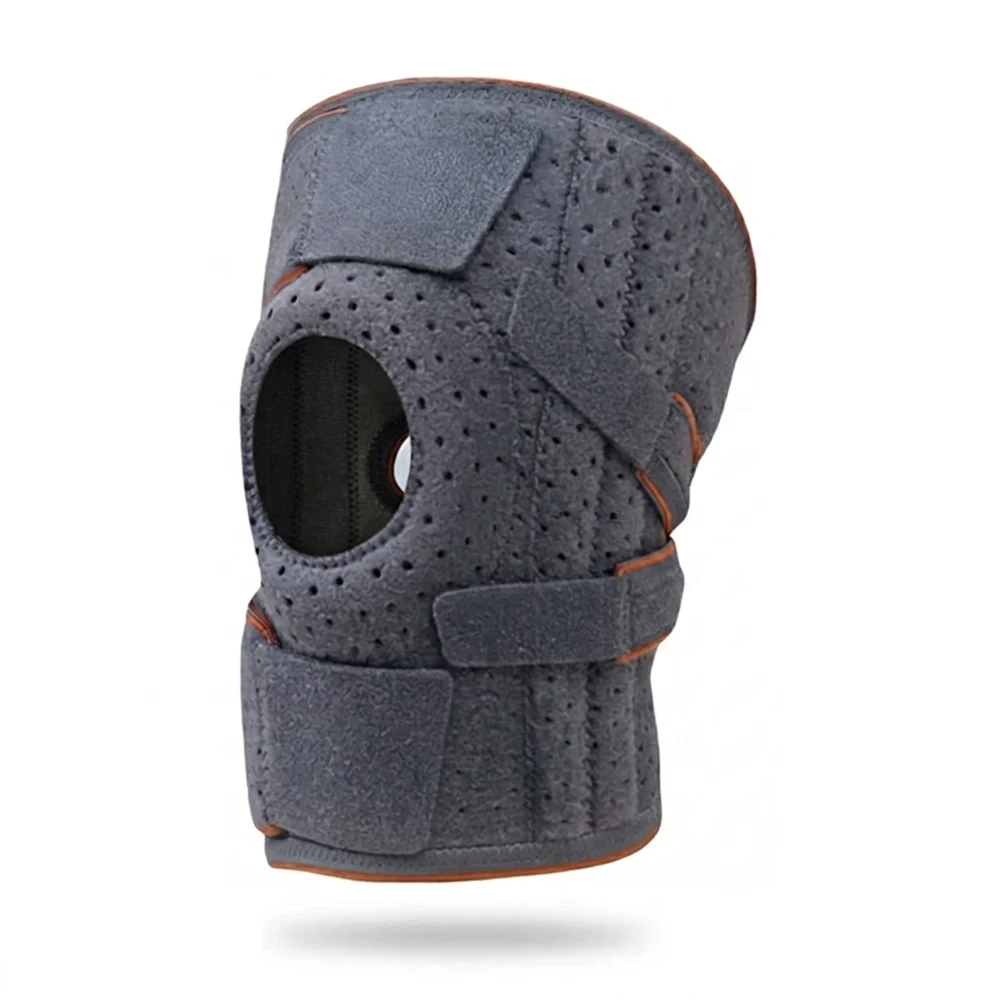 Mentioned in this articleMrjoint Patella Knee BraceFrom $54.95View Details →
Hinged Knee Braces
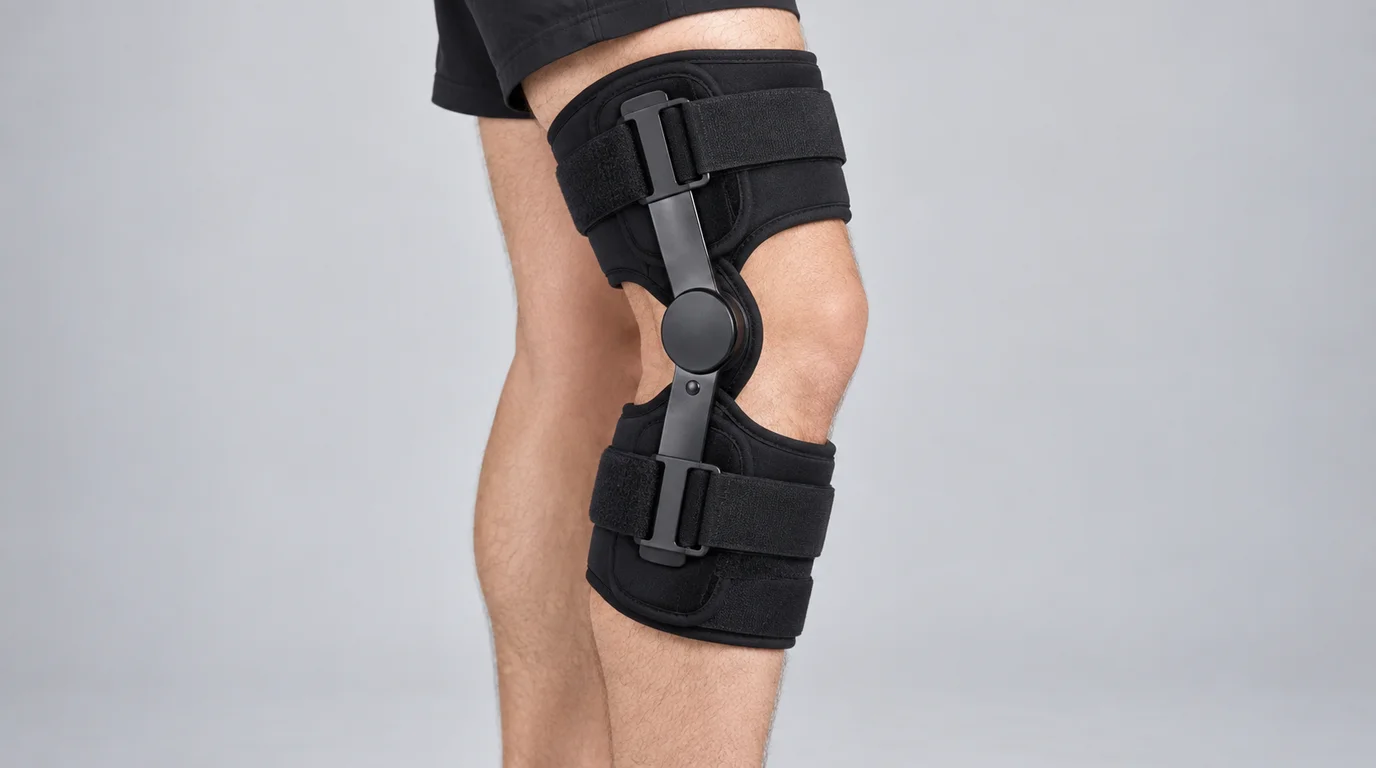
Best for: Ligament injuries (ACL, MCL, PCL), post-surgical recovery
Hinged braces have metal hinges on both sides that allow controlled flexion and extension while preventing side-to-side movement. They're bulkier but provide the highest level of support.
Ideal conditions: ACL/MCL/PCL tears, post-operative recovery, severe instability
Wraparound Braces
Best for: Adjustable fit, swelling that varies throughout the day
Wraparound braces secure with Velcro straps, making them easy to put on and adjust. They're a good choice if your swelling fluctuates, as you can tighten or loosen the fit as needed.
Ideal conditions: Variable swelling, difficulty pulling on a sleeve, knee that changes size throughout the day
Choosing Based on Your Condition
| Condition | Recommended Type | Key Features to Look For |
|---|---|---|
| Mild arthritis | Compression sleeve | Warmth, gentle compression, flexible |
| Moderate arthritis / bone-on-bone | Patella stabilizer | Gel pad, spring stabilizers, open patella |
| ACL/MCL/PCL injury | Hinged brace | Metal hinges, rigid side supports |
| Meniscus tear | Patella stabilizer or hinged | Compression + stability |
| Post-surgery recovery | Hinged or wraparound | Adjustable range of motion |
| Running / exercise prevention | Compression sleeve | Lightweight, breathable, flexible |
| Patella tracking disorder | Patella stabilizer | Open patella design, buttress pad |
How to Get the Right Size
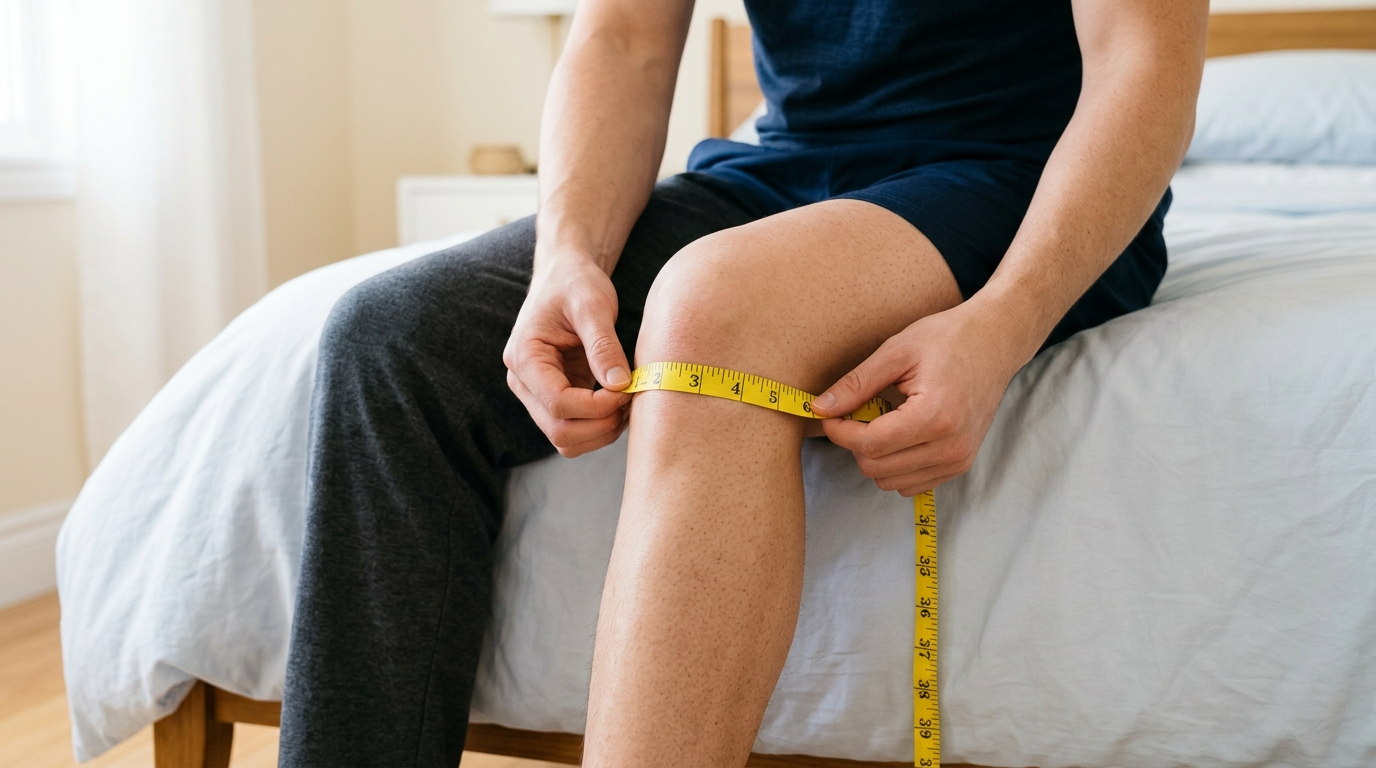
A brace that's too loose won't provide support; too tight and it restricts blood flow. Follow these steps:
- Measure your knee circumference at the center of the kneecap with your leg straight
- Measure 6 inches above and below the kneecap for braces that extend up the thigh or down the calf
- Check the manufacturer's size chart — sizing varies between brands
- When between sizes, choose the smaller size for more support, or the larger size for more comfort
Pro tip: Measure in the morning when swelling is minimal for the most accurate fit.
Key Features to Compare
Material and Breathability
Look for moisture-wicking, breathable fabrics if you plan to wear the brace during exercise or for extended periods. Neoprene provides excellent warmth and compression but can trap heat. Knitted fabrics are more breathable.
Stabilizers
- No stabilizers: Compression only (sleeves)
- Flexible stays: Moderate support, comfortable for daily wear
- Spring stabilizers: Strong lateral support while maintaining flexibility
- Metal hinges: Maximum support, best for ligament injuries
Patella Design
- Closed patella: Full coverage, uniform compression
- Open patella: Reduces pressure on the kneecap, better for patella tracking issues
- Gel pad surround: Cushions and stabilizes the patella specifically
Anti-slip Design
Look for silicone grip strips or textured inner bands that prevent the brace from sliding down during movement. This is especially important for active use.
When to Combine a Brace with Other Treatments

A knee brace is most effective as part of a comprehensive approach:
- Brace + herbal patches: Wear a knee brace during the day for support, and some people apply herbal knee patches in the evening for temporary relief of minor aches
- Brace + exercises: Strengthening the muscles around your knee reduces how much you depend on the brace over time. See our 10 knee strengthening exercises
- Brace + weight management: Every pound of body weight puts roughly four pounds of pressure on your knees, so even modest weight loss meaningfully reduces joint load
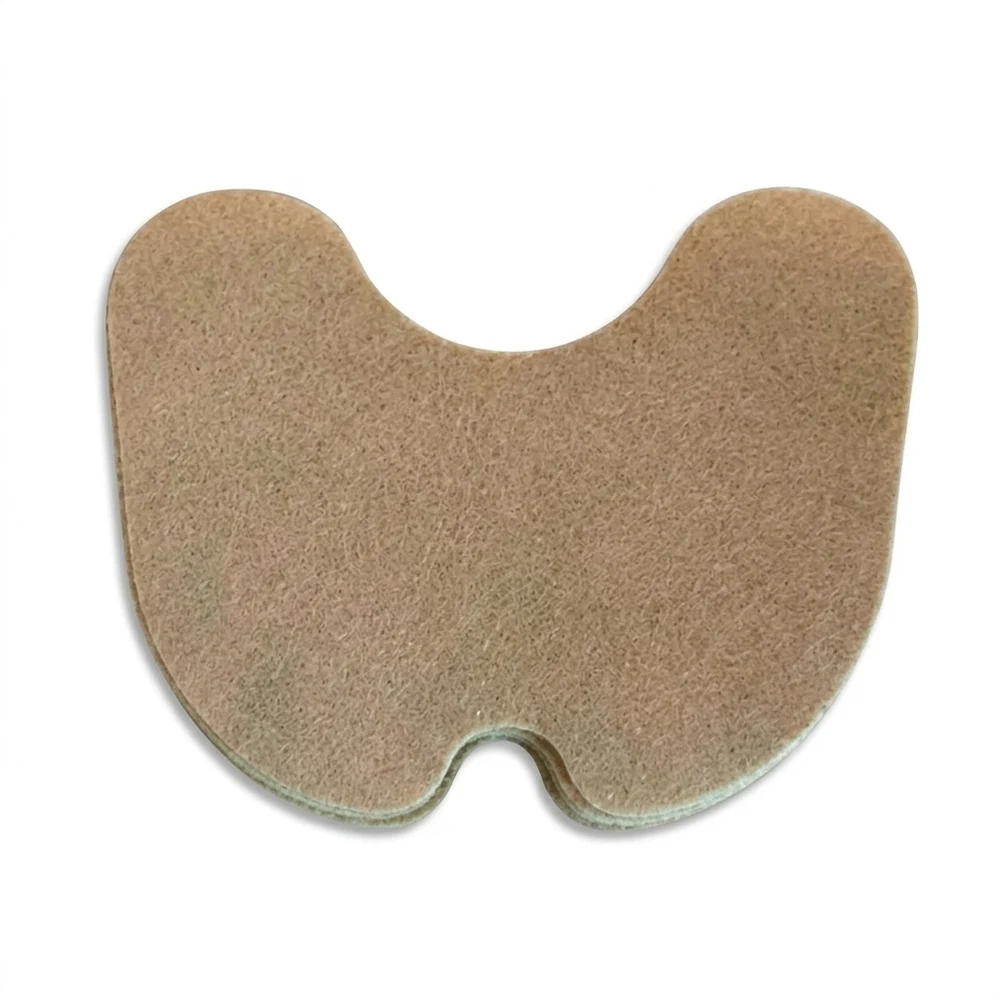 Mentioned in this articleMrjoint Herbal Knee Relief Patches KitFrom $34.99View Details →
When to See a Professional
While a knee brace is an excellent self-care tool, consult a doctor or physical therapist if:
- Your knee locks, gives way, or catches during movement
- You have significant swelling that doesn't improve within a week
- Pain worsens despite wearing a brace
- You're recovering from surgery (your surgeon should recommend the specific brace type)
- You're unsure which type of brace is appropriate for your condition
Our Recommendation
For everyday support, a patella stabilizing brace offers a good balance of support and comfort for many people. The Mrjoint Patella Knee Brace combines a patella gel pad, 4 spring stabilizers, and a breathable compression sleeve for support, compression and stability during everyday activity. It is not a medical treatment; if you have a diagnosed injury or condition — especially a ligament tear, where a rigid hinged brace is usually advised — follow your doctor's or physiotherapist's recommendation.
Related Articles
- 10 Strengthening Exercises To Prevent Knee Pain – Build the muscles that protect your knees.
- 15 Natural Home Remedies For Knee Pain Relief – Complement your brace with natural treatments.
- Mrjoint Knee Relief Patches: Ingredients, Pros & Cons – An in-depth look at herbal patches for knee pain.


