
15 Natural Home Remedies For Knee Pain Relief
Looking for natural ways to ease knee pain at home? Discover 15 home remedies for knee pain and swelling — from ginger and turmeric to Epsom salt soaks.
Published November 1, 2022 · Updated September 24, 2026 · 9 min read
Mrjoint Editorial Team
Knee pain is one of the most common complaints people bring to their doctor, and if your joints have been aching, you're far from alone. Everyday wear, old injuries, and inflammation can all leave the knee stiff and sore.
Maybe you've already seen a doctor about it — or maybe you'd rather start with something you can do at home. Either way, a handful of well-known kitchen and herbal remedies may help take the edge off mild knee pain and swelling.
Below are 15 home remedies worth knowing, how people typically use each one, and the safety caveats to keep in mind. A quick reminder before we start: these are best for mild, occasional aches — anything severe or persistent deserves a proper medical opinion.
Your Knee Pain Treatments at Home - 15 Natural Remedies
15 Natural Remedies
- 1. Ginger
- 2. Turmeric
- 3. Wormwood
- 4. Boswellia
- 5. Lemon
- 6. Cayenne Pepper
- 7. Cloves
- 8. Eucalyptus
- 9. Peppermint
- 10. Mustard oil
- 11. Coconut oil
- 12. Lavender oil
- 13. Rosemary oil
- 14. Garlic
- 15. Epsom salt
1. Ginger
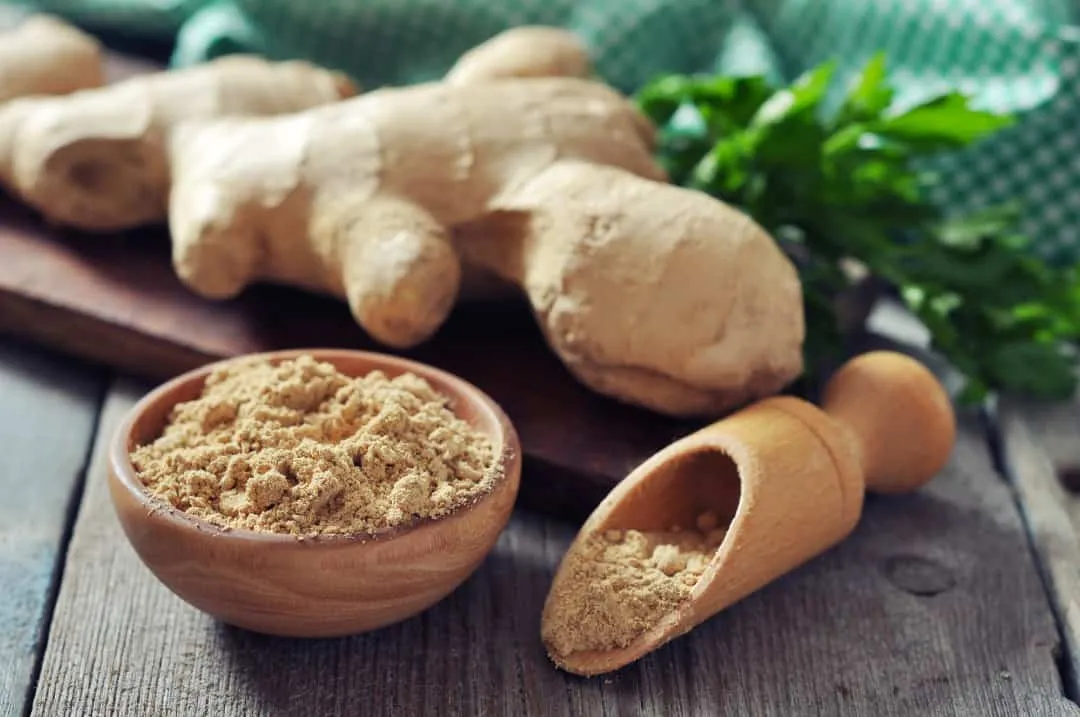
Ginger is a good first stop when knee pain comes from arthritis flare-ups or muscle strain. The same compounds that give it its sharp taste also carry anti-inflammatory and antioxidant activity, which is why it shows up so often in advice for sore joints.
You can use it either way — in your cooking and tea, or applied to the painful area as a warm paste mixed with a little water. Many people find it works best taken consistently over several days rather than as a one-off. Ginger pairs well with milk if you'd rather drink it.
It isn't risk-free, though. Taken in larger amounts it can cause nausea or heartburn, so start small and ease off if your stomach reacts.
2. Turmeric

Turmeric — the yellow spice ground from the plant's roots and a staple of South Asian cooking — is another go-to for inflamed joints. Its active compound, curcumin, is what gives it anti-inflammatory properties and a reputation for supporting the body's response to pain.
The easiest routes are stirring it into food, brewing it as tea, or warming it into milk. If you'd rather not eat it, you can mix it into a paste and apply it directly to the sore knee. MedicalNewsToday has a practical guide to cooking with turmeric if you want to make it part of your meals.
A word of caution: more isn't better. Large amounts can upset your stomach and won't do any extra good for your knee, so use it in moderation.
3. Wormwood
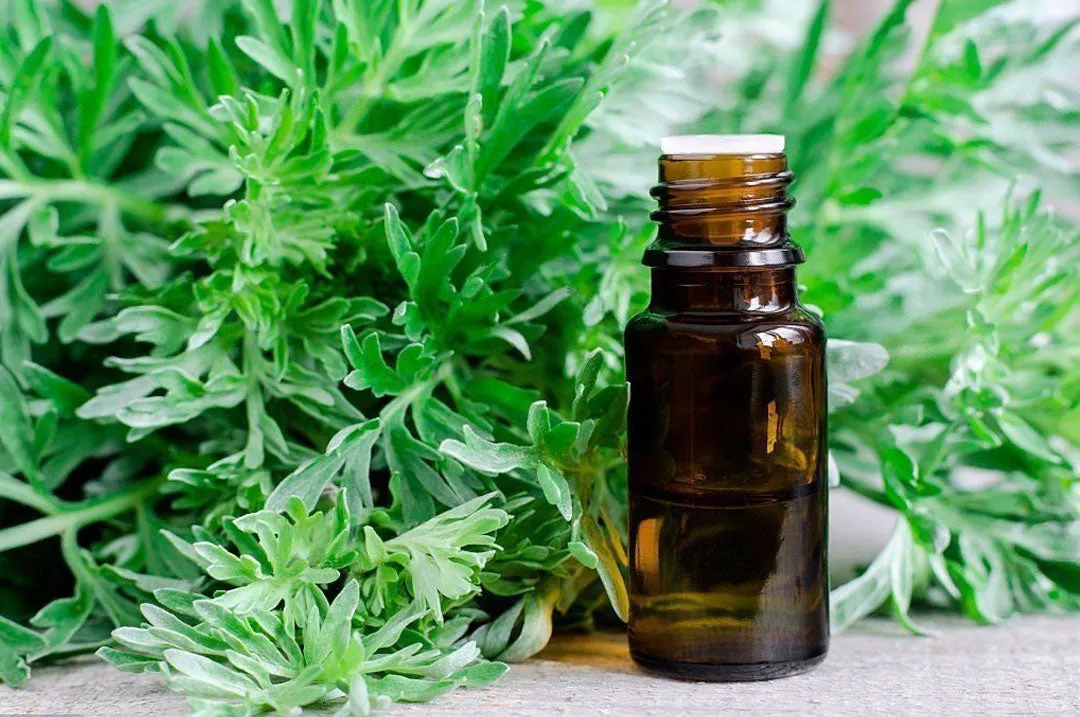
Wormwood has a long history as a remedy for different kinds of pain, including stiff, aching knees, thanks to its anti-inflammatory action.
Research on it is limited, though, and most of what's known comes from traditional use and small or animal studies.
You'll find it as a tincture, a tea, or dried herbs and tablets — it's also the signature botanical in absinthe. Because it isn't suitable for everyone, check with your doctor before starting a wormwood routine.
4. Boswellia
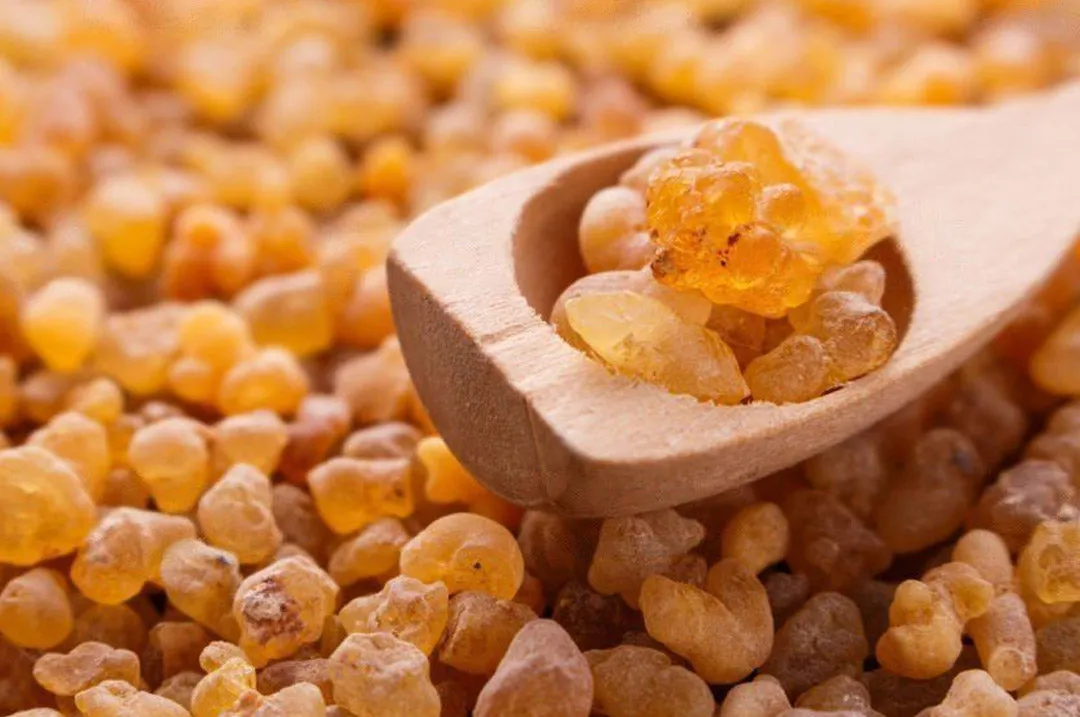
Boswellia is a resin tapped from the Boswellia tree, better known as Indian frankincense. It's been used for its anti-inflammatory properties for centuries, and it's still valued today for easing symptoms tied to rheumatoid arthritis, asthma, and inflammatory bowel conditions.
As an essential oil, its active compounds may help calm inflammation and pain in different areas of the body, not only the knee. Dilute it in a carrier oil and massage it into the sore spot so the compounds can absorb through the skin. Patch-test a small area first to rule out a reaction.
The resin can also be stirred into smoothies or creamy soups. As with wormwood, clear it with your doctor first if you are under medical care.
5. Lemon

Lemon is one of the easiest remedies to reach for. It's rich in citric acid, which may help lower uric acid — a contributor to the kind of arthritis that can leave knees aching. On top of that, lemon's anti-inflammatory qualities may help bring down swelling around the joint.
Most people simply drink it as lemon tea or lemon water. There's also an old topical trick: wrap lemon peels in a cloth with a little warm sesame oil and rest it on the sore knee, repeating it twice a day.
6. Cayenne pepper
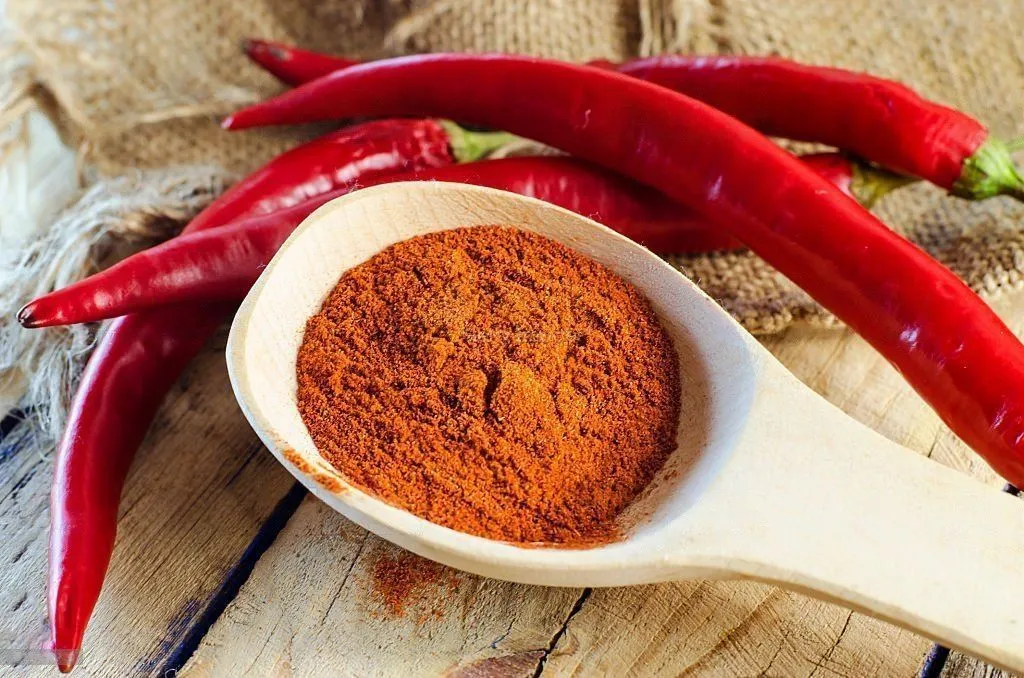
Cayenne pepper earns its place on this list through capsaicin — the compound behind its heat, which is also used in pain-relief creams for the way it dulls pain signals and boosts local circulation.
Like most remedies here, you can eat it or apply it. Work it into a meal as a spice, or make a topical rub by stirring two tablespoons of cayenne powder into half a cup of warm olive oil. Applied to the knee twice a day for about a week, many people notice it takes the edge off. Wash your hands well afterwards and keep it away from your eyes.
7. Cloves
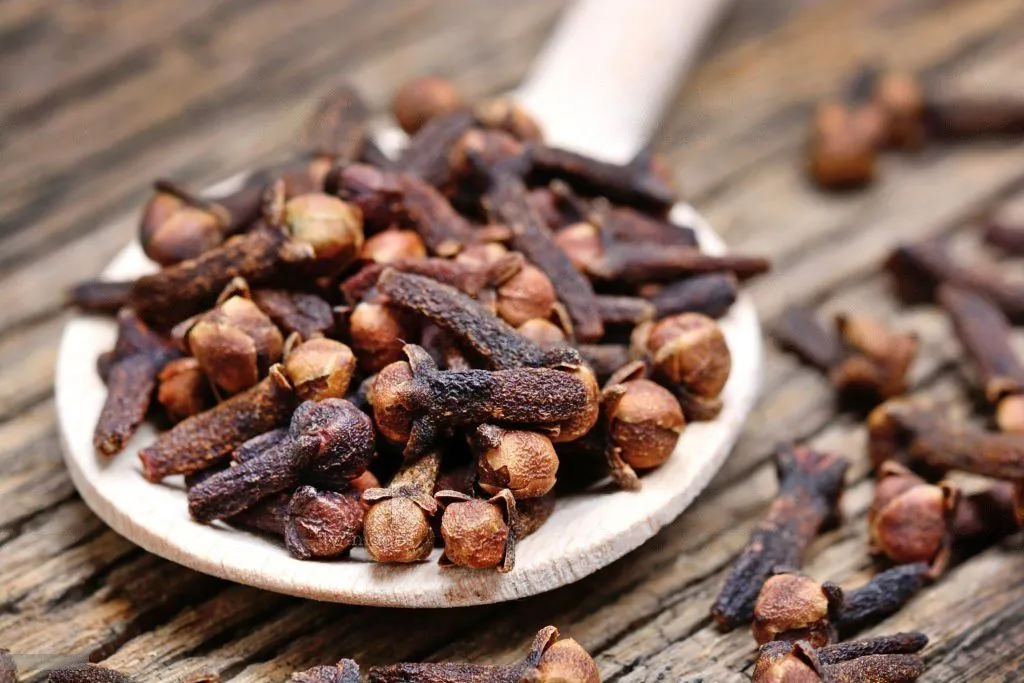
Cloves are rich in eugenol, a compound with anti-inflammatory properties that may help ease arthritis-related pain and swelling. There are two simple ways to work more cloves into your day:
Add two to four cloves to a stew or soup — they lift the flavour while contributing their anti-inflammatory benefit.
Or steep a few cloves in a warm drink, then remove them before you sip.
8. Eucalyptus
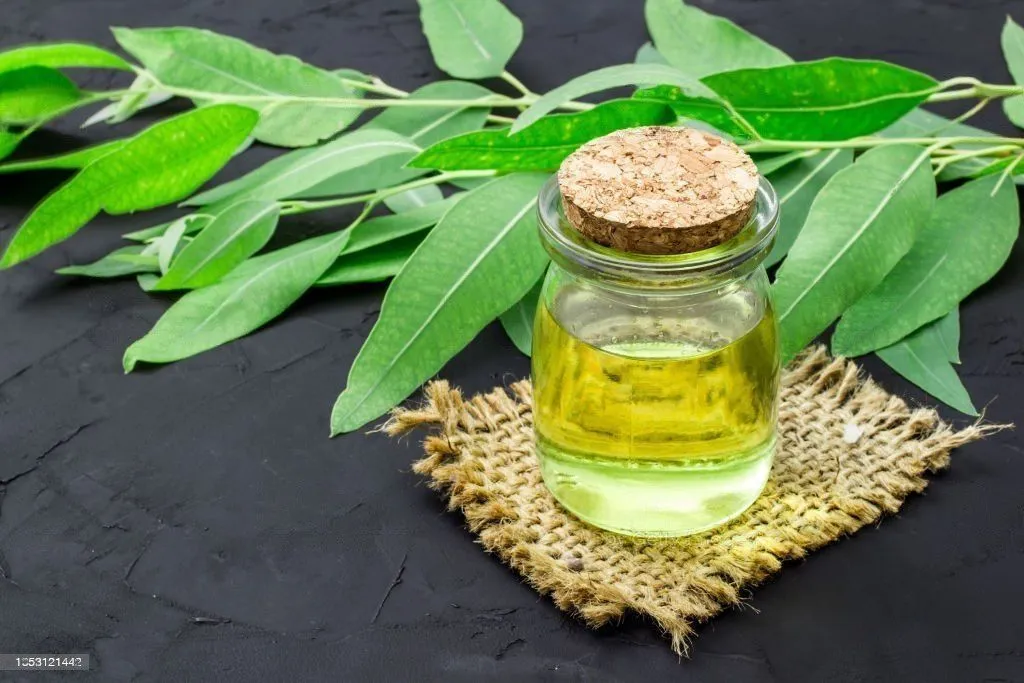
Eucalyptus oil is often used in massage rubs for sore muscles and gives a cooling feel when applied to the skin.
One small study applying eucalyptamint to the forearm found it "produced significant physiologic responses that may be beneficial for pain relief and useful to athletes as a passive form of warm-up."
Always dilute eucalyptus oil before it touches skin. A safe mix is 1–5% eucalyptus oil to 95–99% carrier oil — in practice, one to five drops per ounce of olive or other carrier oil.
9. Peppermint
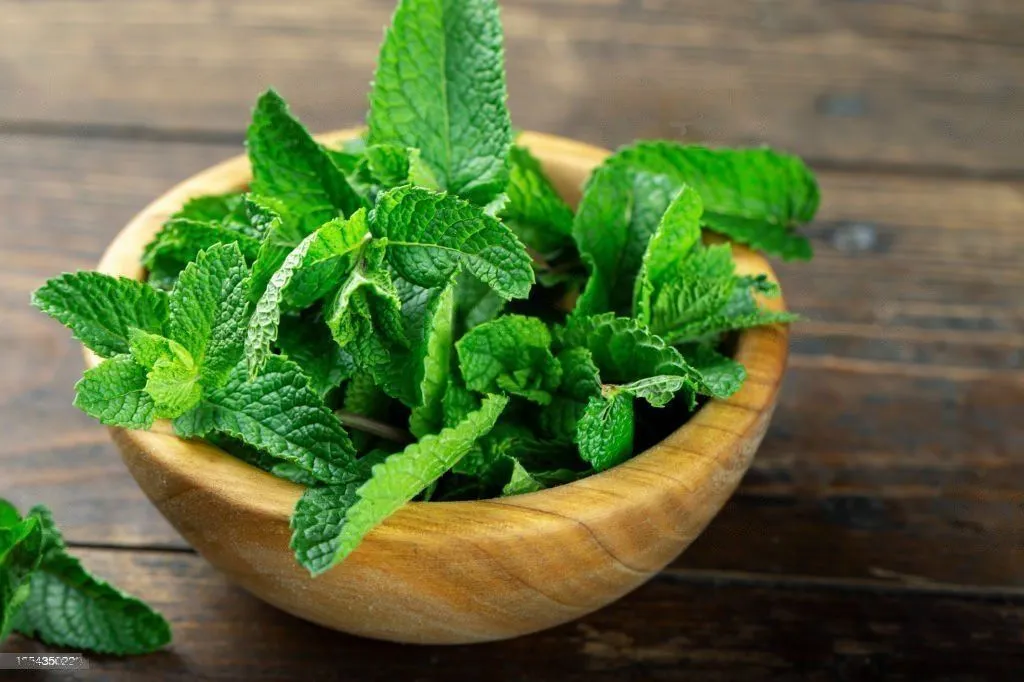
Peppermint has been used to soothe aches for a very long time. It's rich in menthol, which produces that familiar cooling sensation on the skin and may help ease inflammation, swelling, and tension around a sore joint.
Used topically, peppermint essential oil is one of the quicker remedies to provide a soothing effect. As with any essential oil, dilute it before it touches your skin — a few drops mixed into an ounce of carrier oil such as olive, coconut, or jojoba — then massage it into the affected area daily until you feel some relief.
10. Mustard oil
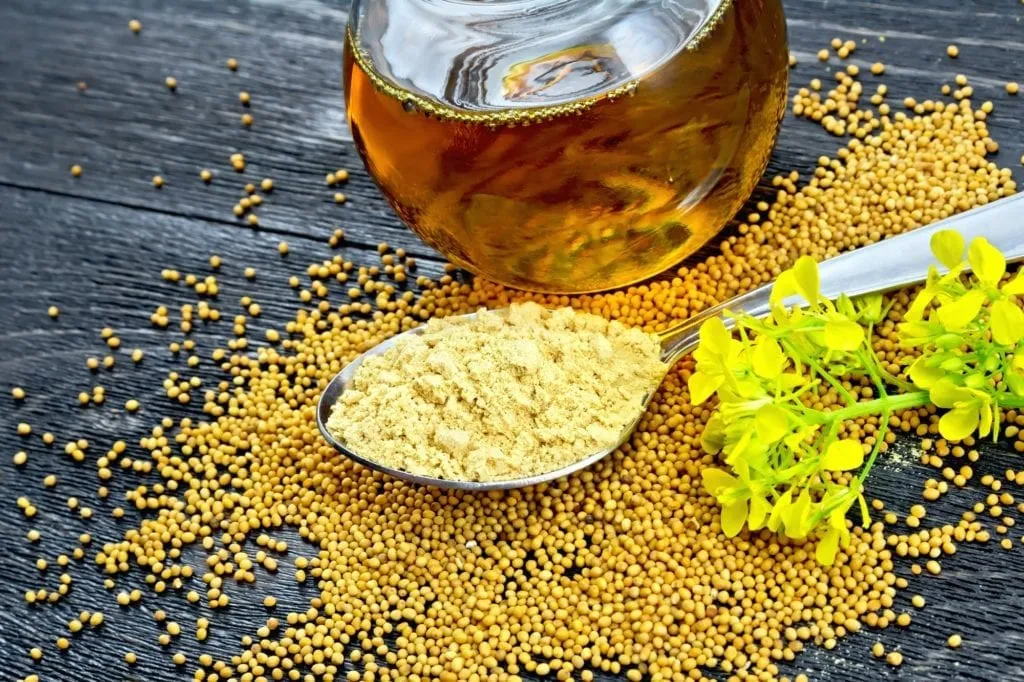
Mustard oil is a traditional choice for aches and swelling, valued mainly for the way it stimulates blood flow to the area you massage it into — which may help ease pain and inflammation in joints and muscles.
For knee pain, a common approach is to warm the oil with a chopped clove of garlic and gently massage the mixture into the sore knee with your palm, repeating it a few times a day.
11. Coconut oil
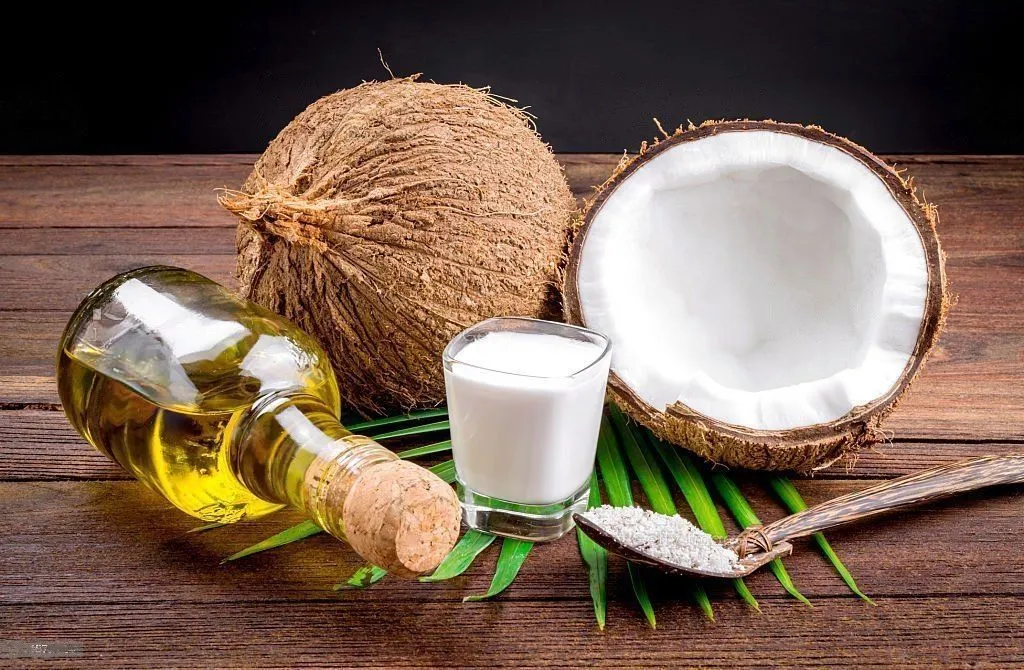
Coconut oil is a genuinely versatile staple, pressed from the dried flesh of the coconut. Gentle and easy to work with, it's a popular base for massaging sore knees and easing muscle cramps.
You can add it to your diet in smoothies or cooked dishes, or use it on the skin — massage it into the knee or apply it with a cloth. As a massage oil it also blends well with other essential oils, and the massage itself helps encourage circulation around the joint.
12. Lavender oil

Lavender oil is best known for relaxation, but it may also help with pain and inflammation. In a 2015 study, diluted lavender oil applied to the skin eased pain in the conditions tested — promising, though one small study isn't the final word.
To try it, mix about ten drops of lavender essential oil into a tablespoon of olive or other carrier oil and massage it into the sore area. Self-massage works well at home, and a professional massage can add to the benefit.
13. Rosemary oil
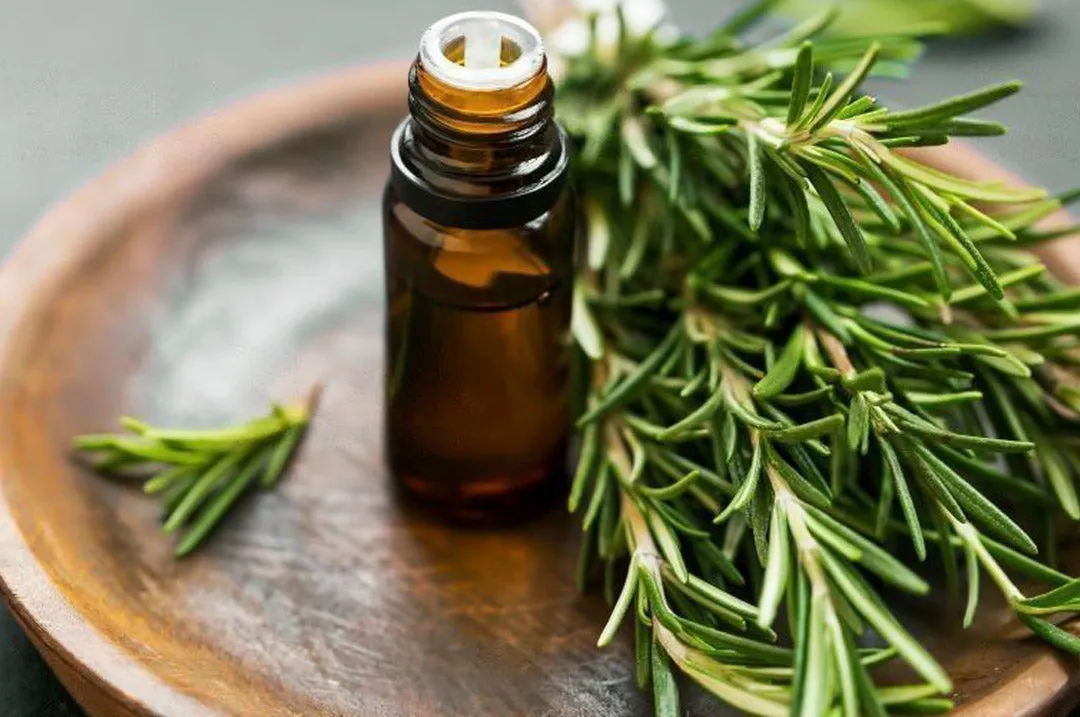
Rosemary oil is used much like the other essential oils here. Rosmarinus officinalis — common rosemary — has traditionally been linked to easing inflammation as well as muscle and bone pain, with some accounts also crediting it for headaches and tension.
For a topical rub, mix three to four drops of rosemary essential oil into an ounce of carrier oil and massage it into the sore knee. As with every oil on this list, do a small patch test first and keep it diluted.
14. Garlic
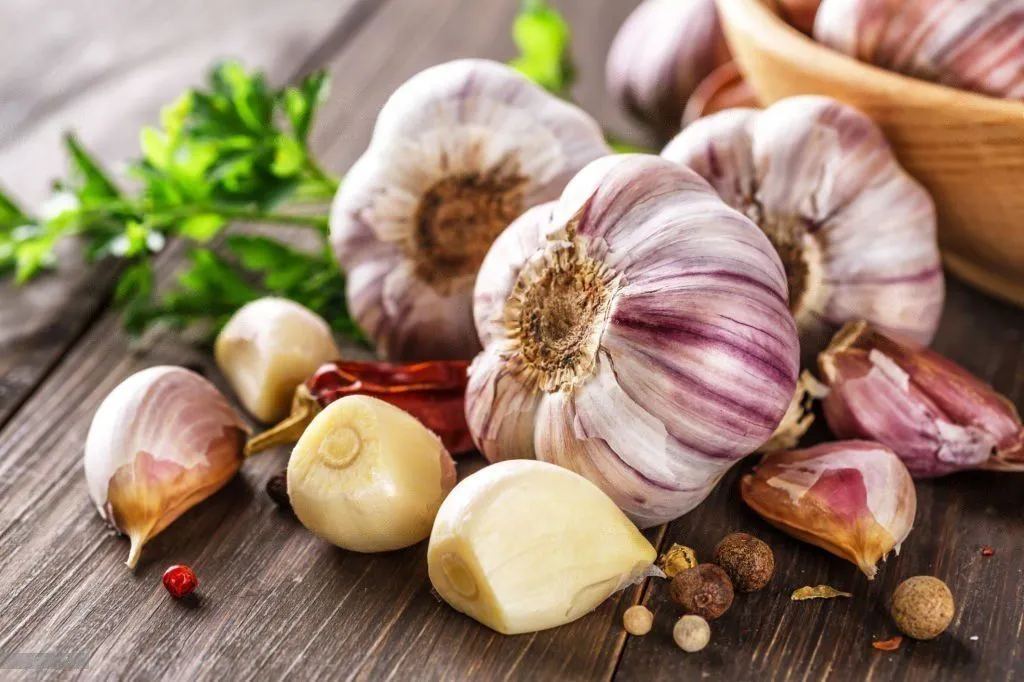
Garlic owes its place here to its sulfur and selenium content, both associated with easing pain in joints and muscles. One quick way to use it topically is to mix warm garlic paste with olive or another carrier oil and apply it to the sore area.
It's just as useful on your plate. Working garlic into your meals alongside other anti-inflammatory fruits and vegetables — aiming for several servings a day — may help keep inflammation, and the discomfort that comes with it, in check.
15. Epsom salt
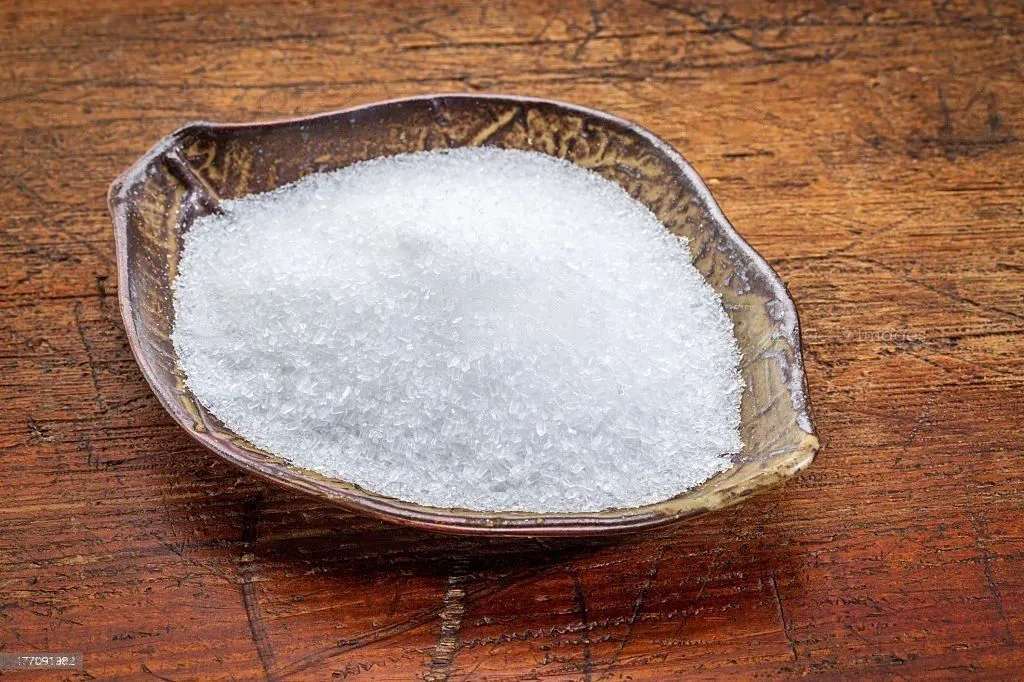
Epsom salt is a classic for sore muscles and joints, thanks to its magnesium and sulfate content — magnesium in particular is associated with easing inflammation throughout the body, the knee included.
The usual way to use it is an Epsom salt bath: warm water helps dissolve the salt and lets your body take it in, while the soak encourages circulation that may ease mild knee aches.
For a good soak, stir a cup of Epsom salt into a warm bath and, if you like, add a few drops of an essential oil such as peppermint, frankincense, or lavender. Twenty to thirty minutes in the evening is plenty — it doubles as a way to unwind and sleep better after a long day.
When to See a Doctor
Natural remedies are best suited to mild aches. If your pain is more severe, follow the treatment your doctor recommends rather than relying on home care alone.
Talk to a doctor if you have severe or persistent pain, a known underlying condition, or pain that appears suddenly without an obvious cause. In those situations a proper diagnosis comes first, so you can follow the right treatment plan instead of guessing.
Complementary Products for Knee Pain Relief
If you'd rather not measure out oils and pastes every day, a topical patch offers a tidier way to put some of these same botanicals to work. Our own herbal knee patch from Mrjoint contains mugwort (Artemisia argyi), peppermint, camphor, wintergreen, capsaicin, speranskia, safflower and ginger. It's meant for temporary relief of minor knee aches and stiffness, with a warming sensation, and without the kitchen prep. Results vary.
If you'd like extra support while you move, the Mrjoint Patella Knee Brace adds compression and stability during everyday activity. As always, these are tools for mild, ongoing discomfort — see a doctor if your pain is severe or persistent.


