
Herbal Knee Pain Relief Patches: Do They Actually Work?
Herbal knee pain relief patches use botanicals like mugwort, menthol and camphor for temporary relief of sore, stiff knees. Here's how they work, what's inside, the side effects, and how to choose one.
Published June 29, 2026 · Updated September 24, 2026 · 8 min read
Mrjoint Editorial Team
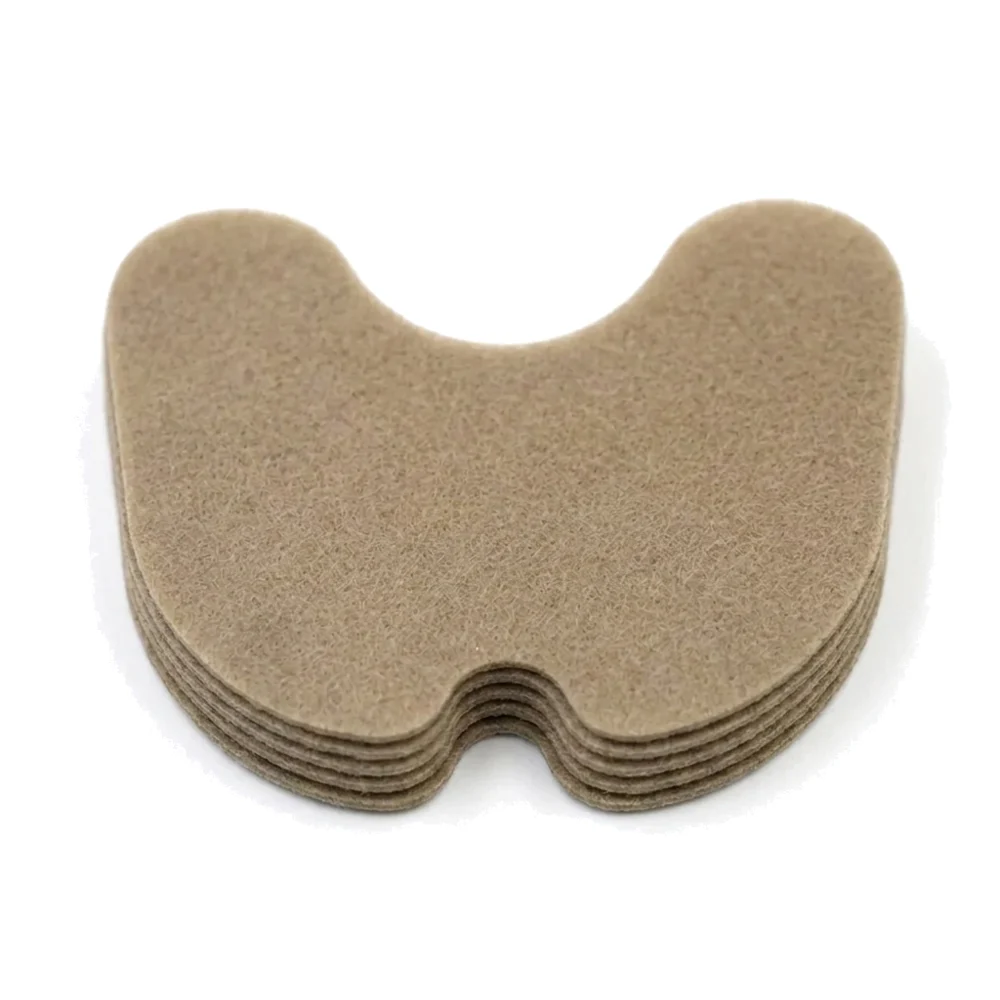
If your knees ache after a long day, a flight of stairs, or just getting older, you've probably wondered whether a herbal knee pain relief patch is worth trying — or whether it's just a sticker with a smell. It's a fair question. These patches promise topical relief from botanicals, but the marketing rarely explains how they work or whether the science backs them up.
So let's do that here. This guide walks through what's inside a herbal knee patch, how it delivers relief, the honest evidence on whether it works, the side effects worth knowing, and how to pick one that isn't all packaging. The most common question we hear is simply "do they actually work?" — so we'll get to that, with citations, not hype.
What Is a Herbal Knee Pain Relief Patch?
A herbal knee pain relief patch is a topical adhesive patch you stick over a sore knee. It carries plant-based ingredients — things like mugwort, menthol, camphor, and ginger — held against the skin right where it hurts.
The idea isn't new. Traditional Chinese medicine has used herbal plasters for joint and muscle aches for centuries, and a lot of today's patches are modern versions of that approach. What's changed is the delivery: a thin, flexible, breathable layer that stays put on a moving joint and releases its ingredients over hours.
The appeal is straightforward. A patch stays on one specific joint for hours, there is nothing to rub in, and you can wear it discreetly under clothing. Patches like the Mrjoint Knee Relief Patches sit in this category — herbal, topical, and meant for everyday soreness rather than serious injury.
How Do Herbal Knee Patches Work?
Two things are happening at once.
First, skin contact. The patch holds its botanicals against warm skin for hours, and body heat helps release them right where the patch sits. Because it stays in one place, you get a steady, localized sensation instead of something you have to keep reapplying.
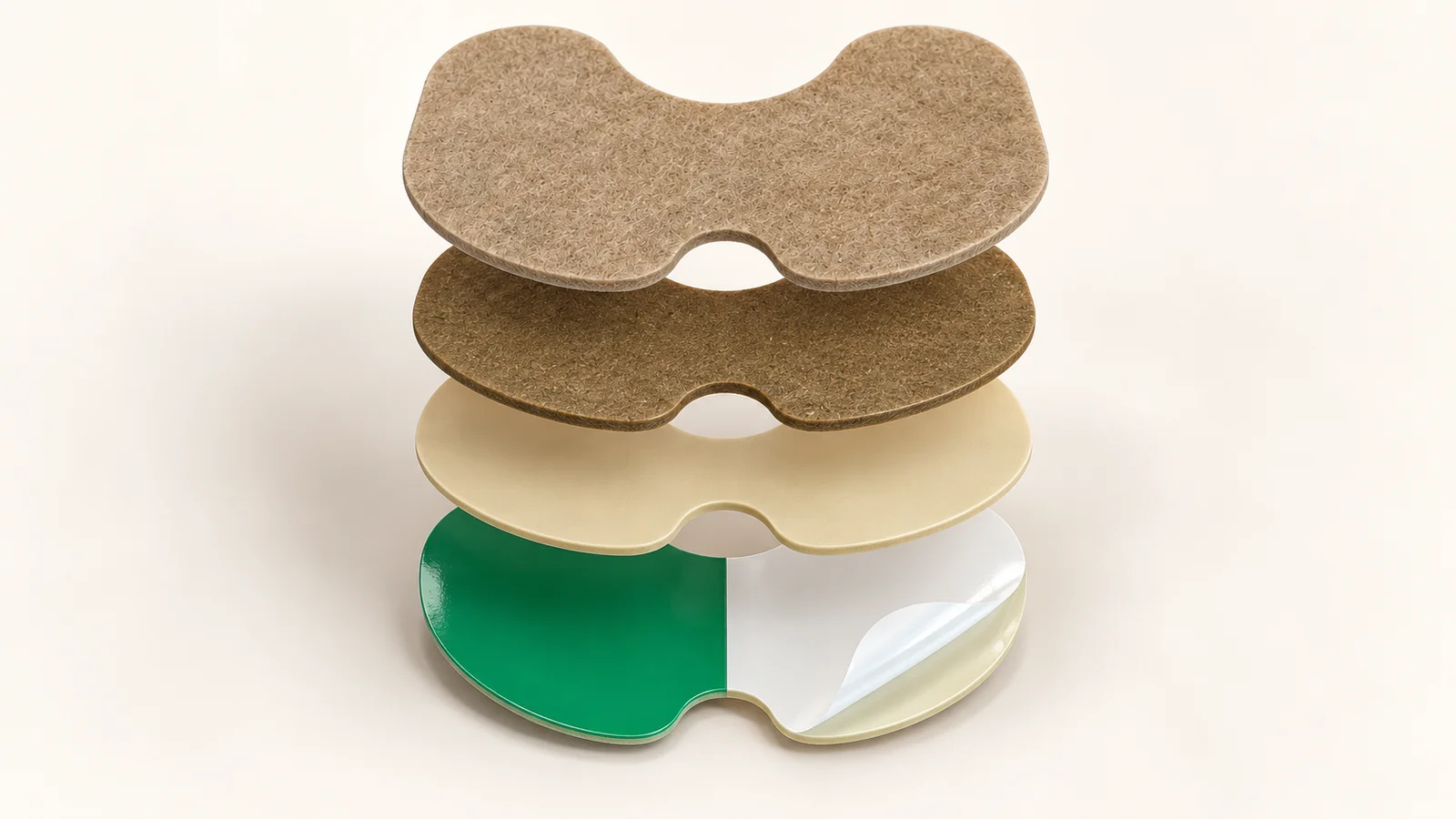
Second, counter-irritation. Ingredients like menthol and capsaicin create a cooling or warming sensation on the skin. That sensation competes with the pain signal travelling to your brain — a well-documented mechanism behind many warming and cooling rubs. It doesn't repair anything; it changes how much pain you notice while the patch is on.
Good patches are built in layers: an adhesive that grips without tearing skin, a medicated middle layer that holds the actives, and a breathable backing so you can wear it through a workday or a night's sleep. That construction is the difference between a patch that works for ten hours and one that peels off in two.
What's Inside — The Key Botanical Ingredients
This is where herbal patches earn — or lose — your trust. "Herbal" means nothing on its own. The ingredient list is what matters.
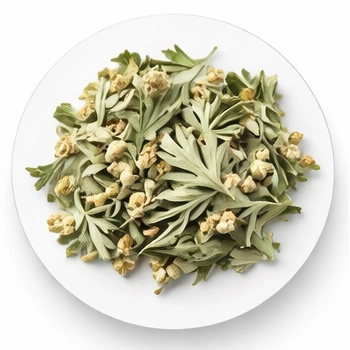
A few ingredients show up again and again because there's a reason behind them:
- Mugwort (Artemisia argyi). The herb burned in traditional moxibustion ("moxa"), valued in Chinese medicine for its warming quality.
- Menthol. The cooling agent. It triggers cold receptors in the skin and is one of the most common ingredients in cooling rubs and patches.
- Capsaicin. The heat compound from chili peppers, long used in topical rubs for joint and muscle aches. It creates a warming sensation and, with repeated use, dulls the local nerve endings' response.
- Camphor and wintergreen. Classic warming counter-irritants that add to the soothing sensation.
- Ginger, safflower, and peppermint. Botanicals traditionally used for warmth and circulation.
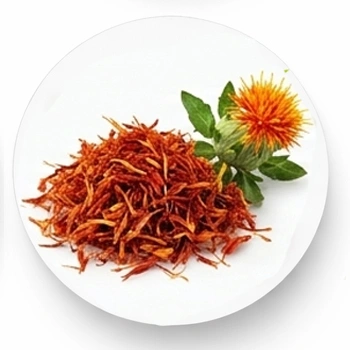
Several of these — ginger, turmeric, peppermint — overlap with the kitchen-cupboard fixes we cover in our guide to natural home remedies for knee pain. A patch just delivers them in a steadier, hands-free way.
Do Herbal Knee Patches Actually Work?
Here's the honest version.
For mild, everyday knee soreness — the kind that follows overuse or a long day on your feet — some people find a patch takes the edge off for a while; others notice little. The research is on individual ingredients rather than finished herbal patches: topical capsaicin and menthol have a long record in minor joint and muscle aches. Results vary.
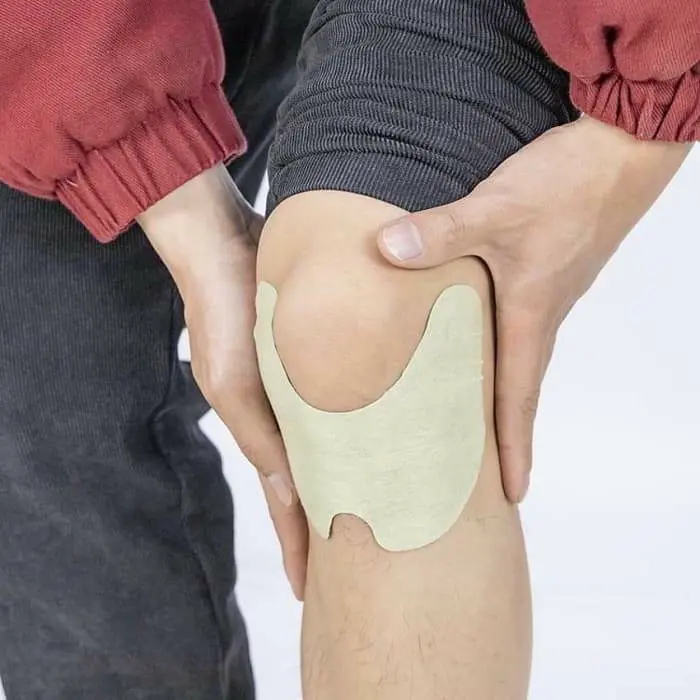
But set expectations honestly. A patch will not regrow cartilage, realign a joint, or fix a torn ligament. If your pain is severe, swelling won't go down, or it's keeping you awake, that's a doctor's visit, not a patch. The relief is real but temporary — it manages symptoms while the patch is working.
That gap between "helps me get through the day" and "cures my knee" is exactly where a lot of online reviews argue past each other. If you want to see how that plays out for one specific product, our Mrjoint Knee Relief Patches review digs into the pros, the cons, and who they actually suit.
Benefits Compared With Creams and Braces
A patch isn't the only way to handle knee pain. It's worth seeing where it fits.
| Option | Best for | Trade-off |
|---|---|---|
| Herbal knee patch | Localized, pill-free daytime or overnight relief | Temporary; works on symptoms, not the cause |
| Creams and gels | Quick to spread over a larger area | Needs reapplying; can be greasy |
| Knee brace | Stability and support during activity | Supports the joint but doesn't relieve pain by itself |
The three aren't rivals. Plenty of people wear a knee brace for stability during the day and a herbal patch in the evening — and if you're choosing support, our guide on how to choose the right knee brace covers the types. The patch's real edge is that it's topical and targeted, which makes it an easy thing to add to your daily routine.
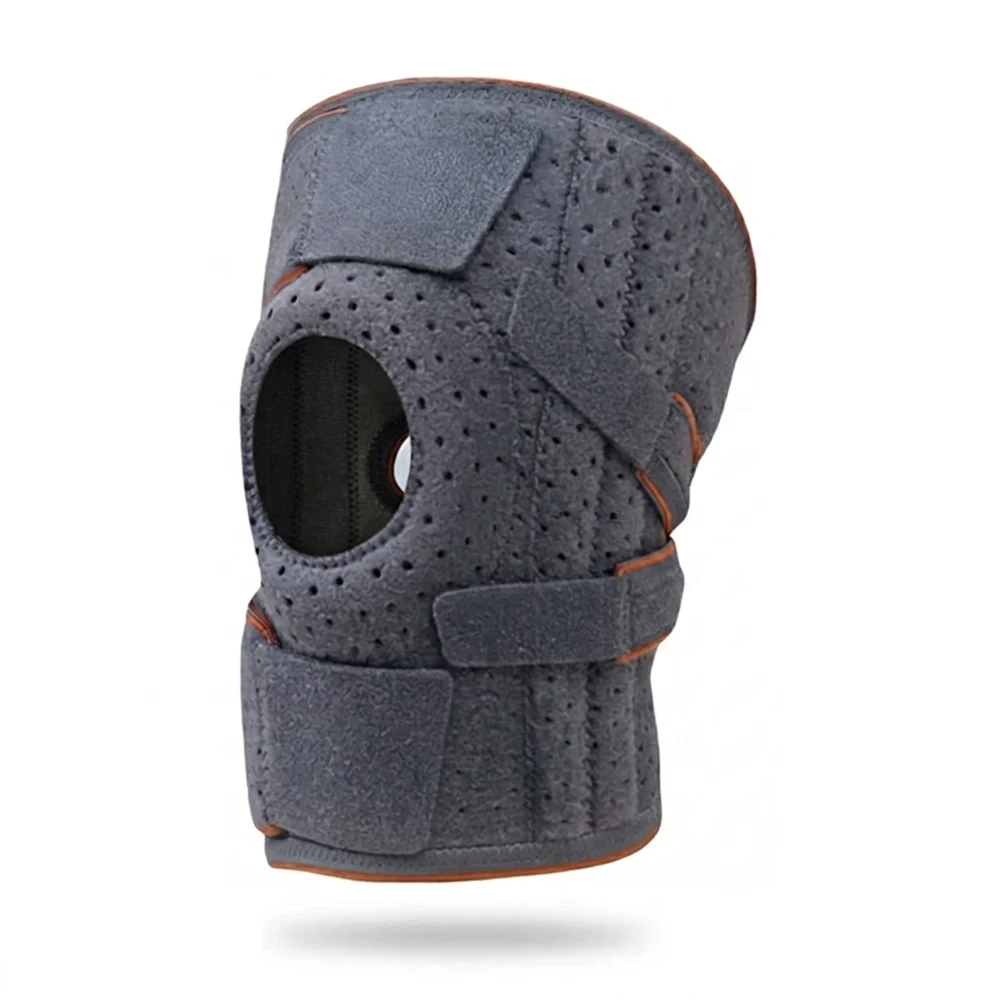 Mentioned in this articleMrjoint Patella Knee BraceFrom $54.95View Details →
Side Effects and Safety
Herbal doesn't automatically mean risk-free.
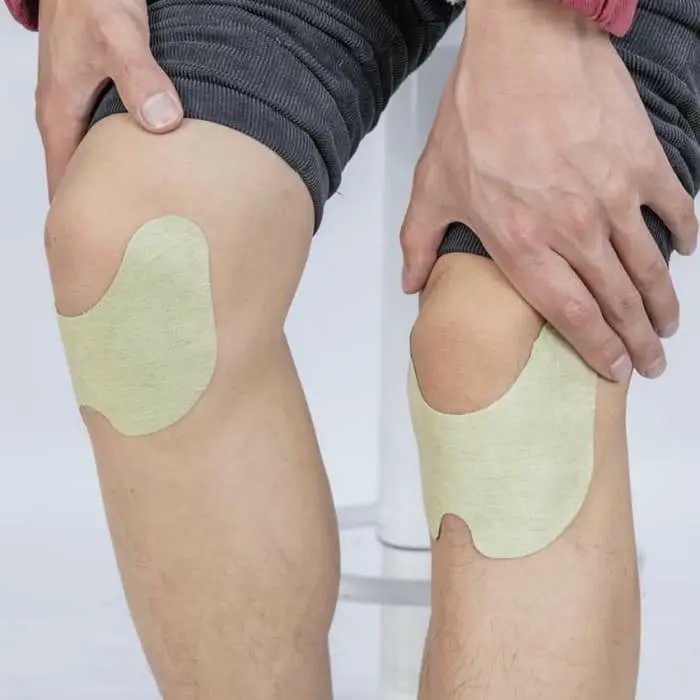
The most common problem is skin reaction — redness, itching, or a mild rash where the patch sat. Warming actives like capsaicin can sting on sensitive skin, and that's normal in small amounts but a reason to stop if it spreads.
A short checklist before you use one:
- Never apply a patch to broken, irritated, or sunburned skin.
- Skip any patch with a botanical you're allergic to — read the full list.
- If you're pregnant or breastfeeding, ask a doctor first.
- Managing a health condition or under medical care? Check with your doctor before you start.
- Stop and remove the patch if irritation gets worse instead of better.
None of this is meant to scare you off. But "may help" is the honest phrase, and persistent or severe knee pain still deserves a proper medical opinion rather than another patch.
How to Choose a Good Herbal Knee Patch
The market is crowded, and a lot of patches lean harder on packaging than on what's inside. A few things separate the decent ones from the filler.
- Ingredient transparency. A real brand lists its actives and rough amounts. Vague "ancient herbal blend" with no specifics is a red flag.
- Recognized actives. Look for named ingredients you can look up — menthol, camphor, capsaicin, methyl salicylate (wintergreen) — not a long list of fillers.
- Wear time and adhesion. A patch that survives 8 to 12 hours and a few flights of stairs beats one that curls off after lunch.
- Breathable, flexible backing. Your knee bends constantly. Stiff patches lift at the edges.
- Honest claims. A patch that promises to "cure arthritis" is overselling. One that promises to ease soreness is being straight with you.
You'll find plenty of TCM-style "Testsieger" lists and forum threads ranking brands. Use them, but read the ingredient list yourself — that's the part the rankings often skip.
How to Use a Knee Patch (Step by Step)
Application is simple, but a few details decide whether it sticks and works.
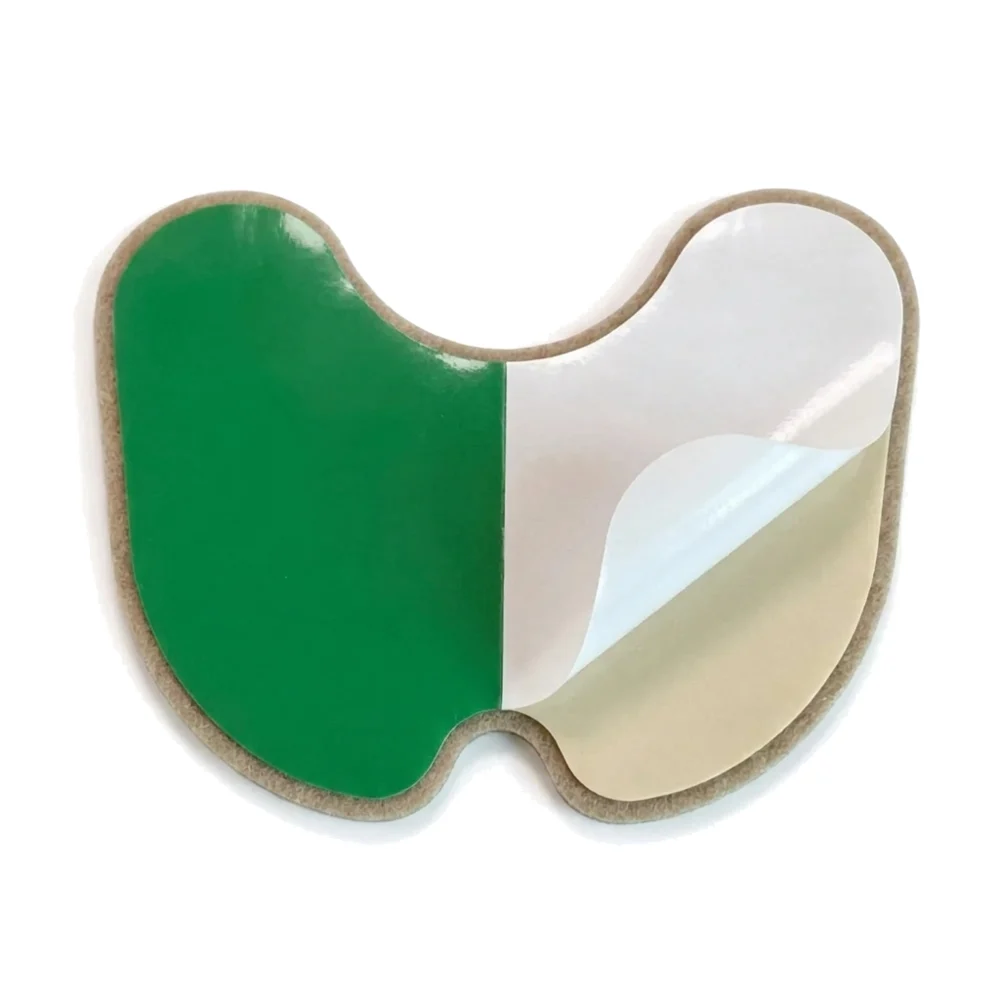
- Clean and dry the skin. Patches adhere and absorb better without lotion, sweat, or oil.
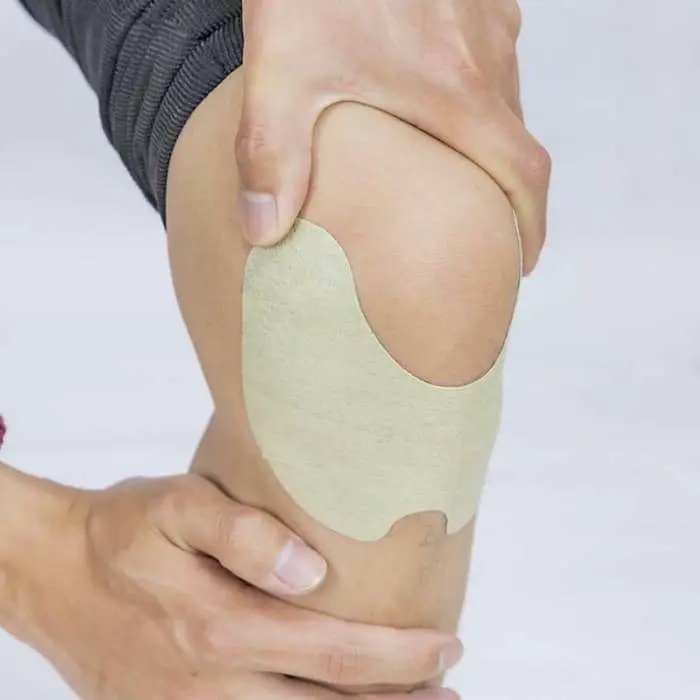
- Position over the sore spot. Place it just below or beside the kneecap, not on the bony cap itself.
- Smooth it down from the center out, pressing away any air pockets or creases.
- Wear it for the recommended window — usually 8 to 12 hours. Overnight wear lines the relief up with morning stiffness.
- Remove slowly in the direction of hair growth, and give your skin a rest day if it looks red.
The Mrjoint Herbal Knee Relief Patch
If you've read this far, you're looking for a patch that does the basics right. That's the bar the Mrjoint Knee Relief Patches Kit is built to clear: a herbal, topical formula with eight named botanicals — mugwort (Artemisia argyi), peppermint, camphor, wintergreen, capsaicin, speranskia, safflower and ginger — in a breathable patch designed for hours of wear.
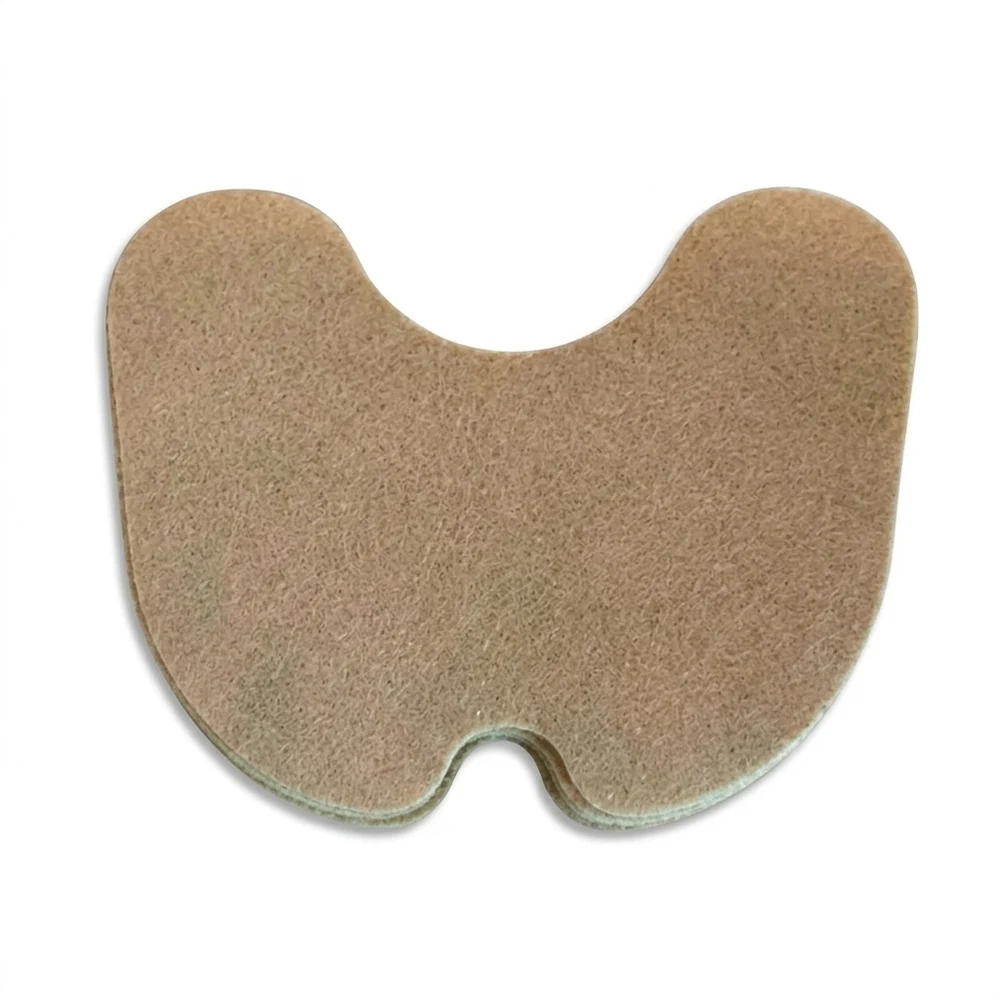 Mentioned in this articleMrjoint Herbal Knee Relief Patches KitFrom $34.99View Details →
It's not magic, and we won't pretend it is. It's a topical option for temporary relief of minor knee aches and stiffness, with a warming sensation — easy to apply and discreet under clothing. Results vary, and it doesn't replace medical care. Buying from the official Mrjoint store also means you get the genuine product and support, rather than a counterfeit from a marketplace listing. If you'd rather weigh it up first, the full hands-on review is the place to start.
Frequently Asked Questions
Do herbal knee pain relief patches actually work? For mild, everyday soreness, some people find them helpful for temporary relief; results vary. The cooling or warming sensation comes from ingredients like menthol, camphor and capsaicin. They don't reverse structural damage.
What's actually inside a herbal knee patch? Commonly mugwort, menthol, camphor, capsaicin, ginger, safflower, and peppermint. Read the label, because "herbal" alone tells you nothing.
Are there side effects? Mainly mild skin irritation. Avoid broken skin, skip botanicals you're allergic to, and check with a doctor if you're pregnant or under medical care.
How long until it works? You may feel a cooling or warming sensation within about 20 to 40 minutes; how much it helps varies from person to person.
References
- Knee pain diagnosis and treatment, including topical options — Mayo Clinic
- Complementary and herbal approaches to joint pain — National Center for Complementary and Integrative Health (NCCIH)
This article is for general information and isn't a substitute for medical advice. If your knee pain is severe or persistent, please consult a healthcare professional.


