
The Best Back Pain Patches: A Natural, Drug-Free Buying Guide (2026)
Compare the best back pain patches — natural herbal options versus lidocaine and OTC drug patches — and learn how to choose drug-free relief that actually works for your back.
Published March 1, 2023 · Updated June 25, 2026
 Michael Maner · Senior Editor
If back pain has ever made it hard to sit at your desk, sleep through the night, or get through a workout, you already know how much you want it gone — without leaning on pills. Back pain patches have become one of the most popular drug-free ways to manage that pain, but they are not all the same. Some rely on pharmaceutical drugs like lidocaine or diclofenac, while others use natural herbal ingredients that work without entering your bloodstream. This guide breaks down how the best back pain patches actually work, how natural and herbal options compare to drug patches, and how to choose the right one for your type of back pain.
Contents
- Do Back Pain Patches Actually Work?
- Natural Herbal Patches vs Lidocaine and Drug Patches
- What to Look for in the Best Back Pain Patch
- How Herbal Back Pain Patches Work
- The Best Back Pain Patches by Type of Pain
- How to Use a Back Pain Patch Safely
- Our Top Natural Back Pain Patches
- Frequently Asked Questions
Do Back Pain Patches Actually Work?
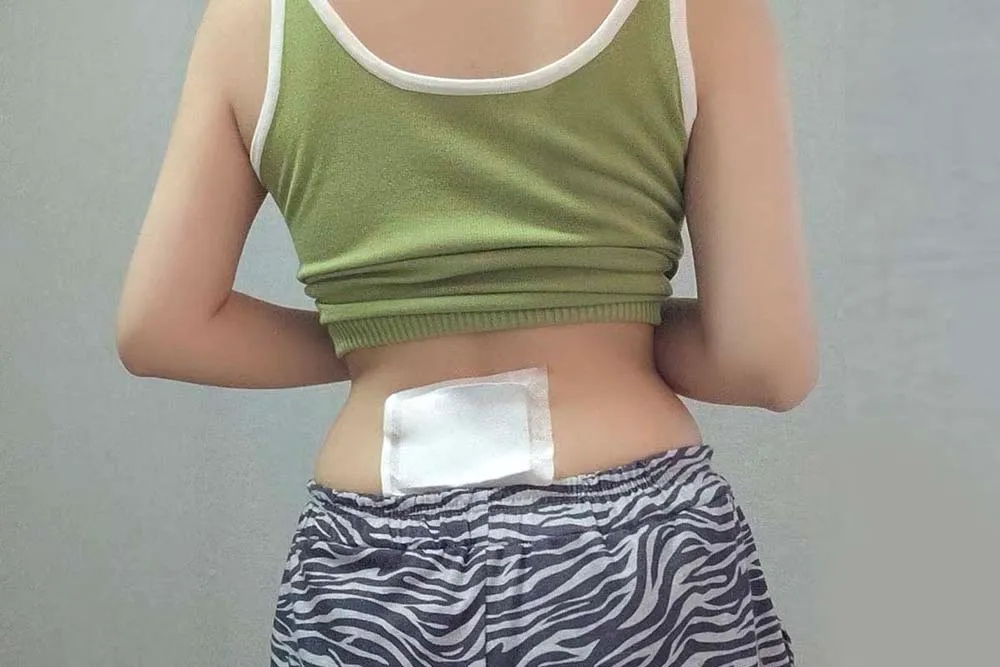
Yes — for many people, back pain patches provide real, targeted relief, and research on several of their active ingredients supports this. A patch holds active compounds against your skin and releases them slowly into the muscle and tissue directly beneath it, so relief is concentrated where it hurts instead of being spread through your whole system like an oral painkiller.
How well a patch works depends on what is in it and the kind of pain you have. Patches tend to perform best on localized, inflammation-driven pain — muscle strain, lumbar stiffness, and everyday soreness — and less well on pain caused by serious structural problems. For ingredient-driven relief, natural options like wormwood and safflower have been studied for their anti-inflammatory effects, while drug patches rely on compounds like lidocaine to numb the area. Most people feel something within 30 to 90 minutes, with the fullest effect building over a few days of consistent use.
Natural Herbal Patches vs Lidocaine and Drug Patches
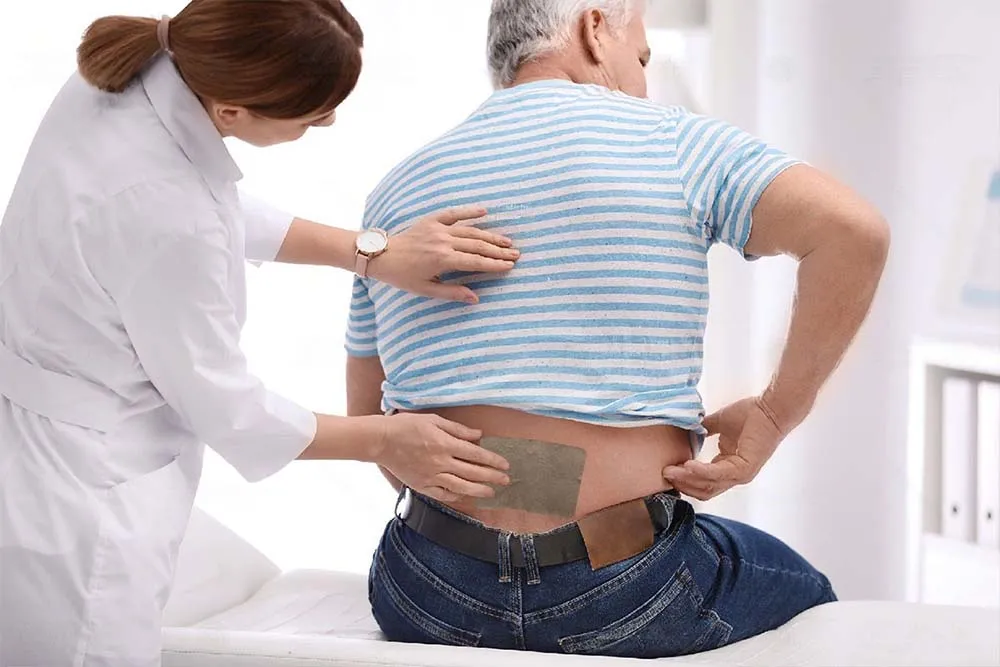
The biggest decision when buying a back pain patch is whether you want a natural herbal patch or a drug-based patch. They relieve pain in fundamentally different ways.
Natural and herbal patches use plant-based actives — such as wormwood, safflower, and other traditional botanicals — to calm inflammation locally. Because the ingredients work in the tissue right under the patch and are not absorbed into the bloodstream, they avoid the stomach and systemic side effects associated with oral medication, which makes them well suited to daily, long-term use.
Lidocaine and other drug patches (lidocaine, diclofenac, methyl salicylate) work by numbing the area or chemically blocking pain and inflammation signals. They can be effective, but they are medicated products with dosage limits, potential drug interactions, and the usual cautions that come with any medication.
| Natural / Herbal Patches | Lidocaine & OTC Drug Patches | |
|---|---|---|
| How it works | Plant actives calm inflammation locally | Numbing / drug blocks pain signals |
| Absorption | Works in local tissue, not the bloodstream | Medication absorbed at the site |
| Daily long-term use | Generally well suited | Dosage limits / cautions apply |
| Best for | Everyday and chronic herbal-friendly relief | Acute numbing relief |
If you want relief you can use every day without pills, a natural back pain patch is usually the better starting point.
What to Look for in the Best Back Pain Patch
Not every patch is worth your money. These are the things that separate a genuinely good back pain patch from a forgettable one:
- Transparent ingredients. The label should list exactly what is in the patch and in what concentration — vague "proprietary blends" are a red flag.
- Evidence behind the actives. The best patches use ingredients with real research behind their anti-inflammatory or pain-relieving effects, not just marketing claims.
- Targeted, local action. Good patches concentrate relief where you apply them rather than promising whole-body miracles.
- Honest claims. No patch cures back pain permanently; trustworthy brands are clear about what their product can and cannot do.
- Easy to wear. A good patch is thin, sticks through a full day of movement, and peels off cleanly.
- Skin-friendly and low side-effect. Look for patches that are gentle on skin and free of the systemic side effects that come with oral drugs.
- Fair value. Compare the real cost per patch across bundle sizes, not just the sticker price.
How Herbal Back Pain Patches Work
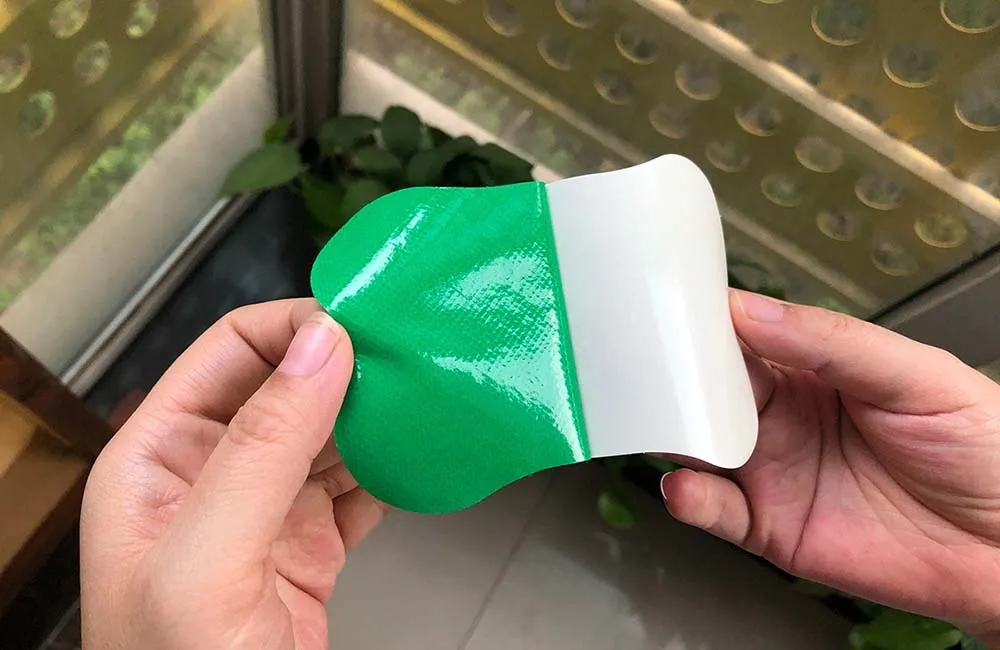
A herbal back pain patch is built around a few simple layers: a protective film you peel off before use, an adhesive that holds it in place, and a herb-infused layer that sits against your skin and releases its active compounds over time.

Once applied, the patch works in stages: your skin warms the herbal layer, the active compounds are released and penetrate the outer skin, and they then act on the inflamed muscle and tissue directly beneath the patch. Crucially, this all happens locally — the herbal actives work in the tissue at the site of pain rather than being carried through your bloodstream, which is exactly why drug-free herbal patches avoid the stomach-related side effects common with oral painkillers.
The Best Back Pain Patches by Type of Pain
The "best" patch depends on where and how badly your back hurts.
- Everyday lower back pain and stiffness. For general lower-back soreness, desk-job stiffness, and mild-to-moderate muscle strain, a standard herbal patch is usually enough. Mrjoint Back Pain Patches are designed for exactly this kind of daily lower-back relief. For more ideas, see our guide to natural ways to relieve lower back pain.
- Severe, chronic, or sciatic pain. If standard patches aren't enough — or your pain radiates from the lower back down into the leg — a higher-concentration patch makes more sense. Mrjoint 3x Strength Back Pain Relief Patches are built for severe, chronic, and sciatic back pain. Learn more about sciatica pain relief.
- Pain that reaches the neck and shoulders. When back tension creeps up into the neck and shoulders, a patch shaped for that area works better. Mrjoint Pain Relief Patch for Neck & Shoulder targets that region.
How to Use a Back Pain Patch Safely

Getting the most out of a back pain patch comes down to a few simple steps:
- Start with clean, dry skin. Wash and dry the area, and make sure there are no cuts or irritation where the patch will go.
- Apply firmly. Peel off the protective film, press the patch onto the painful area, and smooth it from the center outward so it sticks evenly.
- Wear it for the recommended time. Most patches are made for up to 8–12 hours of wear, including overnight — follow the time on the packaging and don't double up beyond what's recommended.
- Keep it away from extra heat. Direct sun, heating pads, or heated car seats can change how the patch performs.
- Remove gently and rest the skin. Peel it off slowly, fold it inward, and let the skin breathe before applying a fresh one.
Back pain patches are very safe when used as directed, but it's always wise to check with a doctor if you are pregnant, have sensitive skin, or are managing a diagnosed back condition.
Our Top Natural Back Pain Patches
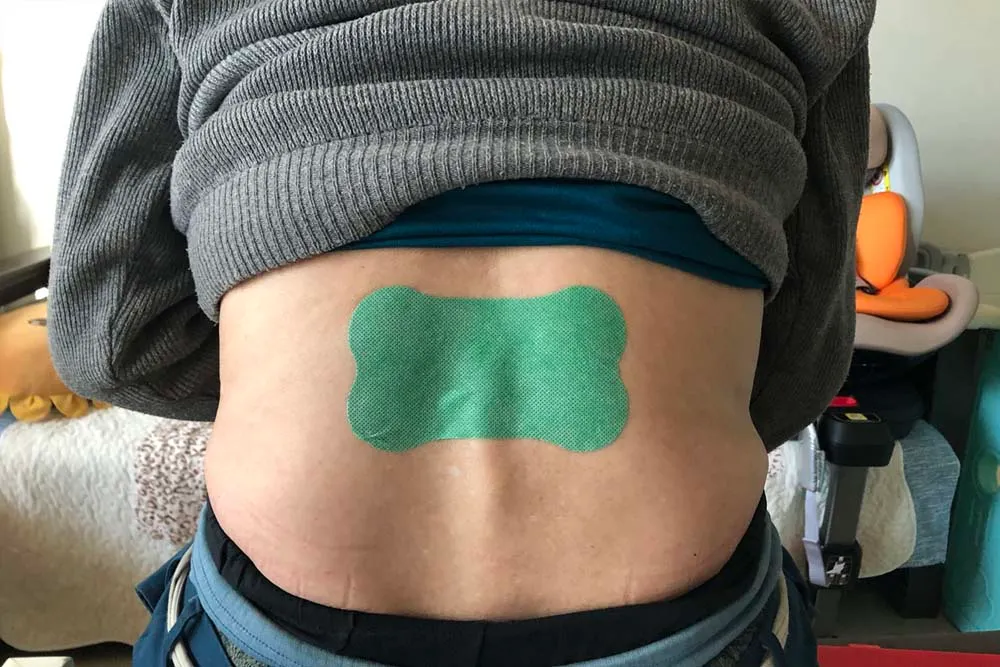
Based on our criteria — transparent herbal ingredients, targeted local relief, easy daily wear, and honest claims — these are the natural, drug-free patches we recommend:
- Mrjoint Back Pain Patches — herbal patches for everyday lower-back pain, lumbar stiffness, and muscle soreness, with up to 8 hours of drug-free relief per patch.
- Mrjoint 3x Strength Back Pain Relief Patches — a triple-concentration herbal formula built for severe, chronic, and sciatic back pain when standard patches aren't enough.
Still weighing patches against pills? Our breakdown of pain patches vs painkillers goes deeper on the trade-offs.
Frequently Asked Questions
Do natural back pain patches actually work?
For localized, inflammation-driven back pain, yes — many people get real relief. Herbal patches release plant-based actives into the tissue under the patch, and ingredients like wormwood and safflower have been studied for their anti-inflammatory effects. Results vary with the cause and severity of your pain, and most people notice relief within 30–90 minutes.
Are natural herbal patches better than lidocaine or OTC drug patches?
It depends on your goal. Herbal patches work locally without entering the bloodstream, which makes them well suited to daily, drug-free use. Lidocaine and other drug patches numb or chemically block pain and can help with acute flare-ups, but they carry dosage limits and the usual medication cautions.
Are back pain patches safe to use every day?
Natural herbal patches are generally safe for daily use because the ingredients act locally and aren't absorbed systemically. Apply one patch at a time, let your skin rest between applications, and consult a doctor if you plan to use any patch daily for an extended period.
How long does a back pain patch take to work, and how long does it last?
Most people feel something within 30–90 minutes. A single patch typically provides up to 8–12 hours of relief, and many people apply one before bed for overnight comfort.
Which patch is best for lower back pain versus severe or sciatic pain?
For everyday lower-back stiffness and mild-to-moderate soreness, a standard herbal patch is usually enough. For severe, chronic, or sciatic pain that radiates into the leg, a higher-concentration 3x-strength patch is the better fit.


